
Where to Visit Rwanda Genocide
Where to Visit Rwanda Genocide
Where to Visit in Rwanda to Understand the Genocide: A Comprehensive Guide
Introduction
Rwanda, a land of a thousand hills, is globally recognized today for its breathtaking landscapes, vibrant culture, and remarkable progress. However, beneath its serene beauty lies a painful history—the 1994 Genocide against the Tutsi, a tragedy that claimed over 800,000 lives in just 100 days. Understanding this dark chapter is essential for anyone seeking to grasp the resilience and transformation of this East African nation.
This article is a comprehensive guide for those who wish to visit Rwanda to learn about the genocide. It provides detailed insights into the most significant memorials, museums, and historical sites, while also offering context, travel tips, and ethical considerations. Whether you’re a historian, a student, or a traveler with a deep sense of empathy, this guide will help you navigate your journey with respect and understanding.
Why Visit Rwanda to Learn About the Genocide?
Visiting Rwanda to understand the genocide is not about dark tourism—it’s about remembrance, education, and honoring the lives lost. The country has made a conscious effort to preserve its history through well-curated memorials and educational centers that promote peace, unity, and reconciliation.
Key Reasons to Visit:
- Educational Value: Gain firsthand knowledge of the events, causes, and aftermath of the genocide.
- Commemoration: Pay tribute to the victims and support the preservation of memory.
- Inspiration: Witness Rwanda’s incredible journey of healing and reconstruction.
- Cultural Exchange: Engage with locals and understand how communities have rebuilt their lives.
Top Places to Visit in Rwanda to Understand the Genocide
1. Kigali Genocide Memorial
Located in Rwanda’s capital, the Kigali Genocide Memorial is the most prominent and accessible site for genocide education. It serves as the final resting place for over 250,000 victims and offers a deeply moving experience.
What to Expect:
- Permanent Exhibitions: Detailed accounts of the genocide, including photographs, videos, and personal testimonies.
- Children’s Room: A heartbreaking tribute to young victims.
- Gardens of Reflection: Peaceful spaces for contemplation and remembrance.
📝 Tip: Allocate at least 3 hours to fully experience the memorial. Audio guides are available in multiple languages.
2. Murambi Genocide Memorial Centre
Situated in the Southern Province, the Murambi Memorial is one of the most haunting sites. A former technical school turned massacre site, it now houses preserved remains and exhibits that convey the horror that unfolded.
Highlights:
- Mass Graves: Over 50,000 people were killed here.
- Preserved Bodies: Some remains are displayed to bear witness to the atrocities.
- Historical Context: Learn how the site was used as a trap for Tutsi civilians.
⚠️ Note: This site is emotionally intense. Prepare yourself mentally and emotionally before visiting.
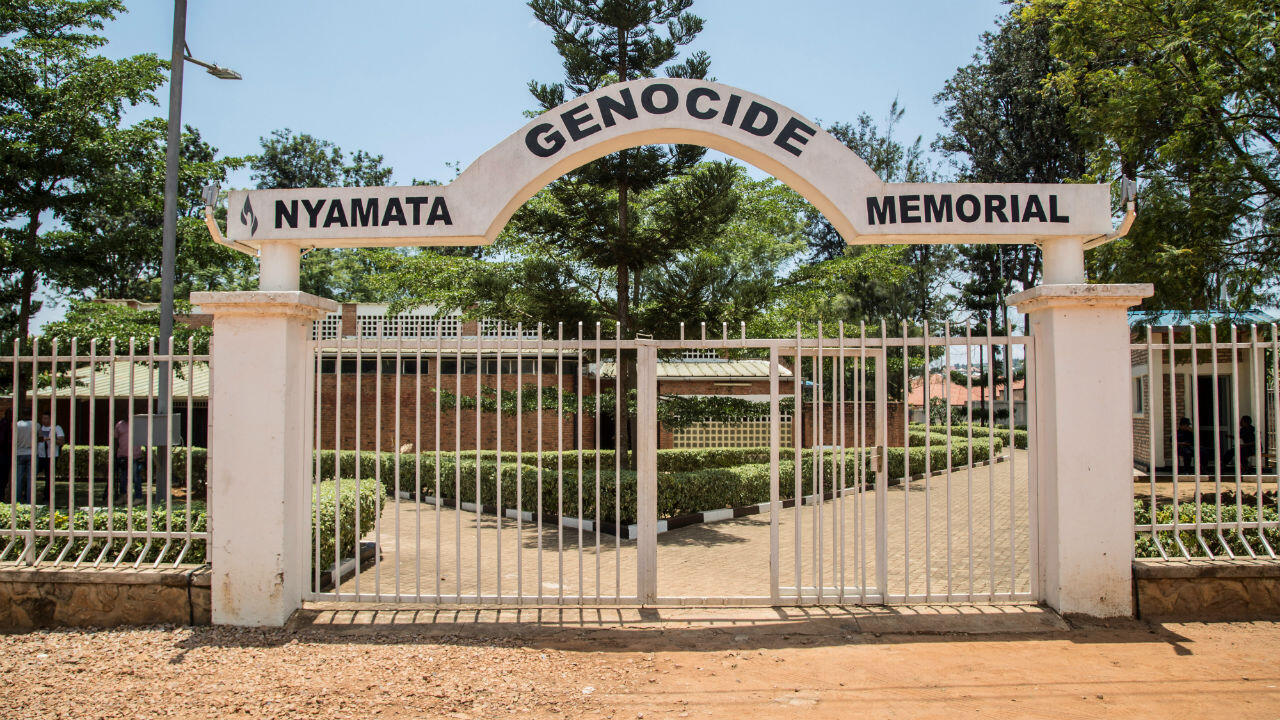
3. Nyamata Genocide Memorial
Located in Bugesera District, the Nyamata Church was the scene of a brutal massacre. Over 10,000 people were killed inside the church, which now serves as a memorial.
Key Features:
- Blood-Stained Clothing: Victims’ clothes are preserved on church benches.
- Bullet Holes and Grenade Damage: Visible signs of the violence.
- Underground Crypt: Holds the remains of thousands.
📍 Travel Tip: Nyamata is about 30 km from Kigali and can be visited as a day trip.
4. Ntarama Genocide Memorial
Just a short drive from Nyamata, Ntarama Church is another site where thousands sought refuge and were slaughtered.
What You’ll See:
- Personal Belongings: Items like schoolbooks, rosaries, and clothing.
- Bones and Skulls: Displayed respectfully to honor the dead.
- Narratives: Survivor stories that bring the history to life.
Ethical Tip: Always ask for permission before taking photos and show respect at all times.
5. Gisozi Genocide Memorial
Often confused with the Kigali Memorial, Gisozi is part of the same complex but refers specifically to the burial site and gardens.
Features:
- Mass Graves: Marked and maintained with dignity.
- Wall of Names: A growing list of known victims.
- Flame of Remembrance: Lit every April during the commemoration week.
Ethical Considerations When Visiting Genocide Sites
Visiting genocide memorials requires sensitivity and mindfulness. These are not tourist attractions—they are sacred spaces of mourning and memory.
Do’s:
- Dress modestly and respectfully.
- Speak in hushed tones.
- Take time to reflect and learn.
- Support local guides and institutions.
Don’ts:
- Avoid taking selfies or inappropriate photos.
- Don’t treat the visit as entertainment.
- Avoid insensitive questions or comments.
Rwanda Today: A Story of Reconciliation and Hope
Despite its tragic past, Rwanda has emerged as one of Africa’s most progressive nations. It has invested in reconciliation programs, community rebuilding, and economic development.
Key Achievements:
- Gacaca Courts: Community-based justice system for genocide crimes.
- Unity and Reconciliation Commission: Promotes healing and national unity.
- Economic Growth: Rwanda is now one of the fastest-growing economies in Africa.
- Tourism: Home to Volcanoes National Park and Lake Kivu.
How to Plan Your Visit
Best Time to Visit:
- April: Genocide commemoration month. Events are held nationwide.
- June to September: Dry season, ideal for travel and exploration.
Travel Tips:
- Visa: Most nationalities can obtain a visa on arrival or online.
- Transport: Use local tour operators or hire a private driver.
- Accommodation: Options range from budget hostels to luxury lodges.
- Language: English, French, and Kinyarwanda are widely spoken.
Recommended Tour Operators
The operator offer respectful, educational tours with knowledgeable guides.
Frequently Asked Questions (FAQ)
1. Is it safe to travel to Rwanda?
Yes, Rwanda is one of the safest countries in Africa. The government prioritizes security, and crime rates are low. Visitors are welcomed warmly by locals.
2. Can I visit genocide memorials independently?
Yes, most sites are accessible without a guide. However, hiring a local guide enhances the experience and supports the community.
3. How should I prepare emotionally for visiting these sites?
Reading survivor testimonies and watching documentaries can help you prepare. Be open to feeling a range of emotions, and take breaks if needed.
4. Are children allowed at the memorials?
Some memorials, like Kigali, have sections that may be too graphic for young children. It’s best to consult with staff beforehand.
5. What else can I do in Rwanda after visiting the memorials?
Rwanda offers incredible experiences like gorilla trekking, cultural village tours, and lake adventures. Balance your trip with both remembrance and celebration of life.
Conclusion
Visiting Rwanda to understand the genocide is a profound journey—one that educates, humbles, and inspires. The memorials and historical sites are not just reminders of the past but beacons of hope for the future. As you walk through these sacred grounds, you bear witness to the resilience of a nation that chose unity over division, peace over vengeance, and healing over hatred.
Let your visit be a tribute to the lives lost and a commitment to never forget.