
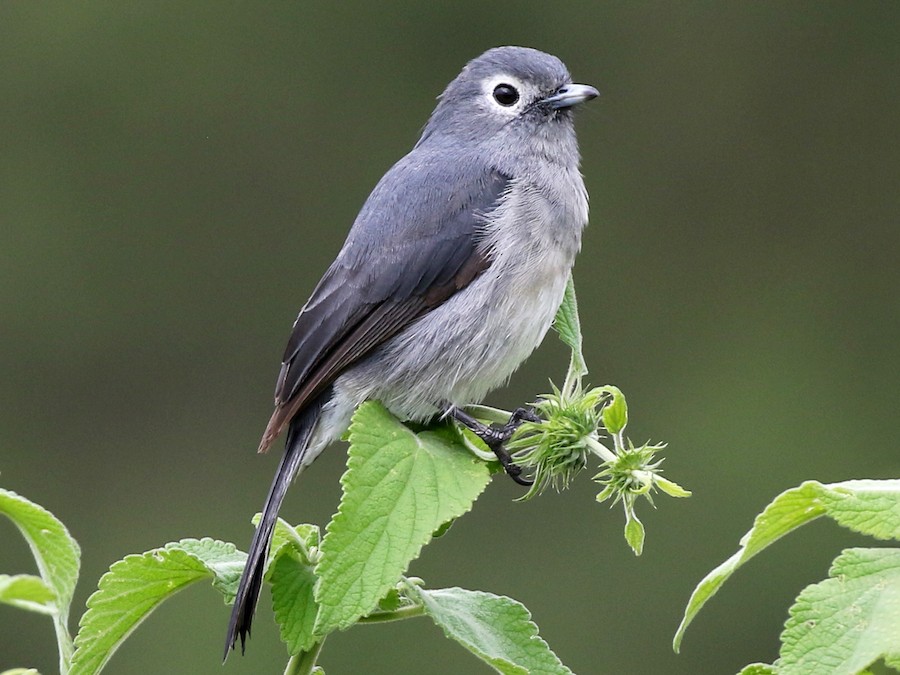
White-eyed Slaty Flycatcher
White-eyed Slaty Flycatcher
The White-eyed Slaty Flycatcher: A Complete Guide to the Elusive African Songbird
Introduction
The White-eyed Slaty Flycatcher (Melaenornis fischeri) is a captivating species of passerine bird native to the highland forests and woodlands of East Africa. Known for its distinctive pale eyes and dusky plumage, this bird is more than just a visual marvel—it plays a vital role in the ecosystem and offers fascinating insights into avian behavior, adaptation, and biodiversity.
In this in-depth article, we’ll explore the habitat, behavior, taxonomy, and conservation status of the White-eyed Slaty Flycatcher. We’ll also delve into its ecological significance, offer birdwatching tips, and provide a detailed FAQ section. Whether you’re a seasoned ornithologist or a curious nature enthusiast, this guide will enrich your understanding of one of Africa’s most intriguing birds.
Taxonomy and Classification
The White-eyed Slaty Flycatcher belongs to the family Muscicapidae, commonly known as the Old World flycatchers. This family comprises small insectivorous birds found across Europe, Asia, and Africa.
Scientific Classification
- Kingdom: Animalia
- Phylum: Chordata
- Class: Aves
- Order: Passeriformes
- Family: Muscicapidae
- Genus: Melaenornis
- Species: M. fischeri
The species was first described by Reichenow in 1884 and is named in honor of the German explorer Gustav Fischer.
Physical Description
The White-eyed Slaty Flycatcher is a medium-sized bird, measuring approximately 15–17 cm in length. Its most distinguishing feature is its striking white eyes, which contrast sharply with its slaty-gray plumage.
Key Features
- Plumage: Uniformly slaty-gray, with slightly darker wings and tail.
- Eyes: Pale white or silvery, giving the bird a ghostly, alert appearance.
- Bill: Short, black, and slightly hooked—ideal for catching insects mid-flight.
- Sexual Dimorphism: Minimal; males and females appear very similar.
This subtle yet elegant coloration provides excellent camouflage in the shaded understory of montane forests.
Geographic Distribution
The White-eyed Slaty Flycatcher is native to the highlands of East Africa, where it inhabits montane forests, forest edges, and wooded gardens.
Countries of Presence
It is particularly common in the Aberdare Range, Mount Kenya, and the Rwenzori Mountains.
Habitat and Ecology
This flycatcher thrives in high-altitude forests between 1,500 and 3,000 meters above sea level. It prefers dense, moist woodlands but is also found in secondary growth and cultivated areas with sufficient tree cover.
Preferred Habitats
- Montane forests
- Bamboo zones
- Forest edges
- Coffee plantations
- Garden woodlands
Its adaptability to semi-disturbed habitats makes it a resilient species in the face of moderate environmental change.
Behavior and Diet
The White-eyed Slaty Flycatcher is an insectivorous bird that employs a classic flycatching technique—darting from a perch to snatch insects in mid-air.
Feeding Habits
- Diet: Flies, beetles, moths, ants, spiders, and other small arthropods.
- Foraging Style: Sits quietly on a low perch, then launches into short flights to capture prey.
- Occasional Ground Foraging: Will pick insects from the ground or foliage.
Social Behavior
- Territorial: Often seen alone or in pairs.
- Vocalizations: Emits a series of soft whistles and chattering calls, especially during the breeding season.
- Breeding: Builds cup-shaped nests in tree forks or dense shrubs. Both parents participate in feeding the chicks.
Reproduction and Life Cycle
Breeding typically occurs during the rainy season when insect populations are abundant. The female constructs the nest using twigs, moss, and feathers, often camouflaged with lichen.
Breeding Details
- Clutch Size: 2–3 eggs
- Incubation Period: Approximately 14 days
- Fledging Time: Around 18–21 days post-hatching
- Parental Care: Both sexes feed the young
The species is monogamous during the breeding season, with strong pair bonds observed.
Conservation Status
According to the IUCN Red List, the White-eyed Slaty Flycatcher is classified as Least Concern. However, habitat degradation poses a long-term threat to its population stability.
Threats
- Deforestation for agriculture
- Logging and charcoal production
- Urban expansion
- Climate change affecting montane ecosystems
Conservation Measures
- Protected areas like Aberdare National Park and Bwindi Impenetrable Forest
- Community-based forest management
- Ecotourism initiatives promoting bird conservation
Importance in the Ecosystem
This flycatcher plays a crucial role in controlling insect populations, thus maintaining ecological balance. It also serves as an indicator species for the health of montane forest ecosystems.
Ecological Contributions
- Pest Control: Reduces populations of crop-damaging insects.
- Seed Dispersal: Occasionally consumes small fruits, aiding in forest regeneration.
- Biodiversity Indicator: Presence signals a healthy, undisturbed habitat.
Birdwatching Tips
Spotting the White-eyed Slaty Flycatcher requires patience and a keen eye, especially in dense forest habitats.
Best Practices
- Time of Day: Early morning or late afternoon
- Equipment: Binoculars with good low-light performance
- Locations: Forest edges, shaded trails, and near water sources
- Behavioral Clues: Watch for short, darting flights from low perches
Recommended Birding Spots
Cultural and Scientific Significance
While not as famous as some African birds, the White-eyed Slaty Flycatcher has captured the attention of ornithologists for its unique adaptations and vocalizations.
Research Highlights
- Studies on vocal mimicry and call variation
- Genetic analysis within the Melaenornis genus
- Role in mixed-species feeding flocks
Similar Species
Several other flycatchers share overlapping ranges and similar appearances, but the White-eyed Slaty Flycatcher can be distinguished by its pale eyes and uniform coloration.
Look-Alikes
- Northern Black Flycatcher (Melaenornis edolioides): Darker plumage, dark eyes
- Dusky Flycatcher (Muscicapa adusta): Smaller, with more brownish tones
- African Grey Flycatcher (Bradornis microrhynchus): Paler with a more upright posture
How to Help Conserve the Species
You can contribute to the conservation of the White-eyed Slaty Flycatcher and its habitat in several meaningful ways.
Actionable Steps
- Support organizations like BirdLife International
- Participate in citizen science projects such as eBird
- Promote sustainable tourism in East Africa
- Advocate for forest protection policies
Frequently Asked Questions (FAQ)
1. Where can I see the White-eyed Slaty Flycatcher in the wild?
You can spot this bird in highland forests across Kenya, Uganda, Rwanda, and Tanzania. Top locations include Mount Kenya National Park and Bwindi Impenetrable Forest.
2. What does the White-eyed Slaty Flycatcher eat?
It primarily feeds on insects such as flies, beetles, and moths, which it catches in mid-air using agile flight techniques.
3. Is the White-eyed Slaty Flycatcher endangered?
No, it is currently listed as Least Concern by the IUCN, but habitat destruction could pose future threats.
4. How can I distinguish it from similar species?
Look for its white eyes, uniform slaty-gray plumage, and short, hooked bill. These features set it apart from other flycatchers in the region.
5. What role does it play in the ecosystem?
It helps control insect populations and may contribute to seed dispersal, making it an important part of forest ecology.
Conclusion
The White-eyed Slaty Flycatcher is a subtle yet striking bird that embodies the richness of East Africa’s avian diversity. From its ghostly gaze to its agile hunting skills, it offers a fascinating glimpse into the world of montane forest birds. Understanding and protecting this species not only preserves a unique creature but also safeguards the intricate ecosystems it inhabits.
Whether you’re planning a birdwatching trip to the African highlands or simply expanding your ornithological knowledge, the White-eyed Slaty Flycatcher is a species worth knowing—and protecting.