
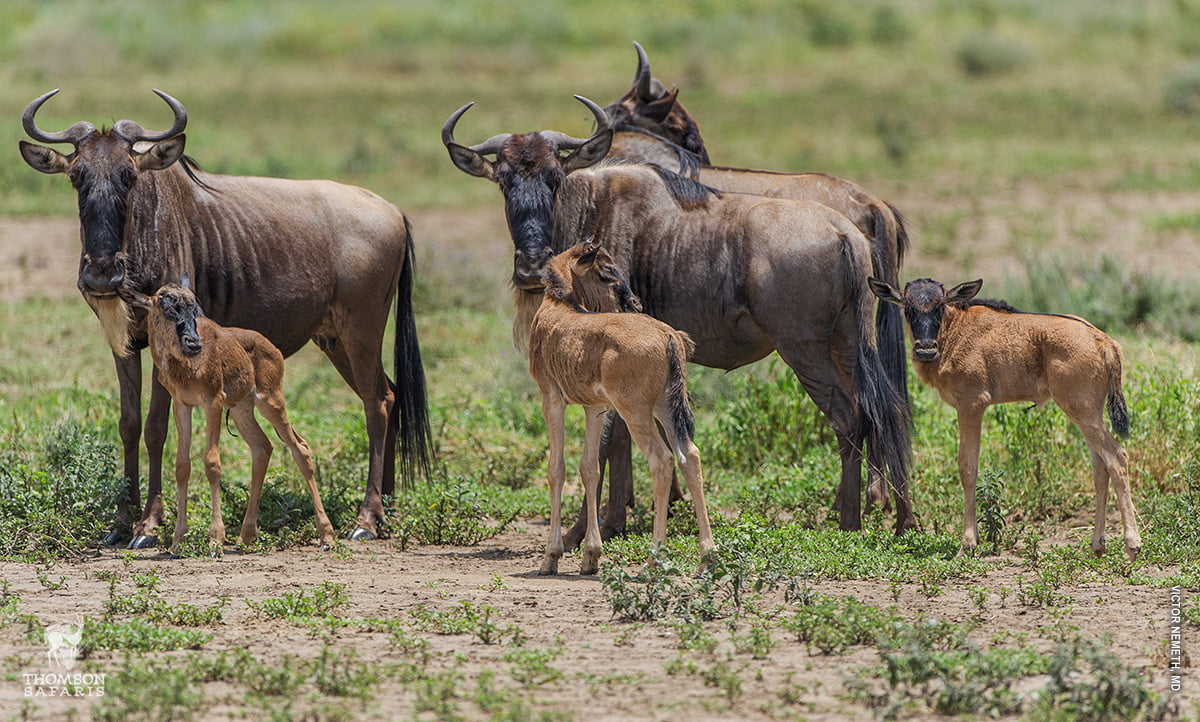
Wildebeest Calving Season
Wildebeest Calving Season
The Fascinating Wildebeest Calving Season: A Natural Wonder
The wildebeest calving season is one of the most awe-inspiring events in the animal kingdom. This article dives deep into the intricacies of this natural phenomenon, exploring the timing, significance, and survival strategies involved. We will also discuss the broader ecological impact of this event and its role in the famous Great Migration.
What is the Wildebeest Calving Season?
Wildebeest (also known as gnus) are large herbivores native to Africa, particularly in the Serengeti and Maasai Mara ecosystems. The calving season refers to the period when female wildebeests give birth to their young, typically occurring between January and March. This event is synchronized across the population, with around 500,000 calves born within a span of just a few weeks.
Timing and Location
The wildebeest calving season typically takes place in the southern Serengeti, particularly in the Ndutu region, where the lush grasslands provide an ideal environment for birthing and nurturing the young. The timing is crucial, as it coincides with the rainy season, ensuring that the plains are rich in nutrients and water, which is vital for both the mothers and their newborns.
Why Do Wildebeest Calve in Such Large Numbers?
One of the most remarkable aspects of the wildebeest calving season is the sheer number of calves born in such a short time. This phenomenon, known as “predator swamping,” is a survival strategy. By overwhelming predators with a sudden influx of potential prey, the chances of any individual calf being caught are reduced. Predators such as lions, hyenas, and cheetahs are present in large numbers during this time, but they can only catch so many calves, allowing the majority to survive.
The Calving Process
Wildebeest calves are born after a gestation period of about eight months. Remarkably, they are able to stand and walk within minutes of birth, and within a few days, they can run fast enough to keep up with the herd. This rapid development is crucial for their survival, as the herds are constantly on the move, and any calf that cannot keep up is left vulnerable to predators.
Maternal Care and Bonding
Female wildebeests are highly attentive mothers. They remain close to their calves, ensuring that they are well-fed and protected. The bond between mother and calf is strong, and the mother will fiercely defend her young from predators. However, the sheer number of calves born during the calving season means that some inevitably fall prey to predators, despite the best efforts of their mothers.
The Role of Calving in the Great Migration
The wildebeest calving season is a critical part of the Great Migration, one of the most famous wildlife spectacles on Earth. The migration is a continuous cycle of movement, as wildebeests, along with zebras and gazelles, follow the rains in search of fresh grazing grounds. The calving season marks the beginning of this journey, as the herds gather in the southern Serengeti to give birth before embarking on their long trek northward.
Nutrient-Rich Grasslands
The southern Serengeti is particularly attractive to wildebeests during the calving season due to its nutrient-rich grasslands. The volcanic soil in this region, combined with the seasonal rains, creates an abundance of high-quality grass, which is essential for lactating mothers. The availability of food ensures that the calves grow quickly and have the energy needed to keep up with the migrating herd.
Predators and the Circle of Life
While the wildebeest calving season is a time of new life, it is also a time of intense predation. Lions, hyenas, cheetahs, and other predators take advantage of the abundance of vulnerable calves. However, this predation is a natural part of the ecosystem, helping to maintain the balance between predator and prey populations. The wildebeest herds are resilient, and despite the losses, the majority of calves survive to continue the migration.
Ecological Significance of the Wildebeest Calving Season
The wildebeest calving season has a profound impact on the Serengeti ecosystem. The large number of calves born during this time provides a crucial food source for predators, helping to sustain their populations. In turn, the presence of predators helps to keep the wildebeest population in check, preventing overgrazing and ensuring the long-term health of the grasslands.
Impact on Other Species
The wildebeest calving season also benefits other species in the ecosystem. For example, scavengers such as vultures and jackals rely on the remains of predator kills for food. Additionally, the movement of the wildebeest herds helps to fertilize the soil, promoting the growth of new vegetation that supports a wide variety of herbivores.
The Importance of Conservation
The wildebeest calving season is a vital part of the Serengeti ecosystem, and its preservation is essential for the health of the entire region. Unfortunately, human activities such as poaching, habitat destruction, and climate change pose significant threats to this delicate balance. Conservation efforts are crucial to ensure that future generations can continue to witness this incredible natural event.
Frequently Asked Questions (FAQ)
1. When is the wildebeest calving season?
The wildebeest calving season typically occurs between January and March, during the rainy season in the southern Serengeti.
2. Why do wildebeests give birth in such large numbers?
Wildebeests give birth in large numbers as a survival strategy known as “predator swamping.” By overwhelming predators with a sudden influx of calves, the chances of any individual calf being caught are reduced.
3. How long does it take for a wildebeest calf to walk after birth?
Wildebeest calves can stand and walk within minutes of birth, and they are able to run fast enough to keep up with the herd within a few days.
4. What role does the wildebeest calving season play in the Great Migration?
The wildebeest calving season marks the beginning of the Great Migration. After giving birth in the southern Serengeti, the herds begin their long journey northward in search of fresh grazing grounds.
5. How do predators affect the wildebeest calving season?
Predators such as lions, hyenas, and cheetahs take advantage of the abundance of vulnerable calves during the calving season. However, this predation is a natural part of the ecosystem and helps to maintain the balance between predator and prey populations.
Conclusion
The wildebeest calving season is a remarkable event that plays a crucial role in the Serengeti ecosystem. From the synchronized births to the dramatic predator-prey interactions, this natural spectacle is a testament to the resilience and adaptability of wildlife. As we continue to face environmental challenges, it is more important than ever to protect and preserve this incredible phenomenon for future generations.