
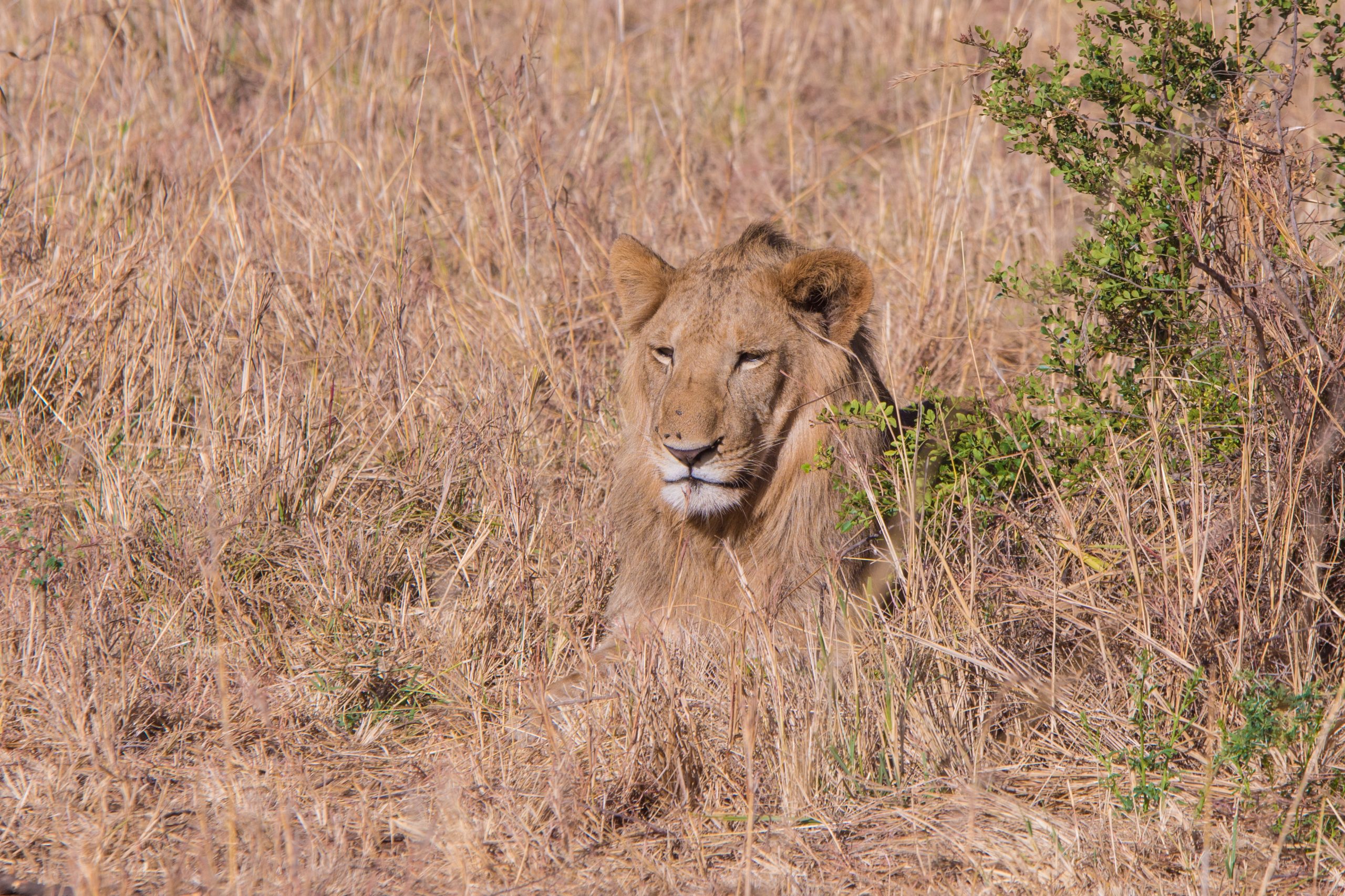
Wildlife Policy
Wildlife Policy
The Ultimate Guide to Wildlife Policy: Strategies, Challenges, and Global Impact — With Focus on Uganda and Rwanda
Introduction
In the heart of Africa, two nations—Uganda and Rwanda—stand as beacons of biodiversity and conservation innovation. As the world grapples with the twin crises of climate change and biodiversity loss, the role of wildlife policy becomes ever more critical. These policies not only safeguard endangered species but also promote sustainable development, eco-tourism, and community empowerment.
This comprehensive guide explores the global landscape of wildlife policy, with a special focus on Uganda and Rwanda—two countries that have turned conservation into a national priority and a global model.
What Is Wildlife Policy?
Wildlife policy encompasses the legal, institutional, and strategic frameworks that govern the protection, management, and sustainable use of wildlife resources. It is a multidimensional approach that combines environmental science, law, economics, and community engagement.
Core Objectives
- Biodiversity conservation
- Sustainable natural resource use
- Habitat preservation
- Conflict mitigation
- Climate resilience
The Role of Uganda and Rwanda in African Wildlife Policy
Uganda: The Pearl of Africa’s Conservation Legacy
Uganda is home to over 50% of the world’s remaining mountain gorillas and boasts 10 national parks and 12 wildlife reserves. The country’s Uganda Wildlife Authority (UWA) plays a pivotal role in implementing conservation laws and managing protected areas.
Key Wildlife Policies in Uganda
- Uganda Wildlife Act (2019): Strengthened penalties for poaching and illegal trade.
- National Biodiversity Strategy and Action Plan (NBSAP): Aligns with the Convention on Biological Diversity (CBD).
- Community Wildlife Conservation Areas (CWCAs): Promote local stewardship and benefit-sharing.
Success Stories
- Bwindi Impenetrable National Park: A UNESCO World Heritage Site and a global model for gorilla conservation.
- Queen Elizabeth National Park: Known for its tree-climbing lions and diverse ecosystems.
Rwanda: A Rising Star in Conservation
Despite its small size, Rwanda has emerged as a global leader in conservation. The country’s Rwanda Development Board (RDB) oversees wildlife management and eco-tourism, integrating conservation into the national development agenda.
Key Wildlife Policies in Rwanda
- National Environment and Climate Change Policy (2019): Integrates wildlife conservation with climate adaptation.
- Rwanda Biodiversity Policy (2021): Focuses on ecosystem restoration and species protection.
- Tourism Revenue Sharing Scheme: Channels 10% of park revenues to local communities.
Success Stories
- Volcanoes National Park: Home to endangered mountain gorillas and a cornerstone of Rwanda’s eco-tourism.
- Akagera National Park: Once devastated by conflict, now restored and rewilded with the Big Five.
Global Wildlife Policy Frameworks
Wildlife policies in Uganda and Rwanda are deeply influenced by international agreements and conventions.
Convention on Biological Diversity (CBD)
Both countries are signatories to the CBD, aligning their national strategies with global biodiversity goals.
CITES
Uganda and Rwanda actively participate in the Convention on International Trade in Endangered Species, regulating the trade of flora and fauna.
Ramsar Convention
Wetlands like Uganda’s Lake George and Rwanda’s Rugezi Marsh are protected under the Ramsar Convention.
CMS
The Convention on Migratory Species supports transboundary conservation efforts, particularly for migratory birds and large mammals.
Challenges in Uganda and Rwanda’s Wildlife Policy
1. Poaching and Illegal Wildlife Trade
Despite strict laws, both countries face challenges in curbing poaching, particularly of elephants and pangolins.
2. Human-Wildlife Conflict
In areas bordering parks, wildlife sometimes damages crops or threatens livestock, leading to tensions with local communities.
3. Climate Change
Changing rainfall patterns and rising temperatures affect habitats and food availability, especially in montane ecosystems.
4. Population Pressure
High population densities in both countries put pressure on land and natural resources, leading to habitat fragmentation.
Innovative Approaches in Uganda and Rwanda
Community-Based Conservation
Both nations have embraced community conservation models:
- Uganda: Community Wildlife Associations (CWAs) manage buffer zones and benefit from tourism.
- Rwanda: Revenue-sharing schemes fund schools, clinics, and infrastructure in park-adjacent communities.
Eco-Tourism as a Conservation Tool
- Gorilla trekking in Bwindi and Volcanoes National Park generates millions in revenue and funds conservation efforts.
- Luxury eco-lodges promote sustainable tourism while minimizing environmental impact.
Technology in Conservation
- Drones and camera traps monitor wildlife and deter poachers.
- GIS mapping helps in habitat planning and corridor creation.
- Mobile apps allow rangers to report incidents in real-time.
Case Studies: Conservation Success in Uganda and Rwanda
Bwindi Impenetrable Forest (Uganda)
- Home to over 400 mountain gorillas.
- Integrated conservation and development programs (ICDPs) empower local communities.
Akagera National Park (Rwanda)
- Reintroduced lions and black rhinos after decades of absence.
- Managed through a public-private partnership with African Parks.
Nyungwe Forest National Park (Rwanda)
- One of Africa’s oldest rainforests, rich in biodiversity.
- Key to Rwanda’s water security and carbon sequestration efforts.
Policy Recommendations for Uganda and Rwanda
Strengthen Law Enforcement
- Increase funding for ranger training and equipment.
- Enhance cross-border cooperation to combat wildlife trafficking.
Expand Protected Areas
- Establish ecological corridors to connect fragmented habitats.
- Promote reforestation and ecosystem restoration.
Increase Community Participation
- Empower women and youth in conservation programs.
- Enhance benefit-sharing mechanisms to reduce conflict.
Integrate Climate Resilience
- Develop wildlife corridors that account for climate migration.
- Monitor climate impacts on keystone species.
Uganda and Rwanda Wildlife Highlights
Top National Parks in Uganda
Top National Parks in Rwanda
Key Wildlife Species
- Mountain gorilla
- African elephant
- Golden monkey
- Shoebill stork
- Black rhinoceros
Frequently Asked Questions (FAQ)
1. How do Uganda and Rwanda fund their wildlife conservation efforts?
Both countries rely on a mix of government funding, international aid, and tourism revenue. Rwanda’s Revenue Sharing Scheme and Uganda’s gorilla permit system are notable examples.
2. What makes Uganda and Rwanda unique in wildlife conservation?
Their commitment to community-based conservation, political will, and integration of eco-tourism into national development plans set them apart.
3. Can tourists contribute to wildlife conservation in these countries?
Absolutely. By visiting national parks and choosing eco-friendly lodges, tourists directly support conservation and community development.
4. What are the biggest threats to wildlife in Uganda and Rwanda?
Key threats include poaching, habitat loss, human-wildlife conflict, and climate change.
5. How are local communities involved in conservation?
Through benefit-sharing, employment in tourism, and participation in decision-making bodies like Wildlife Committees and Community Associations.
Conclusion
Uganda and Rwanda exemplify how visionary wildlife policy can transform conservation challenges into opportunities for sustainable development. Their models—rooted in science, community, and innovation—offer valuable lessons for the rest of the world. As biodiversity continues to decline globally, the success stories of these two nations shine as a testament to what is possible when nature is prioritized, and people are empowered.