
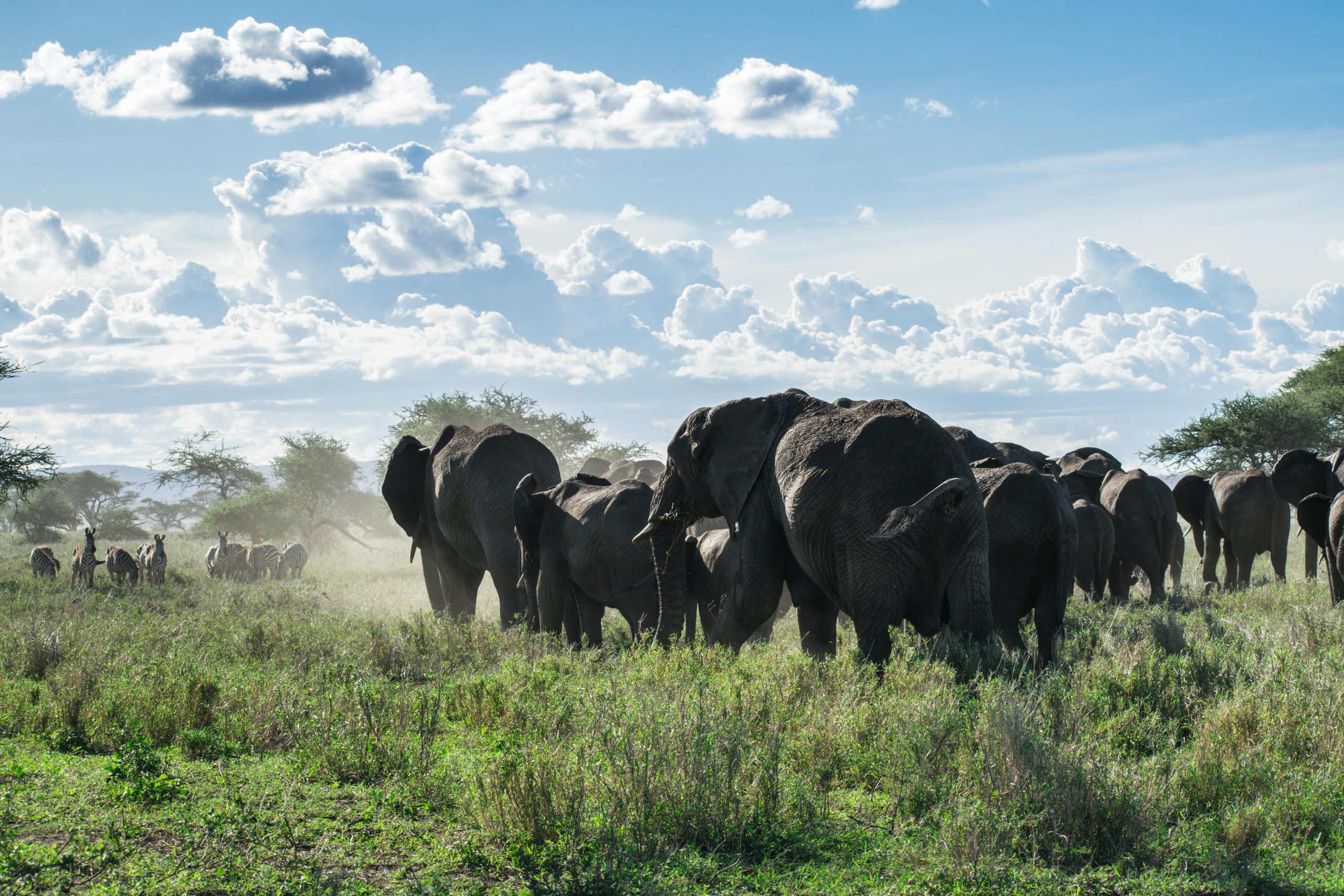
Wildlife Safaris in Kenya
Wildlife Safaris in Kenya
Wildlife Safaris in Kenya: Big Five Encounters, Great Migration Drama & The Wild North with Turkana Wildlife Safaris
Kenya is a safari classic for a reason: few places on Earth combine such dense wildlife viewing, cinematic landscapes, and a deep bench of experienced guides. From the golden savannahs of the Maasai Mara to the elephant corridors of Amboseli under Kilimanjaro’s skyline, wildlife safaris in Kenya can be tailored to almost any travel style honeymooners chasing leopard sightings at dawn, photographers waiting out lion prides in perfect light, families seeking easy game drives, and seasoned adventurers heading north into remote, less-visited wilderness.
This guide maps the major safari regions, explains how to choose the right itinerary, and highlights ways to go beyond the obvious especially by exploring Kenya’s northern frontier with operators such as Turkana Wildlife Safaris.
Why Kenya is One of Africa’s Best Safari Destinations
Kenya offers a rare mix of accessibility and authenticity. Major parks have solid infrastructure, while vast areas remain wonderfully wild. That range makes it possible to build trips that are comfortable, adventurous, or a bit of both.
What makes Kenya stand out
- Iconic wildlife density in well-known reserves (excellent for first-timers)
- The Great Migration (seasonal, but life-changing when timed right)
- Diverse ecosystems: savannah, acacia woodland, mountains, wetlands, deserts
- Culture-rich travel: Maa, Samburu, Turkana and other communities
- Flexible safari styles: game drives, walking safaris, fly-in, mobile camps
Kenya’s Top Safari Regions (And What They’re Best For)
Maasai Mara National Reserve: The Headliner
If you’re picturing Kenya cheetahs on open plains, lions on termite mounds, wildebeest massing at a river, this is likely the Mara.
Best for:
- Big cats (lion, leopard, cheetah)
- The Great Migration (typically July–October, timing varies)
- Classic “postcard” game drives
Safari tip: Consider adding a conservancy adjacent to the reserve. Conservancies often allow night drives, guided walks, and fewer vehicles at sightings.
Amboseli National Park: Elephants + Kilimanjaro
Amboseli is famous for its large-tusked elephants and jaw-dropping scenery when Kilimanjaro appears from the clouds.
Best for:
- Elephant herds and close viewing
- Landscape photography (especially morning)
Safari tip: In dry months, wildlife concentrates around water sources excellent viewing but dustier conditions.
Tsavo East & Tsavo West: Vast, Rugged, Underappreciated
Tsavo is enormous and feels more raw and expansive than some “busier” parks. Expect dramatic terrain and a real sense of journey.
Best for:
- A wilder, road-trip-style safari
- Big landscapes and fewer crowds
- Combining safari with the coast (Mombasa/Diani)
Samburu, Buffalo Springs & Shaba: The Northern Specialties
Northern Kenya has a distinct feel—semi-arid beauty, riverine forests, and species you’re less likely to see in the south.
Best for:
- “Samburu Special Five”: Grevy’s zebra, reticulated giraffe, Somali ostrich, beisa oryx, gerenuk
- Cultural experiences
- More exclusive sightings
Lake Nakuru & Rift Valley Lakes: Birds + Rhinos
Rift Valley parks add variety to a Kenya circuit: flamingos (seasonal), pelicans, and excellent rhino viewing.
Best for:
- Rhino (both black and white in some areas)
- Birding and scenic viewpoints
Laikipia Plateau: Private Conservancies + Conservation-Forward Safaris
Laikipia is a strong choice for travelers who want low-density tourism, high-quality guiding, and activities beyond vehicle game drives.
Best for:
- Walking safaris, night drives, tracking experiences
- Conservation-focused trips
- Often excellent predator viewing
The Wild North: Why Turkana Should Be On Your Radar
For travelers who’ve “done the Mara” or who want something more frontier-like, Kenya’s far north offers a different kind of magic: remote open spaces, stark volcanic forms, and cultural depth that feels truly off-the-beaten-path.
What makes Northern Kenya feel different
- Fewer vehicles, fewer “traffic jams” at sightings
- Expedition atmosphere: long horizons, big skies, raw terrain
- Culture is not a “side activity”—it’s part of the landscape and story
- Wildlife is there, but the experience is as much about wilderness as it is about checklists
Choosing the Right Safari Style in Kenya
1) Classic lodge safari (comfortable + efficient)
Ideal for first-time safari-goers and families. Typically includes daily game drives and full-board meals.
2) Tented camp safari (immersive + atmospheric)
Canvas walls, lantern-lit dinners, and the soundtrack of the bush at night—often the best blend of comfort and “being out there.”
3) Mobile safari (adventure + flexibility)
You move camp as the journey unfolds. Great for photographers and travelers seeking a deeper wilderness rhythm.
4) Fly-in safari (time-saving + scenic)
Perfect if you want to maximize time in top habitats without long drives.
5) Combination safari: wildlife + culture + landscape
A growing favorite: pair prime game reserves with northern communities, lakes, and geological wonders.
What Animals Can You See on Wildlife Safaris in Kenya?
Kenya is famous for the Big Five, but it’s the smaller moments that often steal the show jackals at dusk, secretary birds stalking the grass, a lilac-breasted roller flashing color like a jewel.
Big Five (often possible on a strong circuit)
- Lion
- Leopard
- Elephant
- Buffalo
- Rhinoceros (best odds in specific parks/conservancies)
Other safari highlights
- Cheetah (excellent in open plains like the Mara)
- Giraffes (Masai and reticulated in different regions)
- Hippos and crocodiles (notably in river systems)
- Zebra varieties (including Grevy’s in the north)
- A world-class bird list across lakes and savannahs
Best Time to Go on a Kenya Safari (Season-by-Season)
Kenya is a year-round safari destination, but the “best” time depends on what you want most: migration, photography light, fewer crowds, greener landscapes, or maximum wildlife concentration.
Dry season (generally June–October; also Jan–Feb)
- Wildlife concentrates around water
- Roads are easier
- Higher chance of clear Kilimanjaro views in Amboseli
- Often busier and pricier in peak months
Green season (generally March–May; Nov–Dec varies)
- Lush landscapes, dramatic skies
- Fewer visitors, sometimes better deals
- Excellent birding and newborn animals
- Some areas can be muddy (depends on rainfall)
How Many Days Do You Need?
A safari can be meaningful in 3–4 days, but Kenya really opens up with time.
Practical planning ranges:
- 3–4 days: One flagship area (e.g., Mara or Amboseli)
- 6–8 days: Two regions + better pacing
- 9–12 days: Classic circuit + a northern extension
- 12–16 days: Deep Kenya: multiple ecosystems + cultural immersion
Sample Itinerary Ideas (Mix and Match)
Itinerary A: “Kenya First-Timer Classic” (7–8 days)
- Nairobi (brief)
- Maasai Mara (3 nights)
- Lake Nakuru / Naivasha (1–2 nights)
- Amboseli (2 nights)
Itinerary B: “Big Cats + The North” (9–11 days)
- Maasai Mara (3 nights)
- Laikipia (2–3 nights)
- Samburu region (3 nights)
Itinerary C: “Northern Frontier Expedition” (10–14 days)
- Samburu / Buffalo Springs
- Remote northern landscapes
- Cultural-focused stops
- Optional lakes and volcanic scenery
Safari Planning Tips That Improve the Experience
- Prioritize guide quality over hotel star ratings; a great guide changes everything.
- Don’t over-pack parks: too many one-night stops = more driving, less wildlife.
- Ask about vehicle rules (window seats, pop-up roof, charging ports, fridge, etc.).
- Build in rest: the early mornings add up, especially on longer itineraries.
- Choose the right camera rhythm: sometimes the best photos come from waiting, not chasing.
FAQ: Wildlife Safaris in Kenya
1) Are Kenya safaris good for first-time safari travelers?
Yes. Kenya has strong infrastructure, excellent guiding, and a variety of parks that suit different comfort levels.
2) When is the Great Migration in Kenya?
Often July–October in the Maasai Mara, but timing varies year to year based on rains and grass.
3) Can I see the Big Five in Kenya?
Yes, especially with a smart itinerary (Mara + a strong rhino area such as Nakuru/Laikipia conservancies). Leopards and rhinos can require patience and the right locations.
4) Is northern Kenya worth it compared to the Mara?
If you want fewer crowds, distinct species (like Grevy’s zebra), and a more expedition-style journey, the north can be one of Kenya’s most rewarding regions.
5) How many days should I plan for a Kenya safari?
A minimum of 4–5 days is workable; 7–10 days is ideal for variety and a relaxed pace.