
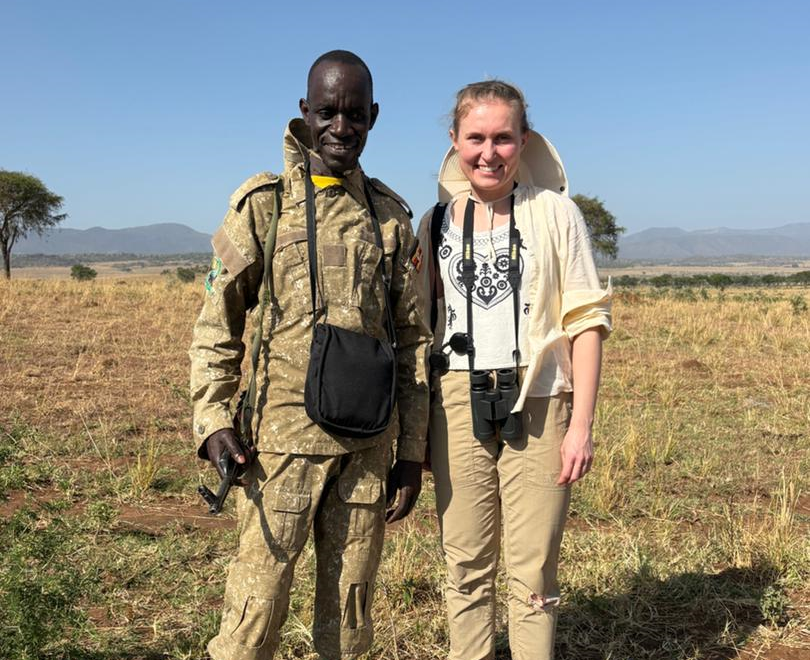
Women Solo Travelers in Uganda
Women Solo Travelers in Uganda
Women Solo Travelers in Uganda: The Complete Guide to Safety, Culture, Wildlife, and Meaningful Adventure
Uganda has a quiet way of changing solo travelers especially women who arrive with curiosity, a touch of caution, and a hunger for authentic connection. Known as the “Pearl of Africa,” the country blends lush landscapes, vibrant cities, and some of the most extraordinary wildlife encounters on the planet. Yet what makes Uganda uniquely powerful for women traveling alone isn’t only the iconic gorillas or legendary Nile; it’s the warmth of daily interactions, the cultural depth, and the feeling that adventure here still has room to be personal.
This guide is designed to help women solo travelers navigate Uganda with confidence: from practical safety strategies to smart itinerary planning, transport realities, accommodation choices, cultural etiquette, and curated wildlife experiences.
Why Uganda Works So Well for Women Traveling Solo
Solo travel thrives when three things align: access, welcoming culture, and meaningful experiences. Uganda offers all three in a way that feels sincere rather than manufactured.
A country of “hellos” that don’t feel transactional
In many places, friendliness can feel like a sales pitch. In Uganda, it often feels like curiosity. You’ll be greeted, asked where you’re from, and given advice you didn’t even request.
Variety without constant long-haul logistics
In one journey you can experience:
- Rainforests and primate tracking
- Savanna safaris with lions and elephants
- Lake islands and river adventures
- Mountain hikes and crater lakes
- Craft markets, food scenes, and cultural sites
This diversity means you can build a rich itinerary without needing to cross multiple countries.
Uganda’s wildlife is world-class (and still feels wild)
Uganda’s tourism is developed enough to be accessible, yet not so saturated that it feels like a theme park. For those prioritizing nature and conservation, it’s a deeply rewarding destination especially with a trusted operator. Consider browsing local safari support through Turkana Wildlife Safaris for planning and route guidance.
Safety for Women Solo Travelers in Uganda
Uganda can be safe for solo women travelers with the right decisions and situational awareness. Like anywhere, risk isn’t “yes/no”—it’s about where you go, how you move, and what boundaries you keep.
The safety mindset that works best
Think in layers:
- Pre-trip planning (operator, route, accommodation)
- Street-level awareness (especially in busy towns)
- Transport discipline (avoiding risky late-night options)
- Social boundaries (polite but firm)
Common safety concerns (and what to do)
1) Street harassment
- Usually verbal, sometimes persistent but rarely violent in tourist areas.
- Best approach: ignore + keep walking, avoid escalating.
2) Opportunistic theft
- Avoid displaying expensive phones/cameras in crowded areas.
- Use a crossbody bag and keep valuables zipped.
3) Night movement
- Avoid walking alone at night in Kampala or unfamiliar towns.
- Use reputable drivers and ask your hotel to arrange transport.
4) Scams / inflated pricing
- Negotiate politely in markets.
- Ask accommodation staff for fair price ranges.
Smart safety habits that don’t reduce freedom
- Share your itinerary with a friend/family member.
- Keep a local SIM and have offline maps.
- Use accommodation in central, reviewed locations.
- When in doubt: choose organized excursions for remote parks.
If you want wildlife-heavy routes where safety logistics are smoother, working with a professional operator can reduce stress significantly see tour planning options via Turkana Wildlife Safaris.
Best Places in Uganda for Women Traveling Alone
Uganda has many destinations, but some are especially solo-friendly due to infrastructure, guided activity availability, and traveler networks.
Kampala: The energetic gateway
Kampala is vibrant, chaotic, and fascinating. It’s best experienced with structure:
- Stay in well-reviewed neighborhoods.
- Use arranged drivers or reputable ride options.
- Join guided food tours or city walks if available.
Solo-friendly Kampala highlights
- Craft markets for textiles and handmade goods
- Cultural sites and local cafés
- Day trips to Entebbe or Lake Victoria
Entebbe: Calm lakeside base for arrival/departure
Entebbe is more relaxed and often easier for solo travelers than Kampala.
Why Entebbe works well
- Quieter streets, lakeside atmosphere
- Close to the airport
- Great for rest days and gentle acclimation
Jinja: Adventure capital on the Nile
If your solo travel style includes adrenaline, Jinja delivers:
- White-water rafting
- Kayaking and boat cruises
- Cafés and traveler-friendly hostels
Jinja is also one of the easiest places to meet other travelers organically.
Bwindi Impenetrable Forest: Gorilla trekking and deep rainforest
For many women traveling solo, gorilla trekking is the centerpiece of Uganda. It’s guided, regulated, and deeply moving.
Why it’s solo-friendly
- Trekking is done in organized groups with ranger teams.
- Lodges and operators can handle transfers and permits.
To explore routes, permits, and safari combinations, browse Uganda trip planning resources at Turkana Wildlife Safaris.
Queen Elizabeth National Park: Classic safari with incredible diversity
This park is excellent for:
- Game drives
- Boat safaris (Kazinga Channel)
- Scenic landscapes and birdlife
If you want a balanced itinerary—primates + savanna + water—this park is a strong anchor point.
Murchison Falls National Park: River, falls, and big game
A dramatic landscape where the Nile explodes through a narrow gorge. Great for:
- Boat trip to the falls
- Game drives with giraffes, elephants, lions
- Photography opportunities
Gorilla Trekking as a Solo Woman: What to Expect
Gorilla trekking can sound intimidating solo remote forests, early starts, physical exertion—but the reality is reassuring because the activity is structured and ranger-led.
Key tips for a great trek
- Train lightly beforehand (stairs/hills help)
- Bring gloves (for gripping vegetation)
- Pack rain gear (even if it’s sunny)
- Tip fairly—guides and porters matter
Porters: not a luxury, a smart solo travel tool
Hiring a porter isn’t only helpful; it’s often a safety and comfort upgrade:
- Helps with steep sections
- Reduces fatigue
- Supports local livelihoods
Transport in Uganda: How to Move Confidently
Transport is where solo travel risk can increase if you improvise too much.
Best transport choices for solo women
1) Pre-arranged transfers
Ideal for longer distances and national parks.
2) Shuttle or reliable bus companies
Good between major towns (plan daytime travel).
3) Domestic flights
Useful for saving time if your budget allows.
What to avoid (or use cautiously)
- Random roadside taxis late at night
- Unverified boda-bodas (motorbike taxis), especially after dark
- Overcrowded minibuses if you’re carrying valuables
If you’re doing a multi-park itinerary, consider a guided safari approach through Turkana Wildlife Safaris to reduce transport friction and decision fatigue.
Where to Stay: Accommodation Choices That Support Solo Women
Uganda offers everything from hostels to boutique eco-lodges.
What solo women should prioritize
- 24/7 reception or staffed property
- Reviews mentioning safety and helpful staff
- On-site restaurant (useful at night)
- Organized excursions or trusted contacts
Best accommodation styles by travel mood
- Hostels: social and budget-friendly in Kampala/Jinja
- Guesthouses: quieter, often locally run
- Safari lodges: seamless logistics near parks
- Eco-lodges: ideal for nature immersion
Cultural Etiquette: Blending Respect With Independence
Uganda is generally conservative in dress norms compared to many Western countries.
Clothing guidance
You don’t need to dress “strictly,” but modest choices help you avoid unwanted attention:
- Light layers
- Knee-length shorts/skirts in towns
- Covered shoulders in rural areas and cultural sites
Social interactions
Ugandans can be friendly and direct. If someone is persistent:
- Smile, say “No thank you,” keep moving
- Avoid explaining or debating
- Step into a shop or near families if needed
Wildlife Safaris for Solo Women: How to Choose the Right Style
A safari can be done in several ways, but for solo travelers, structure matters.
Safari options
- Group safari: cost-effective, social
- Private safari: best control of timing and comfort
- Hybrid: private transfers + shared park activities
If you’re building a custom route, start with an experienced operator like Turkana Wildlife Safaris to match logistics to your comfort level.
What to look for in a safari operator
- Clear communication about costs and inclusions
- Park permits handled professionally
- Experienced driver-guides
- Emergency readiness
- Transparent itineraries
Suggested Itineraries for Women Solo Travelers in Uganda
7 Days: Primates + Safari Classic
- Day 1: Entebbe arrival, rest
- Day 2: Travel to Queen Elizabeth area
- Day 3: Game drive + boat cruise
- Day 4: Transfer to Bwindi
- Day 5: Gorilla trekking
- Day 6: Optional community walk / relax
- Day 7: Return to Entebbe
10 Days: Uganda Highlights With Jinja
- Entebbe + Kampala cultural day
- Jinja adventure days
- Murchison Falls safari + boat trip
- Bwindi gorilla trekking
14 Days: Deep Uganda (Slow Travel Style)
- Entebbe recovery days
- Kibale chimp tracking (optional)
- Queen Elizabeth exploration
- Bwindi trekking + community visit
- Lake Bunyonyi rest
- Jinja or Sipi Falls hiking
For tailored logistics and park sequencing, explore itinerary inspiration via Turkana Wildlife Safaris.
Packing List for Women Solo Travelers in Uganda (Practical Essentials)
Travel essentials
- Passport + printed copies
- Travel insurance covering trekking activities
- Cash in small denominations (some areas are cash-based)
- Local SIM and power bank
Clothing & gear
- Comfortable hiking shoes
- Rain jacket/poncho
- Neutral colors for safari
- Lightweight long sleeves (sun + insects)
Health items
- Insect repellent
- Sunscreen
- Basic first aid kit
- Any personal prescriptions
Food and Drink: What Solo Travelers Should Know
Uganda’s food is hearty and satisfying:
- Matoke (steamed green bananas)
- Groundnut sauce
- Rolex (chapati + egg wrap, iconic street food)
Solo-friendly food habits
- Eat hot, freshly cooked meals
- Drink bottled/filtered water
- Choose busy spots for street food (turnover matters)
Meeting People as a Solo Woman (Without Compromising Safety)
Solo doesn’t have to mean isolated.
Great ways to socialize safely
- Stay at social accommodations
- Join group excursions (chimp tracking, boat cruises)
- Take short classes (cooking, crafts) when available
Boundary tools that work
- “I’m meeting a friend” (even if you’re not)
- “My guide is waiting”
- Keep your hotel name private if someone feels off
Responsible Travel: Conservation, Communities, and Ethics
Uganda’s wildlife tourism supports conservation when done responsibly.
Choose experiences that:
- Respect animal distance rules
- Support community-based tourism
- Pay fair wages to guides and porters
- Avoid exploitative “orphan” wildlife attractions
If you’re unsure, working with a conservation minded operator like Turkana Wildlife Safaris can help align your trip with ethical standards.
FAQ: Women Solo Travelers in Uganda
1) Is Uganda safe for women traveling alone?
Yes, many women travel solo safely by using common sense, avoiding late-night walking, choosing reputable accommodation, and arranging transport for long distances or remote parks.
2) Do I need a guide to visit national parks?
You can visit some areas independently, but for national parks and long cross-country routes, guided logistics often make travel safer, simpler, and more efficient. Consider support from Turkana Wildlife Safaris.
3) What’s the best time of year to visit Uganda?
Dry seasons are generally easier for trekking and safaris. However, Uganda is a year-round destination rainforest regions can see showers anytime.
4) Is gorilla trekking okay for solo travelers?
Yes. Gorilla treks are ranger-led with organized groups, and solo travelers join others. Hiring a porter can improve comfort and reduce fatigue.
5) What’s the easiest way to meet other travelers in Uganda?
Jinja and Entebbe are particularly social. Staying at hostels or joining group day trips (rafting, boat cruises, park activities) helps you connect without risking safety.