
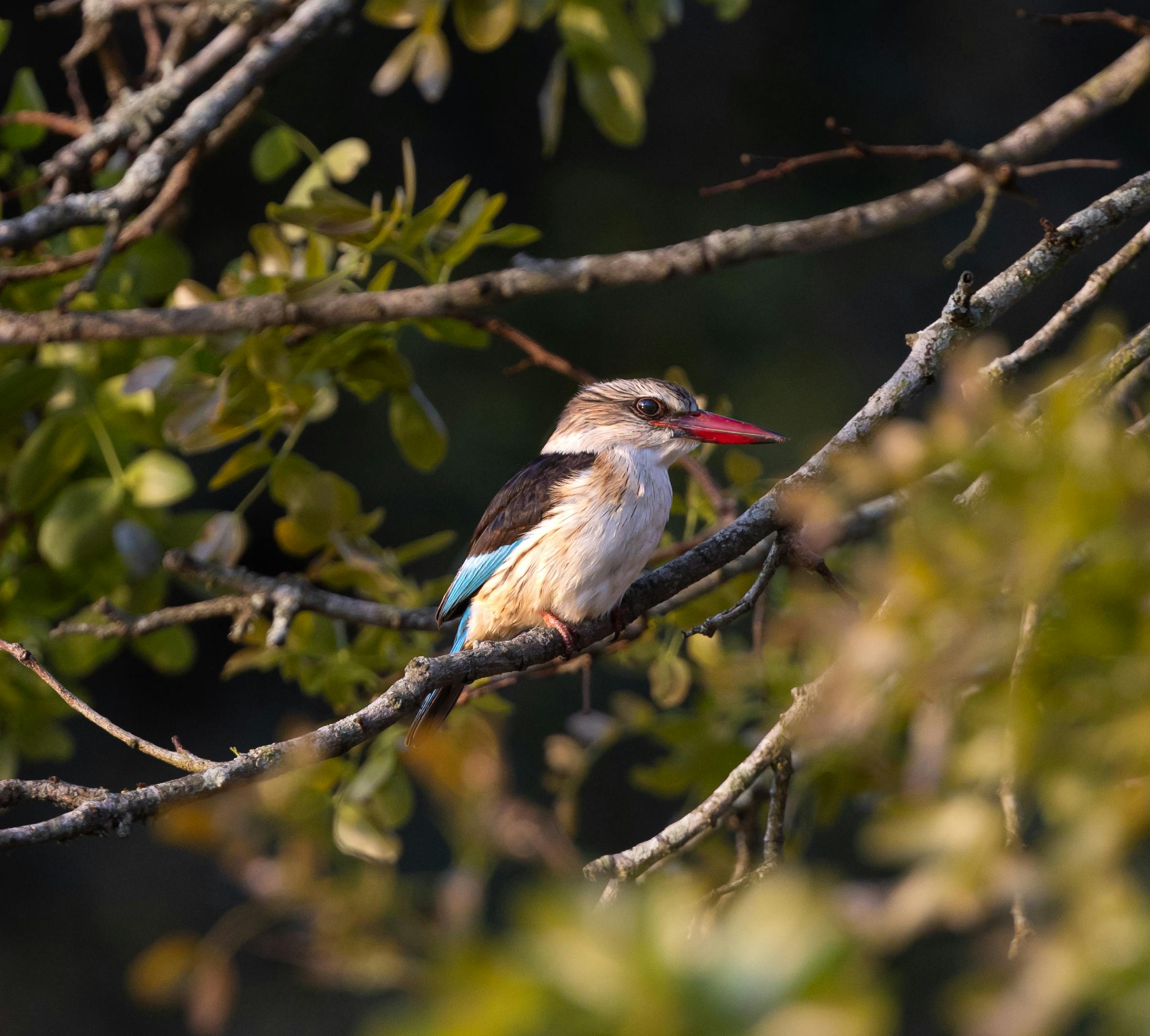
Woodland Kingfisher
Woodland Kingfisher
The Woodland Kingfisher: A Jewel of the African Skies
The Woodland Kingfisher (Halcyon senegalensis) is a dazzling avian species that graces the woodlands, savannas, and riverine habitats of sub-Saharan Africa. With its electric blue plumage, piercing calls, and fascinating behaviors, this bird is not just a visual delight but also an ecological marvel.
In this comprehensive guide, we will explore the biology, habitat, behavior, and ecological significance of the Woodland Kingfisher. We’ll also delve into its role in African folklore, conservation status, and how birdwatchers can spot and identify this vibrant species. Whether you’re a seasoned ornithologist or a curious nature lover, this 4000-word article will leave you captivated by one of Africa’s most iconic birds.
Introduction to the Woodland Kingfisher
The Woodland Kingfisher is a bird that commands attention. Found across a wide range of habitats in sub-Saharan Africa, it is instantly recognizable by its vibrant turquoise-blue wings, black-and-white markings, and striking red bill. Unlike many of its relatives, this kingfisher is not strictly aquatic and is often seen far from water sources.
Its scientific name, Halcyon senegalensis, pays homage to its serene appearance and widespread presence in regions like Senegal. However, its beauty is only one part of its story. This bird is a key player in its ecosystem, a subject of local legends, and a favorite among birdwatchers.
Taxonomy and Classification
The Woodland Kingfisher belongs to the family Alcedinidae, which includes over 90 species of kingfishers worldwide. Within this family, it is part of the subfamily Halcyoninae, often referred to as the “tree kingfishers.”
Scientific Classification:
- Kingdom: Animalia
- Phylum: Chordata
- Class: Aves
- Order: Coraciiformes
- Family: Alcedinidae
- Genus: Halcyon
- Species: Halcyon senegalensis
This species is closely related to other tree-dwelling kingfishers such as the Brown-hooded Kingfisher (Halcyon albiventris) and the Striped Kingfisher (Halcyon chelicuti).
Physical Characteristics
The Woodland Kingfisher is a medium-sized bird, typically measuring 20–23 cm in length. Its vivid coloration makes it one of the most visually arresting birds in Africa.
Key Features:
- Plumage: Bright turquoise-blue upperparts with black shoulders and white underparts.
- Bill: Large, strong, and red with a black tip.
- Eyes: Dark brown, with a sharp gaze.
- Wingspan: Approximately 30–35 cm.
- Sexual Dimorphism: Minimal; males and females look nearly identical.
This bird’s coloration is not just for show—it plays a role in mating displays and territorial defense.
Habitat and Distribution
The Woodland Kingfisher thrives in a variety of environments, from open woodlands to savannas and even suburban gardens. Unlike many kingfishers, it does not rely heavily on aquatic habitats.
Geographic Range:
- West Africa: Senegal, Gambia, Ghana
- Central Africa: Cameroon, Congo, DRC
- East Africa: Kenya, Tanzania, Uganda
- Southern Africa: Zambia, Zimbabwe, Botswana, South Africa
Preferred Habitats:
- Dry woodlands
- Mopane forests
- Acacia savannas
- Riverine forests
- Cultivated lands and gardens
Its adaptability to different habitats is one reason for its widespread distribution.
Behavior and Diet
The Woodland Kingfisher is a solitary and territorial bird, especially during the breeding season. It is diurnal and highly active during the early morning and late afternoon.
Feeding Habits:
- Diet: Insects (grasshoppers, beetles, crickets), small reptiles, amphibians, and occasionally small fish.
- Hunting Style: Perch-and-pounce technique; it watches from a branch and swoops down to capture prey.
- Feeding Territory: Defended aggressively from intruders.
Despite its name, it rarely fishes and is more insectivorous than piscivorous.
Breeding and Nesting Habits
Breeding season varies by region but generally coincides with the rainy season, when food is abundant.
Reproductive Behavior:
- Courtship: Includes aerial displays, singing, and gift-giving (insects).
- Nesting Sites: Utilizes abandoned woodpecker holes or natural tree cavities.
- Clutch Size: 2–4 eggs
- Incubation Period: Around 13–15 days
- Parental Care: Both parents feed and protect the chicks.
The young fledge approximately 18–22 days after hatching but may remain dependent for a few weeks.
Vocalizations and Communication
The Woodland Kingfisher is known for its loud, trilling call, often described as a “chee-chee-chee” that rises and falls in pitch. This call is a hallmark of the African bush during the wet season.
Types of Calls:
- Territorial Call: Loud and repetitive, used to ward off rivals.
- Mating Call: Softer, melodic trills.
- Alarm Call: Sharp and abrupt to signal danger.
Its vocalizations are crucial for maintaining territory and attracting mates.
Ecological Role and Importance
The Woodland Kingfisher plays a vital role in controlling insect populations, particularly during the rainy season when insect numbers surge. It also serves as prey for larger birds of prey and snakes, making it a key link in the food chain.
Ecological Contributions:
- Pest Control: Reduces populations of crop-damaging insects.
- Seed Dispersal: Occasionally consumes fruit, aiding in seed distribution.
- Prey Species: Supports raptor populations.
Its presence is often an indicator of a healthy, biodiverse environment.
Cultural Significance in Africa
In many African cultures, the Woodland Kingfisher is associated with rain and fertility. Its arrival often coincides with the onset of the rainy season, leading to its reverence in local folklore.
Symbolism:
- Rain Bringer: Seen as a harbinger of the wet season.
- Messenger Bird: Believed to carry messages from the spirit world.
- Totemic Animal: Featured in tribal emblems and stories.
Its striking appearance and seasonal patterns have made it a subject of art, music, and oral traditions.
Conservation Status and Threats
According to the IUCN Red List, the Woodland Kingfisher is listed as a species of Least Concern. However, habitat destruction and climate change pose long-term threats.
Current Threats:
- Deforestation: Loss of nesting and hunting grounds.
- Pesticide Use: Reduces insect prey and contaminates food sources.
- Climate Change: Alters migration and breeding patterns.
Conservation Measures:
- Protected areas and national parks
- Environmental education programs
- Sustainable land-use practices
Conservationists emphasize the importance of preserving woodland habitats to ensure the species’ continued survival.
Birdwatching Tips: How to Spot a Woodland Kingfisher
Spotting a Woodland Kingfisher can be a thrilling experience for birders. Here are some expert tips to increase your chances:
Best Times:
- Season: Rainy season (November to April in southern Africa)
- Time of Day: Early morning or late afternoon
Where to Look:
- Perched on exposed branches
- Near forest edges or open woodlands
- Around gardens and cultivated lands
What to Bring:
- Binoculars with good light transmission
- Bird field guide for African species
- Camera with telephoto lens
- Notebook for recording sightings
Their distinct call is often the first clue to their presence.
Frequently Asked Questions (FAQ)
1. Is the Woodland Kingfisher a migratory bird?
Yes, it is partially migratory. Populations in southern Africa migrate northward during the dry season and return with the rains.
2. Does the Woodland Kingfisher eat fish like other kingfishers?
Not typically. Unlike riverine kingfishers, it primarily feeds on insects and small terrestrial animals.
3. Where can I see a Woodland Kingfisher in the wild?
They are commonly seen in Kruger National Park in South Africa, Serengeti in Tanzania, and Okavango Delta in Botswana.
4. What does the Woodland Kingfisher’s call sound like?
Its call is a loud, descending trill, often heard during the breeding season. You can listen to it on Xeno-Canto.
5. Are Woodland Kingfishers endangered?
No, they are currently listed as Least Concern, but habitat loss could impact their numbers in the future.
Conclusion
The Woodland Kingfisher is more than just a beautiful bird—it’s a symbol of nature’s resilience, a guardian of ecological balance, and a cultural icon in many African societies. Its brilliant colors, melodic calls, and fascinating behaviors make it a favorite among birdwatchers and nature enthusiasts alike.
As we continue to face environmental challenges, understanding and protecting species like the Woodland Kingfisher becomes ever more crucial. By preserving its habitat and promoting biodiversity, we ensure that future generations can marvel at this avian jewel of the African skies.