
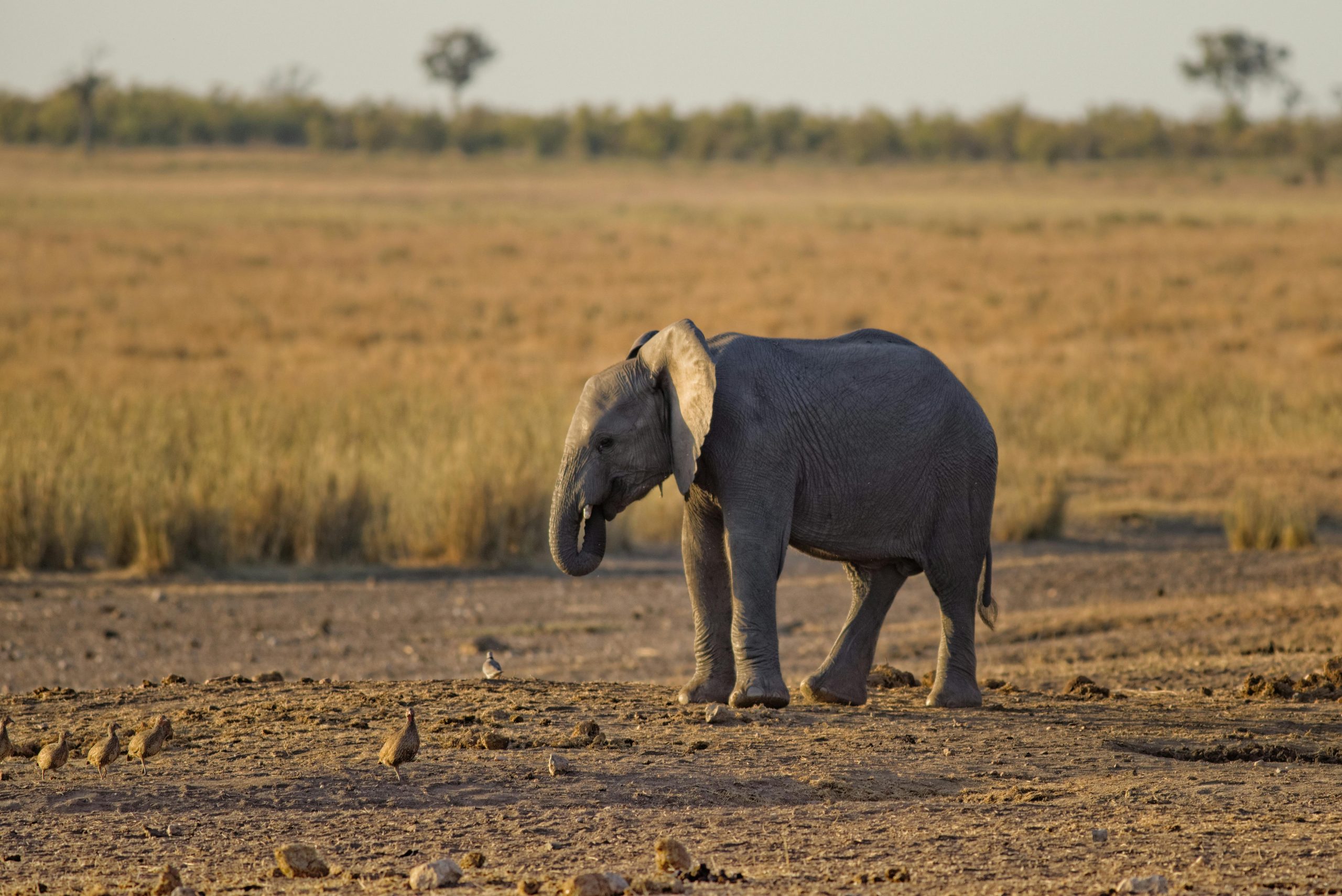
World Elephant Day
World Elephant Day
World Elephant Day: A Global Call to Protect Earth’s Gentle Giants
Introduction
Every year on August 12, the world unites to celebrate World Elephant Day — a powerful initiative dedicated to the preservation and protection of the majestic elephant. This globally recognized day is more than just a celebration; it’s a clarion call to action, raising awareness about the urgent threats elephants face and the critical need for conservation efforts.
With their towering presence, complex emotions, and deep familial bonds, elephants are not just icons of the wild — they are keystone species vital to the ecosystems they inhabit. However, due to rampant poaching, habitat loss, and human-elephant conflict, their survival hangs in the balance.
This comprehensive article delves into the origins of World Elephant Day, the challenges elephants face, global conservation efforts, and how individuals can make a difference. Let’s journey into the world of these extraordinary creatures and explore why their protection is a shared responsibility.
The Origins of World Elephant Day
A Vision Born from Urgency
World Elephant Day was co-founded in 2012 by Canadian filmmaker Patricia Sims and the Elephant Reintroduction Foundation of Thailand. The day was established to bring attention to the plight of Asian and African elephants, both of which are facing increasing threats due to human activity.
The initiative quickly gained momentum, drawing support from over 100 wildlife organizations and millions of individuals worldwide. It serves as a platform to:
- Promote awareness of elephant conservation issues
- Support solutions for better protection policies
- Encourage ethical treatment of elephants in captivity
- Highlight the importance of elephants in biodiversity
The Two Main Species of Elephants
Understanding the differences between elephant species is crucial to effective conservation.
1. African Elephants
- Species: African Savanna Elephant (Loxodonta africana) and African Forest Elephant (Loxodonta cyclotis)
- Habitat: Sub-Saharan Africa
- Status: Endangered (Savanna), Critically Endangered (Forest)
- Threats: Poaching for ivory, habitat fragmentation, human-wildlife conflict
2. Asian Elephants
- Species: Elephas maximus
- Habitat: India, Sri Lanka, Thailand, and Southeast Asia
- Status: Endangered
- Threats: Habitat loss, captivity abuse, conflict with humans
Each species plays a unique role in maintaining the health of their ecosystems. African elephants, for instance, are known as “ecosystem engineers” because they shape their environment by uprooting trees and creating water holes used by other animals.
The Threats Facing Elephants Today
Despite their cultural and ecological importance, elephants are under siege. Here are the primary threats they face:
1. Poaching and the Ivory Trade
The illegal ivory trade remains one of the most significant threats to elephant populations. Tens of thousands of elephants are killed annually for their tusks, which are sold on the black market.
- Ivory is used for ornaments, jewelry, and traditional medicine
- Demand is highest in parts of Asia, particularly China and Vietnam
- Poaching networks are often linked to organized crime and terrorism
2. Habitat Loss and Fragmentation
As human populations expand, elephant habitats shrink. Forests are cleared for agriculture, infrastructure, and urban development, leading to:
- Loss of migratory routes
- Isolation of elephant populations
- Increased human-elephant conflict
3. Human-Elephant Conflict
When elephants wander into human settlements in search of food, they often damage crops and property, leading to retaliation from farmers. This conflict results in:
- Injury or death of elephants and humans
- Economic loss for local communities
- Negative perceptions of elephants
4. Captivity and Exploitation
In many parts of Asia, elephants are used for tourism and labor. While some are treated ethically, many suffer from:
- Poor living conditions
- Physical abuse
- Psychological trauma
Global Conservation Efforts
International Organizations Leading the Charge
Several organizations are working tirelessly to protect elephants through policy advocacy, anti-poaching initiatives, and habitat restoration. Notable among them are:
Key Conservation Strategies
- Anti-poaching patrols and surveillance using drones and AI
- Community-based conservation to involve locals in protecting elephants
- Habitat corridors to connect fragmented landscapes
- Legislation banning ivory trade and protecting elephant habitats
How You Can Make a Difference
You don’t have to be a conservationist to help save elephants. Here are practical ways you can contribute:
Raise Awareness
- Share educational content on social media
- Host or attend World Elephant Day events
- Talk to friends and family about elephant conservation
Support Ethical Tourism
- Avoid elephant rides or performances
- Visit sanctuaries that prioritize elephant welfare
- Research organizations before donating or visiting
Donate to Conservation Groups
Your financial support can fund:
- Anti-poaching units
- Veterinary care for injured elephants
- Reforestation projects
Advocate for Policy Change
- Sign petitions to ban ivory trade
- Contact lawmakers to support wildlife protection laws
- Vote for leaders who prioritize environmental issues
The Cultural Significance of Elephants
Elephants have long held symbolic importance in various cultures:
- India: Revered in Hinduism, especially the deity Ganesha
- Thailand: National symbol, appearing in art and folklore
- Africa: Seen as symbols of wisdom, strength, and memory
Their cultural legacy underscores the need to preserve them not just for ecological reasons, but for the heritage of future generations.
The Role of Technology in Elephant Conservation
Modern technology is revolutionizing wildlife conservation. Here’s how it’s helping elephants:
GPS Tracking
- Allows researchers to monitor migration patterns
- Helps prevent human-elephant conflict by predicting movement
AI and Machine Learning
- Analyzes data from camera traps and drones
- Identifies poaching hotspots and patterns
DNA Forensics
- Tracks ivory back to its source
- Helps law enforcement prosecute poachers
Celebrating World Elephant Day: Global Events and Campaigns
Around the world, World Elephant Day is marked by:
- Documentary screenings (e.g., The Ivory Game)
- Educational workshops in schools and communities
- Social media campaigns using hashtags like #WorldElephantDay
- Art exhibitions and fundraising galas
These events not only raise awareness but also generate funds for conservation efforts.
The Future of Elephants: Hope or Extinction?
The fate of elephants hangs in the balance. While the challenges are immense, the global response offers hope. With continued advocacy, technological innovation, and community involvement, we can ensure that elephants roam the wild for generations to come.
Frequently Asked Questions (FAQ)
1. Why is World Elephant Day important?
World Elephant Day raises global awareness about the threats elephants face and promotes solutions for their protection. It unites conservationists, governments, and individuals in a shared mission.
2. What are the main threats to elephants?
The biggest threats include:
3. How can I help protect elephants?
You can:
- Support ethical tourism
- Donate to conservation organizations
- Raise awareness on social media
- Advocate for stronger wildlife protection laws
4. Are elephants endangered?
Yes. Both African and Asian elephants are listed as endangered due to poaching and habitat destruction.
5. What organizations support elephant conservation?
Some leading organizations include:
Conclusion
World Elephant Day is more than a date on the calendar — it’s a movement, a mission, and a moral imperative. Elephants, with their intelligence, empathy, and ecological importance, deserve our protection. By understanding the challenges they face and taking action, we can ensure that these gentle giants continue to inspire awe and wonder across the globe.
Let this day be a reminder that the future of elephants is in our hands. Whether through advocacy, education, or direct action, every effort counts. Join the movement. Be a voice for the voiceless. And help secure a wild, free future for elephants everywhere.