
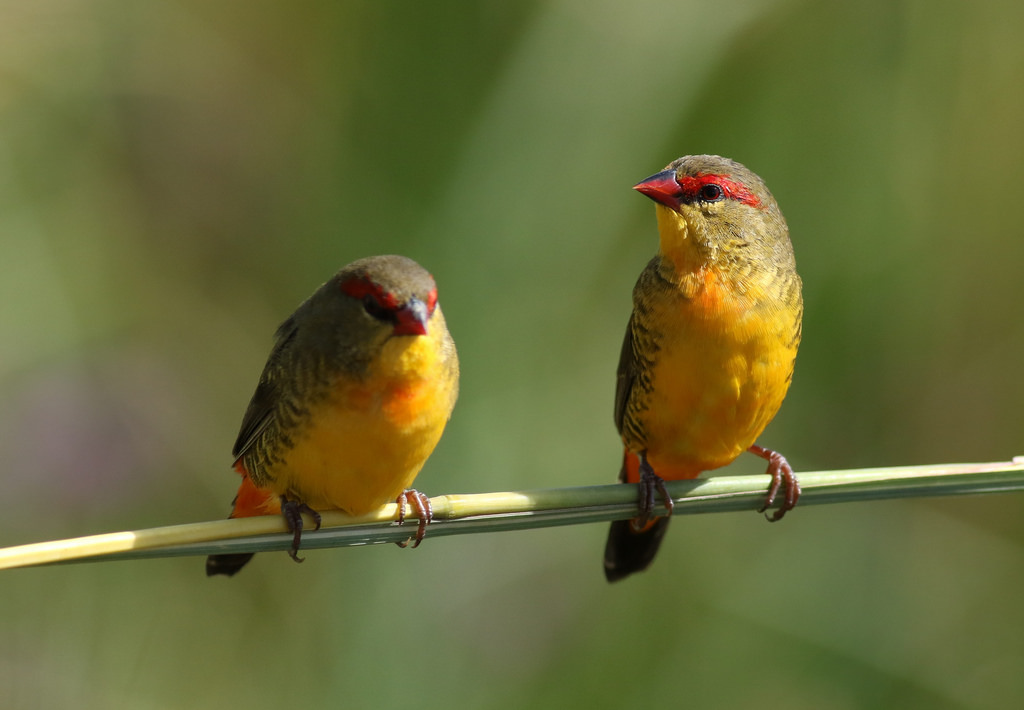
Zebra Waxbill
Zebra Waxbill
The Zebra Waxbill: A Complete Guide to the Elegant Avian Gem. Birding Safari Experience
Introduction
The Zebra Waxbill (Amandava subflava), also known as the Orange-breasted Waxbill, is a small, vibrant songbird admired for its striking plumage and gentle temperament. Native to sub-Saharan Africa, this species has captivated aviculturists, birdwatchers, and nature lovers alike. In this comprehensive guide, we will explore every facet of the Zebra Waxbill—from its natural habitat and diet to breeding behavior and care in captivity.
Overview of the Zebra Waxbill
The Zebra Waxbill belongs to the Estrildidae family, a group of small passerine birds commonly referred to as waxbills due to their waxy-looking beaks. These birds are prized for their:
- Dazzling coloration
- Peaceful disposition
- Adaptability to aviary life
Despite their delicate appearance, Zebra Waxbills are resilient and thrive in a variety of environments, making them a favorite among exotic bird breeders.
Natural Habitat and Distribution
Native Range
The Zebra Waxbill is widely distributed across:
- Sub-Saharan Africa
- Countries such as Senegal, Kenya, Uganda, and South Africa
- Occasionally found in introduced populations in regions like Puerto Rico
These birds are typically found in:
- Grasslands
- Savannas
- Marshes
- Agricultural fields
They prefer areas with tall grasses and access to water, which provide both food and nesting materials.
Climate Preferences
Zebra Waxbills thrive in:
- Warm, tropical climates
- Moderate humidity
- Areas with seasonal rainfall
Their adaptability allows them to survive in both wet and dry regions, provided there is sufficient vegetation.
Physical Characteristics
Size and Weight
- Length: 9–10 cm (3.5–4 inches)
- Weight: 7–10 grams
Plumage
- Males: Bright orange breast, red rump, and a distinctive zebra-like barring on the flanks
- Females: Duller in color, with less pronounced barring
- Both sexes: Red beak and eye-ring, olive-green back
Lifespan
- In the wild: 3–5 years
- In captivity: Up to 8 years with proper care
Behavior and Social Structure
Zebra Waxbills are highly social and exhibit fascinating behaviors, including:
- Flocking: Often seen in groups of 10–50 individuals
- Chirping: Soft, melodic calls used for communication
- Courtship Displays: Males perform dances and songs to attract mates
These birds are non-aggressive and can coexist peacefully with other small finches in mixed-species aviaries.
Diet and Feeding Habits
Natural Diet
In the wild, Zebra Waxbills feed on:
- Grass seeds
- Small insects
- Termites during breeding season
- Green shoots and buds
Captive Diet
To maintain optimal health in captivity, provide:
- High-quality finch seed mix
- Fresh greens (e.g., spinach, chickweed)
- Live food (e.g., mealworms, fruit flies)
- Cuttlefish bone for calcium
Recommended Supplements
- Vitamin drops in water
- Egg food during breeding
- Grit and mineral blocks
For more on avian nutrition, visit BirdLife International.
Breeding and Reproduction
Breeding Season
- Typically during the rainy season in the wild
- In captivity, can breed year-round with proper conditions
Nesting Behavior
- Build dome-shaped nests using grass and feathers
- Prefer dense vegetation or nesting boxes
Clutch Size
- 4–6 eggs
- Incubation: 11–13 days
- Fledging: 21–24 days post-hatching
Breeding Tips
- Provide privacy and nesting materials
- Maintain a stable environment
- Offer protein-rich food during breeding
Zebra Waxbill in Aviculture
Zebra Waxbills are popular in aviculture due to their:
- Low maintenance
- Compatibility with other finches
- Aesthetic appeal
Aviary Setup
- Minimum size: 1.5m x 1m x 1m
- Include natural perches, plants, and hiding spots
- Maintain temperature between 20–28°C (68–82°F)
Social Needs
- Should be kept in pairs or small groups
- Avoid housing with aggressive species
Enrichment Ideas
- Swinging perches
- Foraging trays
- Shallow water baths
For more aviculture tips, check Aviculture Hub.
Health and Common Diseases
Common Ailments
- Air sac mites
- Feather plucking
- Nutritional deficiencies
- Coccidiosis
Signs of Illness
- Lethargy
- Fluffed-up feathers
- Labored breathing
- Weight loss
Preventive Care
- Regular cage cleaning
- Balanced diet
- Quarantine new birds
- Annual vet checkups
For avian health resources, visit The Spruce Pets.
Conservation Status
According to the IUCN Red List, the Zebra Waxbill is classified as:
- Least Concern
This status reflects their wide distribution and stable population. However, habitat loss and the pet trade can pose localized threats.
FAQs About the Zebra Waxbill
1. Are Zebra Waxbills good pets for beginners?
Yes, they are ideal for novice bird keepers due to their hardy nature, peaceful behavior, and minimal space requirements.
2. Can Zebra Waxbills live with other birds?
Absolutely. They get along well with other small, non-aggressive finches like:
- Society Finches
- Gouldian Finches
- Canaries
3. What is the best diet for a Zebra Waxbill?
A balanced diet includes:
- Finch seed mix
- Fresh greens
- Live insects
- Mineral supplements
4. How do I encourage breeding in captivity?
Ensure:
- Adequate nesting materials
- Protein-rich food
- A stress-free environment
- Proper lighting and temperature
5. How long do Zebra Waxbills live?
With proper care, they can live up to 8 years in captivity.
Conclusion
The Zebra Waxbill is a captivating species that combines beauty, charm, and resilience. Whether you’re a seasoned aviculturist or a curious bird lover, this tiny finch offers a rewarding experience. By understanding its natural history, dietary needs, and social behavior, you can ensure a healthy and enriching life for this avian gem.
For more in-depth information on exotic bird care, visit trusted resources like BirdLife International, Aviculture Hub, and The Spruce Pets.