
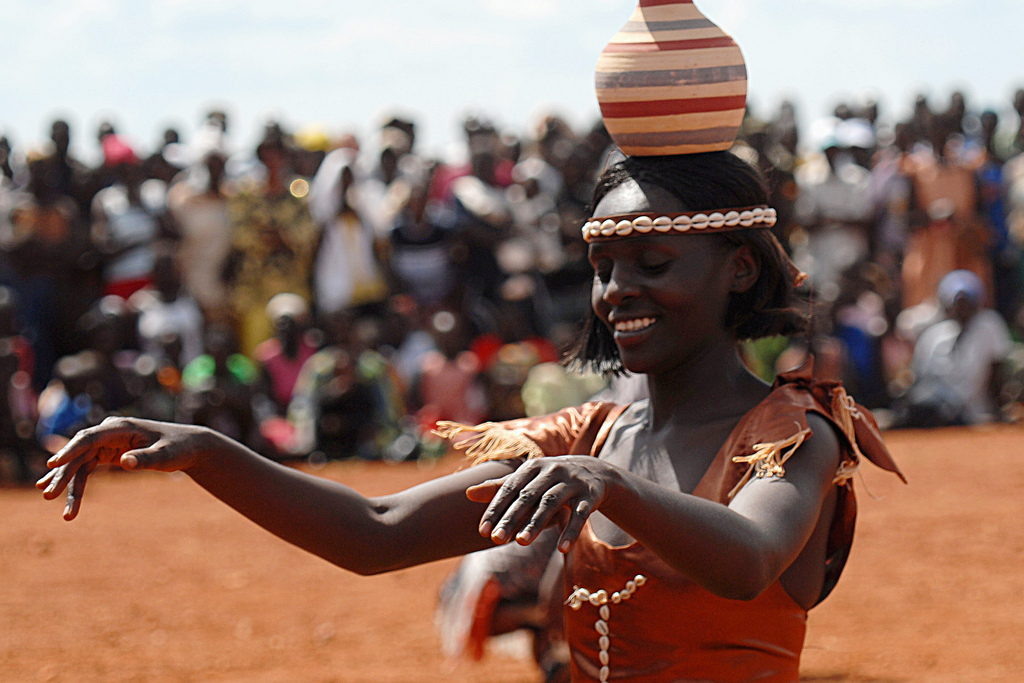
Traditional Ugandan Tribes
Traditional Ugandan Tribes
Traditional Ugandan Tribes: A Cultural Mosaic
Introduction to Ugandan Tribes
Uganda, often referred to as the “Pearl of Africa,” is a country rich in cultural diversity and heritage. This diversity is primarily due to the numerous traditional tribes that inhabit the region. Each tribe boasts its own unique customs, languages, and traditions, contributing to Uganda’s vibrant cultural tapestry.
The Baganda Tribe
Historical Background
The Baganda tribe is the largest ethnic group in Uganda, predominantly residing in the central region. Historically, the Baganda have played a significant role in shaping the political and cultural landscape of Uganda. Their kingdom, Buganda, is one of the oldest and most influential in the country.
Cultural Practices
- Language: The Baganda speak Luganda, a Bantu language.
- Traditional Dress: The Gomesi for women and the Kanzu for men are traditional attire.
- Cuisine: Matoke (steamed bananas) is a staple food.
The Basoga Tribe
Origins and Settlement
The Basoga tribe is primarily found in the eastern part of Uganda. Known for their rich oral traditions, the Basoga have a deep-rooted history that is passed down through generations.
Cultural Significance
- Music and Dance: The Basoga are famous for their traditional music and dance, often performed during ceremonies.
- Art and Craft: Basket weaving is a popular craft among the Basoga.
The Banyankole Tribe
Historical Context
The Banyankole tribe, located in southwestern Uganda, is known for its pastoral lifestyle. Historically, they were cattle herders, and cattle remain a symbol of wealth and status.
Traditions and Beliefs
- Language: Runyankole is the primary language.
- Rituals: The Banyankole have various rituals associated with marriage and cattle rearing.
The Acholi Tribe
Geographic Location
The Acholi tribe is situated in northern Uganda. They have a rich history and are known for their resilience and strong community ties.
Cultural Elements
- Folklore: The Acholi have a rich tradition of storytelling, often using folklore to impart wisdom.
- Traditional Music: The use of the Adungu, a traditional string instrument, is prevalent in Acholi music.
The Karamojong Tribe
Nomadic Lifestyle
The Karamojong tribe is known for its nomadic lifestyle, primarily residing in the northeastern part of Uganda. They are pastoralists, relying heavily on cattle for their livelihood.
Unique Traditions
- Dress: The Karamojong are known for their distinctive dress, often adorned with beads and other ornaments.
- Social Structure: Their society is organized around age sets and clans.
The Batooro Tribe
Cultural Heritage
The Batooro tribe, located in western Uganda, is known for its rich cultural heritage and traditional monarchy. The Tooro Kingdom is a significant cultural institution in the region.
Practices and Beliefs
- Language: Rutooro is the language spoken by the Batooro.
- Ceremonies: The Empango, a royal ceremony, is a significant cultural event.
Conclusion
Uganda’s traditional tribes offer a glimpse into the country’s diverse cultural landscape. Each tribe, with its unique customs and traditions, contributes to the rich tapestry that makes Uganda a truly remarkable nation. Understanding and appreciating these tribes is essential for anyone interested in the cultural dynamics of Uganda.
FAQ
What is the largest tribe in Uganda?
The largest tribe in Uganda is the Baganda tribe, predominantly found in the central region.
What language do the Basoga speak?
The Basoga speak Lusoga, a Bantu language.
What is the traditional attire of the Banyankole?
The Banyankole traditionally wear the Kanzu for men and the Suuka for women.
Where is the Acholi tribe located?
The Acholi tribe is located in northern Uganda.
What is unique about the Karamojong tribe?
The Karamojong tribe is known for its nomadic lifestyle and distinctive dress adorned with beads.
By exploring the rich cultural heritage of Uganda’s traditional tribes, one gains a deeper understanding of the nation’s history and identity. Each tribe, with its unique customs and traditions, adds to the vibrant cultural mosaic that defines Uganda.