
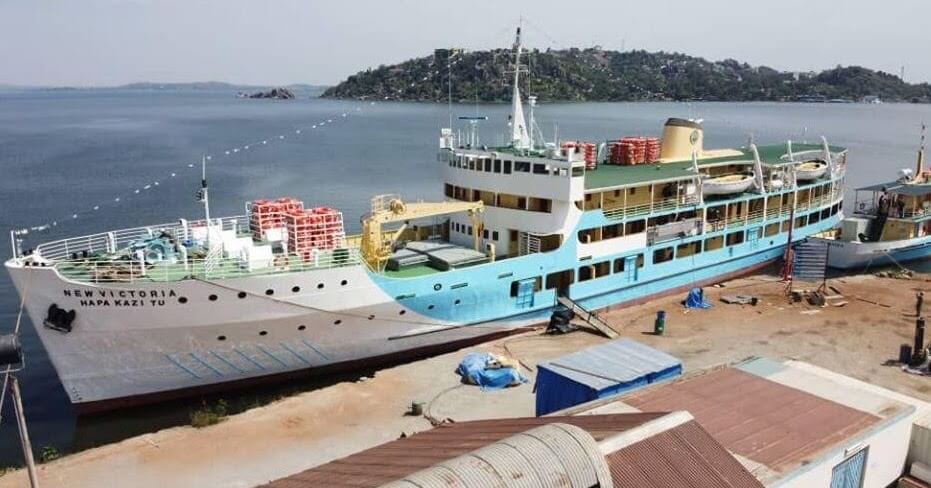
Lake Victoria Ports
Lake Victoria Ports
Lake Victoria Ports: A Comprehensive Guide to East Africa’s Vital Maritime Hubs
Introduction
Lake Victoria, the largest lake in Africa and the second-largest freshwater lake in the world, is a critical water body for the East African region. Shared by three countries—Kenya, Tanzania, and Uganda—Lake Victoria plays a pivotal role in trade, transportation, and economic development. The ports around this lake are essential for the movement of goods and people, connecting inland regions to major cities and international markets.
In this article, we will explore the major Lake Victoria ports, their significance, and the role they play in the socio-economic development of the region. We will also delve into the challenges these ports face and the future prospects for maritime trade on Lake Victoria.
The Importance of Lake Victoria Ports
Lake Victoria is not just a geographical landmark; it is a vital economic artery for East Africa. The ports on the lake facilitate trade between the three bordering countries and beyond. With the increasing demand for efficient transport systems in the region, these ports are becoming more critical than ever.
Key Functions of Lake Victoria Ports
- Trade Facilitation: The ports serve as hubs for the import and export of goods, particularly agricultural products, fish, and manufactured goods.
- Transportation: They provide a crucial link for passenger transport, connecting remote areas with urban centers.
- Economic Development: The ports contribute to the growth of local economies by creating jobs and boosting trade activities.
- Tourism: Some ports serve as gateways to popular tourist destinations, such as the Ssese Islands in Uganda and Mwanza in Tanzania.
Major Ports on Lake Victoria
1. Kisumu Port (Kenya)
Located on the northeastern shore of Lake Victoria, Kisumu Port is one of the most important ports in the region. It serves as a key hub for trade between Kenya, Uganda, and Tanzania. The port has undergone significant upgrades in recent years, making it more efficient and capable of handling larger volumes of cargo.
- Key Exports: Fish, tea, and coffee.
- Key Imports: Manufactured goods, petroleum products.
- Significance: Kisumu is a major economic center in western Kenya, and the port plays a crucial role in supporting the region’s economy.
2. Port Bell (Uganda)
Port Bell, located near Kampala, is Uganda’s main port on Lake Victoria. It is a vital link for trade between Uganda and its neighbors, particularly Kenya and Tanzania. The port is connected to Kampala by rail, making it an important part of Uganda’s transport infrastructure.
- Key Exports: Coffee, fish, and agricultural products.
- Key Imports: Machinery, petroleum products, and consumer goods.
- Significance: Port Bell is crucial for Uganda’s import and export activities, especially given the country’s landlocked status.
3. Mwanza Port (Tanzania)
Mwanza, located on the southern shore of Lake Victoria, is Tanzania’s largest port on the lake. The port is a key hub for trade within the East African region, and it plays a significant role in Tanzania’s economy.
- Key Exports: Fish, cotton, and coffee.
- Key Imports: Industrial goods, petroleum, and agricultural machinery.
- Significance: Mwanza is a major commercial center in Tanzania, and the port is essential for the movement of goods to and from the region.
4. Bukoba Port (Tanzania)
Located in the northwestern part of Tanzania, Bukoba Port is another important port on Lake Victoria. It serves as a gateway for trade between Tanzania and Uganda.
- Key Exports: Coffee, bananas, and fish.
- Key Imports: Consumer goods, machinery, and petroleum products.
- Significance: Bukoba is a key agricultural region, and the port plays a vital role in exporting the area’s produce.
5. Jinja Port (Uganda)
Jinja Port is located near the source of the Nile River and is one of Uganda’s oldest ports. Although its importance has diminished over the years, it remains a key player in the transport of goods on Lake Victoria.
- Key Exports: Sugar, tea, and coffee.
- Key Imports: Industrial goods, fuel, and machinery.
- Significance: Jinja is an important industrial town, and the port supports the movement of goods to and from the region.
Challenges Facing Lake Victoria Ports
Despite their importance, the ports on Lake Victoria face several challenges that hinder their full potential.
1. Infrastructure Issues
Many of the ports suffer from outdated infrastructure, which limits their capacity to handle modern shipping demands. This includes inadequate docking facilities, insufficient storage space, and poor road and rail connections.
2. Environmental Concerns
Lake Victoria is facing significant environmental challenges, including pollution, overfishing, and the spread of invasive species like the water hyacinth. These issues not only threaten the lake’s ecosystem but also impact the efficiency of port operations.
3. Political and Regulatory Barriers
The three countries that share Lake Victoria have different regulatory frameworks, which can complicate cross-border trade. Additionally, political instability in some parts of the region can disrupt port operations and trade routes.
4. Limited Investment
There has been a lack of significant investment in the development of Lake Victoria’s ports. While some ports, like Kisumu, have seen recent upgrades, others remain underdeveloped and unable to meet the growing demands of the region’s economy.
Future Prospects for Lake Victoria Ports
Despite the challenges, there are several opportunities for the development of Lake Victoria’s ports. With the right investments and policy changes, these ports could become even more critical to the region’s economy.
1. Infrastructure Development
Investing in modern infrastructure, including better docking facilities, storage areas, and transport links, could significantly improve the efficiency of the ports. This would allow them to handle larger volumes of cargo and attract more international trade.
2. Environmental Management
Addressing the environmental challenges facing Lake Victoria is essential for the long-term sustainability of its ports. This includes efforts to reduce pollution, control invasive species, and promote sustainable fishing practices.
3. Regional Cooperation
Improving cooperation between Kenya, Uganda, and Tanzania could help streamline regulations and reduce barriers to cross-border trade. This would make it easier for goods to move between the three countries and increase the overall efficiency of the ports.
4. Investment in Technology
The use of modern technology, such as digital tracking systems and automated cargo handling, could help improve the efficiency of port operations. This would reduce delays and make the ports more competitive in the global market.
Conclusion
Lake Victoria’s ports are vital to the economic development of East Africa. While they face several challenges, there are also significant opportunities for growth and improvement. By investing in infrastructure, addressing environmental concerns, and improving regional cooperation, these ports can continue to play a crucial role in the region’s economy for years to come.
FAQ
1. What are the major ports on Lake Victoria?
The major ports on Lake Victoria include Kisumu Port in Kenya, Port Bell in Uganda, and Mwanza Port in Tanzania. Other important ports include Bukoba and Jinja.
2. What is the significance of Kisumu Port?
Kisumu Port is a key hub for trade between Kenya, Uganda, and Tanzania. It plays a crucial role in the export of agricultural products and the import of manufactured goods.
3. What challenges do Lake Victoria ports face?
The main challenges include outdated infrastructure, environmental issues, political barriers, and limited investment in port development.
4. How can the ports on Lake Victoria be improved?
The ports can be improved through investments in modern infrastructure, better environmental management, enhanced regional cooperation, and the use of advanced technology.
5. What role do Lake Victoria ports play in tourism?
Some ports, such as those near the Ssese Islands and Mwanza, serve as gateways to popular tourist destinations, contributing to the region’s tourism industry.