
Lake Victoria Wildlife
Lake Victoria Wildlife
Lake Victoria Wildlife: A Comprehensive Guide to the Biodiversity of Africa’s Largest Lake
Introduction
Lake Victoria, the largest lake in Africa and the second-largest freshwater lake in the world, is an ecological treasure trove. Spanning three countries—Tanzania, Uganda, and Kenya—this body of water is home to a vast array of wildlife, both aquatic and terrestrial. The lake’s unique ecosystem supports a rich biodiversity, making it one of the most important natural habitats in East Africa.
In this article, we will explore the fascinating wildlife of Lake Victoria, diving deep into its aquatic species, birdlife, and the surrounding flora and fauna. We will also discuss the environmental challenges facing the lake and the conservation efforts being made to preserve its delicate ecosystem.
The Aquatic Life of Lake Victoria
Fish Species
Lake Victoria is renowned for its incredible diversity of fish species, particularly the cichlids, which are small, colorful fish that have evolved into hundreds of different species in the lake. These fish are a prime example of adaptive radiation, where a single species diversifies into many to fill various ecological niches.
However, the introduction of the Nile perch in the 1950s has had a devastating impact on the native fish populations. While the Nile perch has become a valuable source of income for local fishermen, it has led to the extinction of many indigenous species, particularly the cichlids.
Some of the key fish species found in Lake Victoria include:
- Nile perch (Lates niloticus): A large predatory fish introduced for commercial fishing.
- Tilapia (Oreochromis niloticus): A staple in the local diet and an important part of the lake’s ecosystem.
- Various species of cichlids: These small, colorful fish are endemic to the lake and are known for their incredible diversity.
Invertebrates
Lake Victoria is also home to a variety of invertebrates, including crustaceans, mollusks, and insects. These organisms play a crucial role in the lake’s food web, serving as prey for fish and birds.
- Freshwater snails: These mollusks are common in the lake and are an important food source for fish and birds.
- Crayfish: Introduced to the lake, these crustaceans have become a significant part of the aquatic ecosystem.
- Dragonfly larvae: Found in the shallow waters of the lake, these larvae are a key food source for fish.
Birdlife Around Lake Victoria
Lake Victoria is a haven for birdwatchers, with over 350 species of birds recorded in the region. The lake’s wetlands, islands, and surrounding forests provide ideal habitats for both resident and migratory bird species.
Waterbirds
Waterbirds are the most prominent avian species around Lake Victoria. These birds rely on the lake’s abundant fish and invertebrate populations for food.
- African fish eagle (Haliaeetus vocifer): This majestic bird of prey is often seen soaring above the lake, hunting for fish.
- Great cormorant (Phalacrocorax carbo): A common sight along the shores, these birds dive into the water to catch fish.
- Pied kingfisher (Ceryle rudis): Known for its striking black-and-white plumage, this bird hovers above the water before diving to catch fish.
Migratory Birds
Lake Victoria is an important stopover for migratory birds traveling between Europe and Africa. The lake’s wetlands provide a crucial resting and feeding ground for these birds during their long journeys.
- White-winged tern (Chlidonias leucopterus): A migratory bird that breeds in Europe and Asia before wintering in Africa.
- Lesser flamingo (Phoeniconaias minor): These striking pink birds can be seen in large flocks around the lake’s shallow waters.
Terrestrial Wildlife Around Lake Victoria
While the lake itself is the main attraction, the surrounding areas are home to a variety of terrestrial wildlife. The forests, grasslands, and wetlands around the lake provide habitats for mammals, reptiles, and amphibians.
Mammals
The areas surrounding Lake Victoria are home to several species of mammals, including:
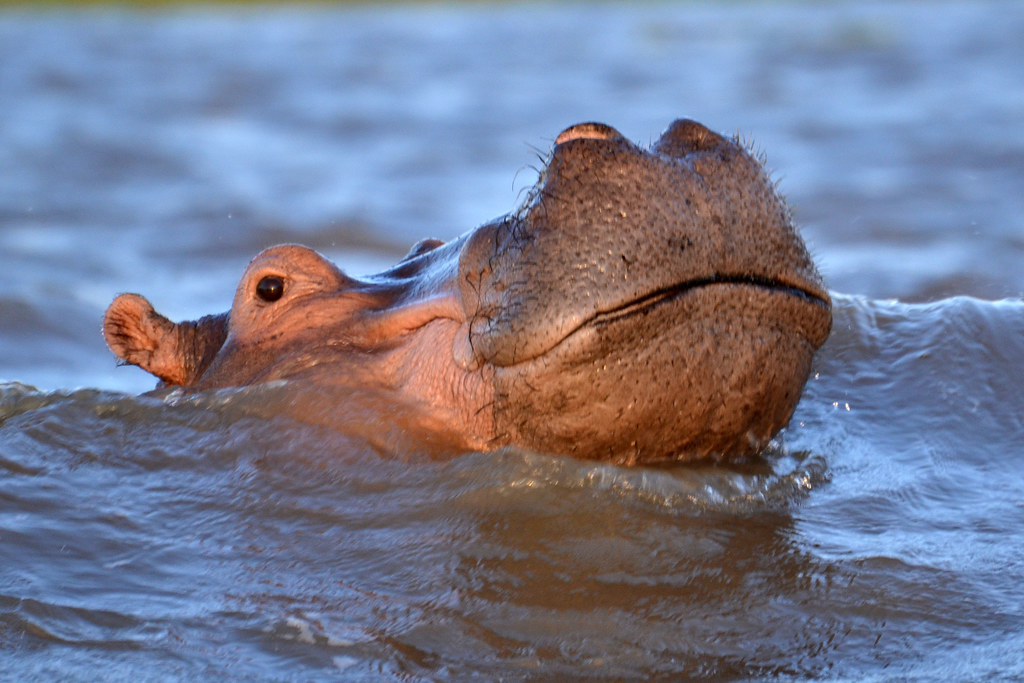
- Hippos (Hippopotamus amphibius): These large herbivores are commonly found in the shallow waters and wetlands around the lake.
- Sitatunga (Tragelaphus spekii): A semi-aquatic antelope that inhabits the swamps and wetlands around Lake Victoria.
- Vervet monkeys (Chlorocebus pygerythrus): These small primates are often seen in the forests and grasslands near the lake.
Reptiles and Amphibians
The wetlands and forests around Lake Victoria are also home to a variety of reptiles and amphibians.
- Nile crocodile (Crocodylus niloticus): These large predators are found in the lake and its surrounding rivers and wetlands.
- African bullfrog (Pyxicephalus adspersus): A large amphibian that inhabits the wetlands around the lake.
Environmental Challenges Facing Lake Victoria
Despite its rich biodiversity, Lake Victoria faces numerous environmental challenges that threaten its wildlife and ecosystem. The most pressing issues include:
Pollution
Pollution is one of the biggest threats to Lake Victoria’s ecosystem. Industrial waste, agricultural runoff, and untreated sewage are all major sources of pollution that have degraded the water quality in the lake. This has led to the proliferation of algal blooms, which deplete oxygen levels in the water and harm aquatic life.
Invasive Species
The introduction of non-native species, such as the Nile perch and water hyacinth, has had a devastating impact on Lake Victoria’s ecosystem. The Nile perch has decimated native fish populations, while the water hyacinth has clogged waterways, making it difficult for boats to navigate and reducing oxygen levels in the water.
Overfishing
Overfishing is another major issue facing Lake Victoria. The demand for fish, particularly Nile perch and tilapia, has led to unsustainable fishing practices that have depleted fish stocks and disrupted the lake’s food web.
Conservation Efforts
In response to the environmental challenges facing Lake Victoria, several conservation efforts have been implemented to protect its wildlife and ecosystem.
Fishery Management
Efforts to manage the lake’s fisheries have been introduced to prevent overfishing and ensure the sustainability of fish populations. These include the establishment of fishing quotas and the promotion of sustainable fishing practices.
Invasive Species Control
Programs have been launched to control the spread of invasive species, particularly the water hyacinth. These efforts include the physical removal of the plant and the introduction of biological control agents, such as weevils, to reduce its spread.
Pollution Reduction
Governments and environmental organizations are working to reduce pollution in Lake Victoria by improving waste management systems and promoting sustainable agricultural practices.
Conclusion
Lake Victoria is a unique and vital ecosystem that supports a rich diversity of wildlife. From its colorful cichlids to its majestic African fish eagles, the lake is home to an incredible array of species. However, the lake’s ecosystem is under threat from pollution, invasive species, and overfishing. It is crucial that conservation efforts continue to protect this important natural habitat for future generations.
FAQs
1. What are the most common fish species in Lake Victoria?
The most common fish species in Lake Victoria include the Nile perch, tilapia, and various species of cichlids. While the Nile perch and tilapia are commercially important, the cichlids are known for their incredible diversity.
2. What types of birds can be found around Lake Victoria?
Lake Victoria is home to a wide variety of bird species, including the African fish eagle, great cormorant, and pied kingfisher. The lake is also an important stopover for migratory birds, such as the white-winged tern and lesser flamingo.
3. What are the main environmental challenges facing Lake Victoria?
The main environmental challenges facing Lake Victoria include pollution, invasive species, and overfishing. These issues have had a significant impact on the lake’s ecosystem and wildlife.
4. How are conservation efforts helping to protect Lake Victoria?
Conservation efforts in Lake Victoria include fishery management, invasive species control, and pollution reduction. These efforts aim to protect the lake’s biodiversity and ensure the sustainability of its ecosystem.
5. What mammals can be found around Lake Victoria?
The areas surrounding Lake Victoria are home to several species of mammals, including hippos, sitatunga, and vervet monkeys. These animals inhabit the wetlands, forests, and grasslands around the lake.