
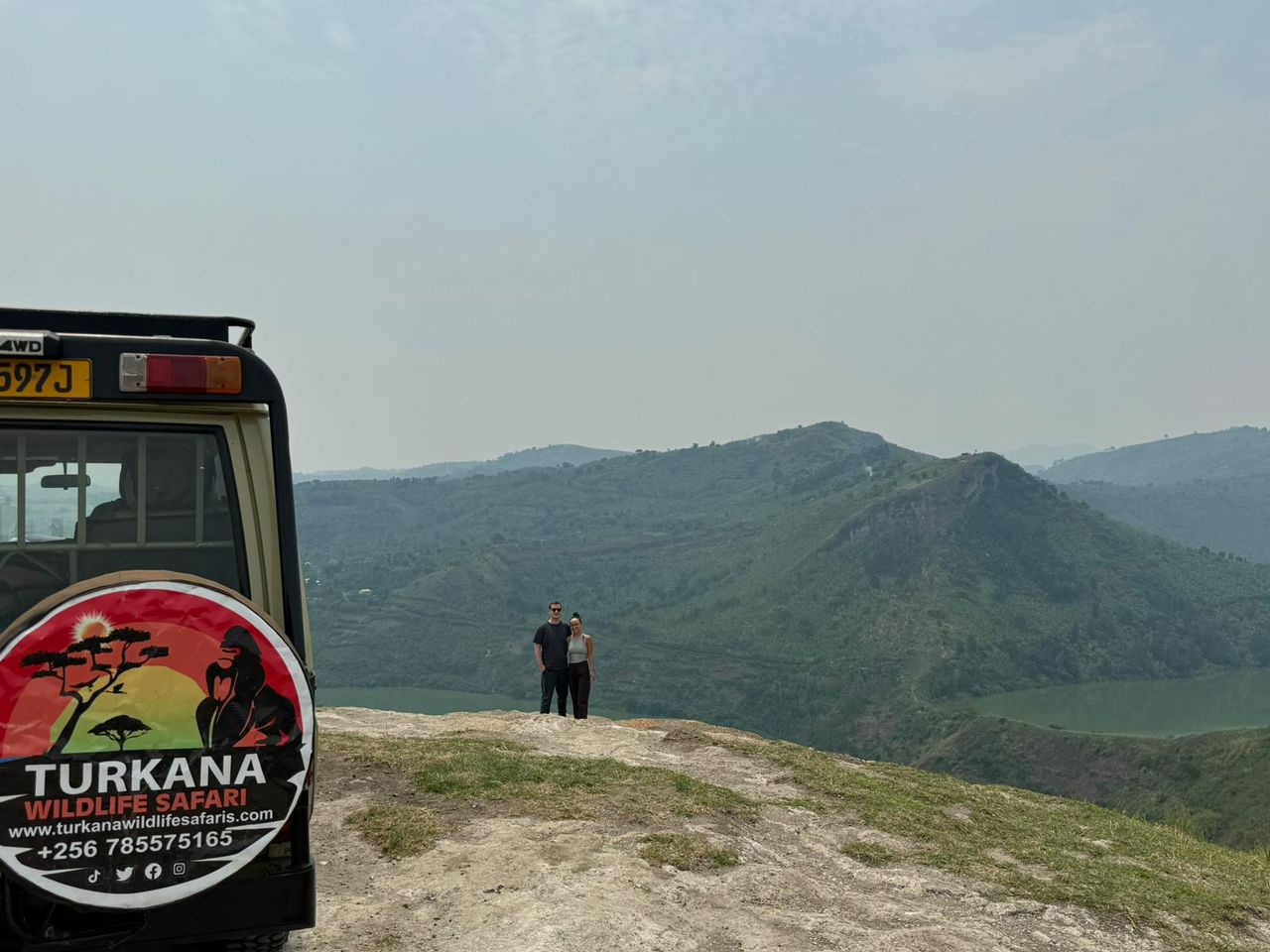
Safari Adventure
Safari Adventure
The Ultimate Safari Adventure: A Journey into the Wild
Introduction to Safari Adventures
Embarking on a safari adventure is a dream for many travelers seeking to immerse themselves in the untamed beauty of nature. Whether you’re exploring the vast plains of the Serengeti, the lush landscapes of Kruger National Park, or the breathtaking views of Masai Mara, a safari offers an unparalleled experience of wildlife, culture, and adventure.
In this article, we’ll dive deep into the world of safari adventures, covering everything from the best destinations to the essential tips for a successful trip. Whether you’re a first-time explorer or a seasoned traveler, this guide will provide you with all the information you need to make your safari unforgettable.
Top Safari Destinations Around the World
When planning a safari, choosing the right destination is crucial. Each region offers its own unique wildlife, landscapes, and experiences. Below are some of the most popular safari destinations that should be on every adventurer’s list.
1. Serengeti National Park, Tanzania
The Serengeti is one of the most iconic safari destinations in the world. Known for the Great Migration, where millions of wildebeest, zebras, and gazelles traverse the plains in search of greener pastures, the Serengeti offers a front-row seat to one of nature’s most spectacular events. Visitors can also spot the Big Five—lion, leopard, elephant, rhino, and buffalo—making it a must-visit for wildlife enthusiasts.
2. Masai Mara, Kenya
Located in southwestern Kenya, the Masai Mara is renowned for its rich wildlife and stunning landscapes. It shares a border with the Serengeti, making it another prime location to witness the Great Migration. The Masai Mara is also home to a vibrant Maasai culture, offering visitors the chance to learn about the traditions and customs of the local people.
3. Kruger National Park, South Africa
Kruger National Park is one of Africa’s largest game reserves, covering nearly 20,000 square kilometers. It is home to an incredible diversity of wildlife, including the Big Five and over 500 species of birds. Kruger offers a range of accommodation options, from luxury lodges to budget-friendly campsites, making it accessible to all types of travelers.
4. Okavango Delta, Botswana
The Okavango Delta is a unique safari destination, offering a water-based experience unlike any other. Visitors can explore the delta’s intricate network of waterways by mokoro (a traditional dugout canoe), getting up close to hippos, crocodiles, and a variety of bird species. The delta is also home to large populations of elephants, lions, and leopards.
5. Chobe National Park, Botswana
Chobe National Park is famous for its large elephant population, with over 50,000 elephants roaming the park. In addition to elephants, visitors can spot lions, leopards, buffalo, and a variety of antelope species. The Chobe River offers excellent opportunities for boat safaris, where you can observe wildlife from a unique perspective.
6. Bwindi Impenetrable National Park, Uganda
Bwindi Impenetrable National Park in southwestern Uganda is world-renowned for its mountain gorilla trekking. This UNESCO World Heritage Site is home to nearly half of the world’s remaining mountain gorillas, offering visitors a rare opportunity to observe these majestic creatures in their natural habitat. The park’s dense, mist-covered forests are also home to a variety of other wildlife, including chimpanzees, monkeys, and over 350 bird species. Trekking through Bwindi’s rugged terrain is both challenging and rewarding, making it a must-visit for adventurous travelers.
7. Murchison Falls National Park, Uganda
Murchison Falls National Park, located in northwestern Uganda, is named after the dramatic Murchison Falls, where the Nile River plunges 43 meters through a narrow gorge. The park is Uganda’s largest and offers a diverse range of wildlife, including elephants, lions, giraffes, hippos, and crocodiles. Visitors can enjoy game drives, boat safaris along the Nile, and guided hikes to the top of the falls. The combination of stunning landscapes and abundant wildlife makes Murchison Falls a hidden gem for safari enthusiasts.
What to Expect on a Safari Adventure
A safari is more than just a wildlife viewing experience—it’s a journey into the heart of nature. Here’s what you can expect during your safari adventure:
- Game Drives: Most safaris include daily game drives, where you’ll venture into the wilderness in a 4×4 vehicle with an experienced guide. These drives typically take place early in the morning and late in the afternoon when animals are most active.
- Walking Safaris: For a more intimate experience, some parks offer guided walking safaris, where you can explore the bush on foot and learn about the smaller details of the ecosystem, such as plants, insects, and animal tracks.
- Cultural Experiences: Many safari destinations offer opportunities to engage with local communities and learn about their traditions and way of life. In Kenya and Tanzania, for example, you can visit Maasai villages and participate in traditional dances and ceremonies.
- Luxury Accommodations: While the focus of a safari is on wildlife, many lodges and camps offer luxurious accommodations, complete with gourmet dining, spa treatments, and stunning views of the surrounding landscape.
Essential Tips for a Successful Safari
To make the most of your safari adventure, it’s important to be well-prepared. Here are some essential tips to keep in mind:
1. Pack the Right Gear
Packing for a safari requires careful consideration. Here are some must-have items for your trip:
- Clothing: Opt for lightweight, neutral-colored clothing that blends in with the environment. Avoid bright colors, as they can attract unwanted attention from animals. Layering is key, as temperatures can vary throughout the day.
- Binoculars: A good pair of binoculars is essential for spotting wildlife from a distance.
- Camera: Capture the beauty of the wildlife and landscapes with a high-quality camera. Make sure to bring extra batteries and memory cards.
- Sunscreen and Insect Repellent: Protect yourself from the sun and insects by packing sunscreen and a strong insect repellent.
2. Choose the Right Time to Visit
The best time to go on a safari depends on the destination and the type of wildlife you want to see. In general, the dry season (June to October) is the best time for wildlife viewing, as animals tend to congregate around water sources. However, the wet season (November to May) offers lush landscapes and fewer tourists.
3. Respect the Wildlife
While it’s exciting to see animals up close, it’s important to remember that you’re a guest in their habitat. Always follow the instructions of your guide and maintain a safe distance from the animals. Never attempt to feed or touch the wildlife.
4. Stay Hydrated
The African sun can be intense, so it’s important to stay hydrated throughout your safari. Bring a reusable water bottle and drink plenty of water, especially during game drives and walking safaris.
5. Be Patient
Wildlife sightings can be unpredictable, so it’s important to be patient. Some days you may see a wide variety of animals, while other days may be quieter. Enjoy the experience of being in nature and appreciate the smaller details, such as the sounds of the birds or the beauty of the landscape.
Frequently Asked Questions (FAQ)
1. What is the best time of year to go on a safari?
The best time to go on a safari depends on the destination and the type of wildlife you want to see. In general, the dry season (June to October) is ideal for wildlife viewing, as animals tend to gather around water sources. However, the wet season (November to May) offers lush landscapes and fewer tourists.
2. What should I pack for a safari?
When packing for a safari, it’s important to bring lightweight, neutral-colored clothing, a good pair of binoculars, a high-quality camera, sunscreen, and insect repellent. Layering is key, as temperatures can vary throughout the day.
3. Is it safe to go on a safari?
Yes, safaris are generally safe as long as you follow the instructions of your guide and respect the wildlife. Always maintain a safe distance from animals and never attempt to feed or touch them.
4. Can I go on a safari with children?
Many safari lodges and camps are family-friendly and offer activities tailored to children. However, it’s important to check the age restrictions for certain activities, such as walking safaris, as they may not be suitable for young children.
5. How much does a safari cost?
The cost of a safari can vary greatly depending on the destination, the level of accommodation, and the length of your trip. Budget safaris can start at around $150 per day, while luxury safaris can cost upwards of $1,000 per day.
Conclusion
A safari adventure is a once-in-a-lifetime experience that offers the opportunity to connect with nature in a profound way. Whether you’re exploring the vast plains of the Serengeti, the lush landscapes of Kruger National Park, or the breathtaking views of Masai Mara, a safari offers an unforgettable journey into the wild. By choosing the right destination, packing the right gear, and respecting the wildlife, you can ensure that your safari is both safe and enjoyable.