
Wildebeest Migration Viewing Points
Wildebeest Migration Viewing Points
The Ultimate Guide to Viewing the Wildbeest Migration: Top Locations and Tips
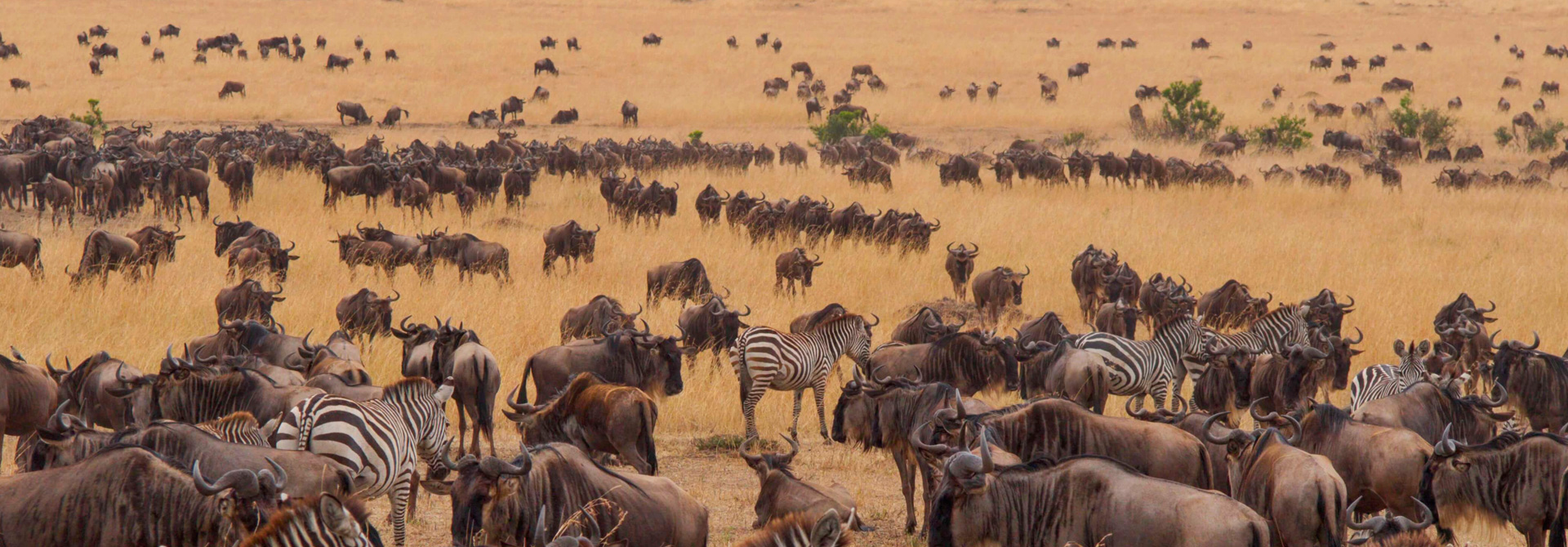
The Great Wildebeest Migration is one of the most spectacular natural events on Earth, drawing thousands of visitors each year to witness the awe-inspiring movement of over 1.5 million wildebeest, accompanied by hundreds of thousands of zebras and gazelles. This annual migration, which spans across the Serengeti in Tanzania and the Maasai Mara in Kenya, is a breathtaking spectacle that showcases the raw beauty of nature.
In this article, we will explore the best viewing points for the wildebeest migration, offering expert tips on when and where to go, and what to expect. Whether you’re planning your first safari or you’re a seasoned traveler, this guide will help you make the most of your wildebeest migration experience.
What is the Wildebeest Migration?
The wildebeest migration is a continuous, year-round movement of animals in search of fresh grazing and water. The migration follows a circular route between the Serengeti National Park in Tanzania and the Maasai Mara National Reserve in Kenya, covering over 1,800 miles. The journey is fraught with danger, as the wildebeest must cross rivers teeming with crocodiles and evade predators like lions, cheetahs, and hyenas.
Key Phases of the Migration
- Calving Season (January – March): The migration begins in the southern Serengeti, where the wildebeest give birth to their young. This is a great time to witness the start of the migration and see newborn calves.
- Grumeti River Crossing (June – July): As the herds move northward, they must cross the Grumeti River, where crocodiles lie in wait. This is one of the most dramatic moments of the migration.
- Mara River Crossing (July – September): The most famous part of the migration occurs when the wildebeest cross the Mara River into Kenya. This is a must-see for any wildlife enthusiast.
- Return to the Serengeti (October – December): After grazing in the Maasai Mara, the herds begin their journey back to the Serengeti, completing the cycle.
Best Viewing Points for the Wildebeest Migration
1. Serengeti National Park (Tanzania)
The Serengeti is the heart of the wildebeest migration, offering incredible opportunities to witness the herds in action. The park is vast, covering over 14,750 square kilometers, and is home to a diverse range of wildlife. The best time to visit the Serengeti depends on which phase of the migration you want to see.
- Southern Serengeti (January – March): This is the best time to witness the calving season, as thousands of wildebeest give birth to their young. The southern plains are lush and green, providing excellent grazing for the herds.
- Western Corridor (May – June): The herds move towards the Grumeti River, where they must make their first major river crossing. The Western Corridor is a great place to see the drama unfold.
- Northern Serengeti (July – September): As the herds head towards the Maasai Mara, they must cross the Mara River. The northern Serengeti offers excellent viewing points for this dramatic event.
2. Maasai Mara National Reserve (Kenya)
The Maasai Mara is one of the most famous wildlife reserves in the world, and for good reason. The Mara is the final destination for the wildebeest migration, and it’s here that the herds face their most perilous challenge: crossing the Mara River.
- Mara River (July – September): The Mara River crossing is the highlight of the migration, as thousands of wildebeest plunge into the crocodile-infested waters. The sight of the herds crossing the river is one of the most iconic wildlife spectacles in the world.
- Mara Triangle (August – October): The Mara Triangle is a less crowded area of the Maasai Mara, offering excellent viewing opportunities without the large crowds. This is a great place to see the herds grazing after they’ve crossed the river.
3. Grumeti Game Reserve (Tanzania)
Located in the Western Serengeti, the Grumeti Game Reserve is a private reserve that offers exclusive access to the migration. The Grumeti River is one of the major obstacles the wildebeest must cross, and the reserve offers excellent viewing opportunities for this dramatic event.
- Grumeti River (June – July): The Grumeti River crossing is less famous than the Mara River crossing, but it’s just as dramatic. The river is home to large crocodiles that lie in wait for the herds, making for a thrilling spectacle.
4. Ngorongoro Conservation Area (Tanzania)
The Ngorongoro Conservation Area is a UNESCO World Heritage Site and one of the most unique places to view the migration. The area is home to the Ngorongoro Crater, a massive volcanic caldera that provides a natural enclosure for wildlife.
- Southern Serengeti (January – March): The southern plains of the Ngorongoro Conservation Area are a prime location to witness the calving season. The area is lush and green during this time, making it a great place to see the herds in action.
5. Loliondo Game Controlled Area (Tanzania)
The Loliondo Game Controlled Area is a private concession located on the eastern border of the Serengeti. This area offers a more exclusive and intimate experience, with fewer tourists and excellent opportunities to see the migration up close.
- Eastern Serengeti (April – May): The Loliondo area is a great place to see the herds as they move towards the Western Corridor. The area is less crowded than the main Serengeti, offering a more peaceful experience.
Tips for Viewing the Wildebeest Migration
- Timing is Everything: The migration is a year-round event, but the best time to visit depends on which part of the migration you want to see. Plan your trip around the key phases of the migration to maximize your chances of witnessing the herds in action.
- Book Early: The wildebeest migration is one of the most popular wildlife events in the world, and lodges and camps fill up quickly. Book your accommodation and safari well in advance to avoid disappointment.
- Choose the Right Safari: There are many different types of safaris available, from budget camping trips to luxury lodges. Choose a safari that suits your budget and preferences, and make sure it’s tailored to the migration.
- Bring the Right Gear: A good pair of binoculars, a camera with a zoom lens, and comfortable clothing are essential for a successful migration safari. Make sure you’re prepared for the weather, which can vary depending on the time of year and location.
- Be Patient: The migration is unpredictable, and it can take time to see the herds in action. Be patient and enjoy the experience of being in one of the most beautiful and wildlife-rich areas in the world.
Frequently Asked Questions (FAQ)
1. When is the best time to see the wildebeest migration?
The best time to see the migration depends on which part of the event you want to witness. The calving season occurs between January and March in the southern Serengeti, while the Mara River crossing takes place between July and September.
2. Where is the best place to see the wildebeest migration?
The best places to see the migration are the Serengeti National Park in Tanzania and the Maasai Mara National Reserve in Kenya. Both offer excellent viewing opportunities, but the Mara River crossing is considered the highlight of the migration.
3. How long does the wildebeest migration last?
The wildebeest migration is a year-round event, with the herds constantly moving in search of fresh grazing and water. The entire migration cycle covers over 1,800 miles and takes about 12 months to complete.
4. What should I pack for a migration safari?
Essential items for a migration safari include binoculars, a camera with a zoom lens, comfortable clothing, and sunscreen. It’s also important to bring insect repellent and any necessary medications.
5. Is it safe to visit the Serengeti and Maasai Mara?
Yes, both the Serengeti and Maasai Mara are safe for tourists. However, it’s important to follow the advice of your guide and take necessary precautions, such as staying in designated areas and avoiding close contact with wildlife.
Conclusion
The wildebeest migration is a once-in-a-lifetime experience that should be on every wildlife enthusiast’s bucket list. With the right planning, you can witness one of the most incredible natural events on Earth. Whether you choose to visit the Serengeti, the Maasai Mara, or one of the other key viewing points, you’re sure to have an unforgettable adventure.