
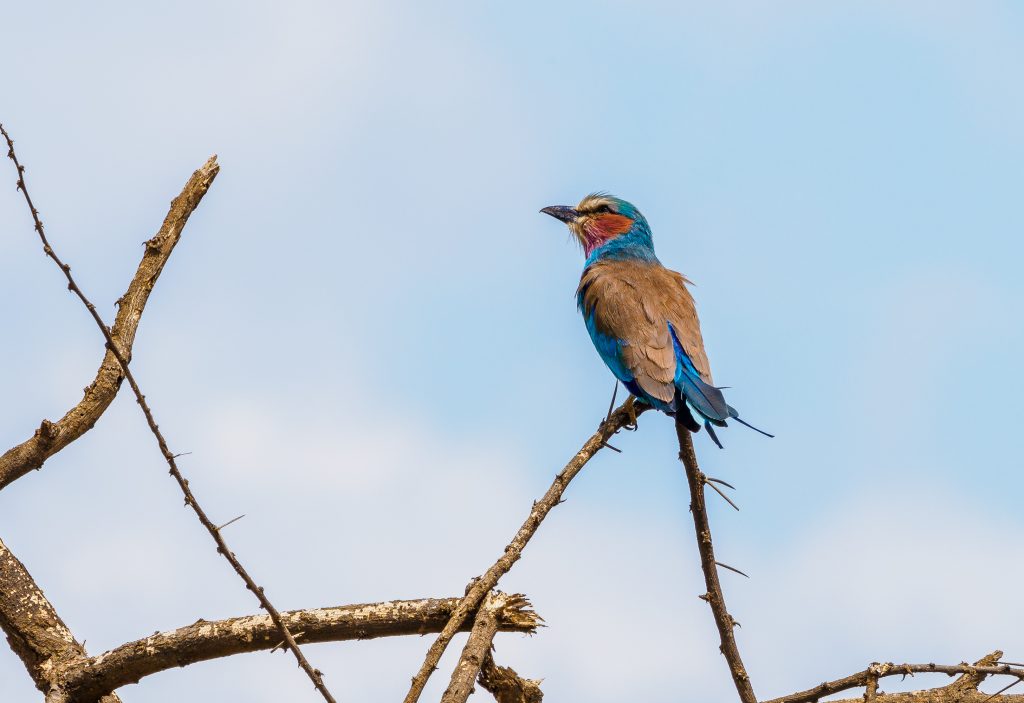
Bird’s Eye Safari
Bird’s Eye Safari
Bird’s Eye Safari: A Unique Perspective on African Wildlife
Introduction
A bird’s eye safari offers a unique and breathtaking way to experience the vast landscapes and incredible wildlife of Africa. Unlike traditional safaris, where travelers explore the wilderness from the ground, this type of safari provides an aerial view, allowing you to witness the grandeur of the African plains, rivers, and wildlife from above. Whether you’re soaring in a hot air balloon over the Serengeti or taking a helicopter ride over the Okavango Delta, the bird’s eye safari is an unforgettable experience that offers a fresh perspective on the beauty of the natural world.
In this article, we will dive deep into the concept of a bird’s eye safari, exploring its benefits, the best locations to experience it, and how it compares to traditional safaris. We’ll also provide tips for making the most of your aerial adventure and answer some frequently asked questions to help you plan your next African safari.
What Is a Bird’s Eye Safari?
A bird’s eye safari is an aerial safari that allows travelers to observe wildlife and landscapes from above. This can be done through various means, including:
- Hot air balloon rides: One of the most popular ways to experience a bird’s eye safari, especially in places like the Serengeti and Maasai Mara.
- Helicopter tours: Offering more flexibility and speed, helicopters can take you to remote areas that are difficult to access by land.
- Small plane flights: These are often used to transport guests between safari lodges, but they also provide an excellent opportunity to see the landscape from above.
- Drones: While not as immersive as physically being in the air, drones can capture stunning aerial footage of wildlife and landscapes.
Benefits of a Bird’s Eye Safari
There are several advantages to choosing a bird’s eye safari over a traditional ground-based safari:
- Unparalleled views: From the air, you can see the vastness of the African wilderness in a way that’s impossible from the ground. You’ll get a true sense of the scale of the landscape and the movement of wildlife across it.
- Unique wildlife sightings: While ground safaris offer close-up views of animals, aerial safaris allow you to see large herds of animals, such as wildebeest during the Great Migration, from a new perspective.
- Access to remote areas: Some parts of Africa are difficult to reach by vehicle, but a helicopter or small plane can take you to these remote locations, offering a more exclusive experience.
- Photographic opportunities: The aerial perspective provides photographers with unique angles and lighting conditions that are difficult to achieve on the ground.
Best Locations for a Bird’s Eye Safari
Africa is home to some of the most iconic wildlife destinations in the world, and many of them offer excellent opportunities for a bird’s eye safari. Here are some of the top locations:
1. Serengeti National Park, Tanzania
The Serengeti is famous for the Great Migration, where millions of wildebeest, zebras, and gazelles move across the plains in search of fresh grazing. A hot air balloon ride over the Serengeti offers a front-row seat to this incredible spectacle, as well as stunning views of the park’s diverse landscapes.
2. Maasai Mara, Kenya
The Maasai Mara is the northern extension of the Serengeti and is another prime location for a bird’s eye safari. Hot air balloon rides are popular here, especially during the migration season when the Mara River crossings are in full swing.
3. Okavango Delta, Botswana
The Okavango Delta is a unique ecosystem where the Okavango River fans out into a vast network of waterways, creating a lush oasis in the middle of the Kalahari Desert. Helicopter tours over the delta offer a bird’s eye view of this intricate landscape and the wildlife that inhabits it, including elephants, hippos, and crocodiles.
4. Victoria Falls, Zambia/Zimbabwe
One of the Seven Natural Wonders of the World, Victoria Falls is a must-see destination for any traveler to Africa. A helicopter ride over the falls provides a breathtaking view of the Zambezi River as it plunges into the gorge below, creating a misty spray that can be seen from miles away.
5. Namibia’s Skeleton Coast
The Skeleton Coast is one of the most remote and desolate places on Earth, but it’s also one of the most beautiful. Aerial tours of this region reveal a stark landscape of sand dunes, shipwrecks, and wildlife, including seals, jackals, and even desert-adapted elephants.
How to Prepare for a Bird’s Eye Safari
To make the most of your bird’s eye safari, it’s important to be well-prepared. Here are some tips to help you get ready for your aerial adventure:
- Book in advance: Aerial safaris are popular, especially during peak safari seasons, so it’s important to book your trip well in advance to secure your spot.
- Dress appropriately: Depending on the time of year and the type of aircraft, it can get chilly at higher altitudes, so be sure to dress in layers.
- Bring a camera: Aerial safaris offer incredible photographic opportunities, so don’t forget to bring a camera with a good zoom lens. A GoPro or drone can also be useful for capturing wide-angle shots.
- Be mindful of weight limits: Helicopters and small planes often have strict weight limits for passengers and luggage, so pack light and be prepared to leave some items behind.
- Stay hydrated: The excitement of an aerial safari can sometimes make travelers forget to drink water, but it’s important to stay hydrated, especially in hot climates.
Bird’s Eye Safari vs. Traditional Safari
While both types of safaris offer unique experiences, there are some key differences between a bird’s eye safari and a traditional ground-based safari:
| Feature | Bird’s Eye Safari | Traditional Safari |
|---|---|---|
| Perspective | Aerial view of landscapes and wildlife | Close-up views of animals on the ground |
| Wildlife sightings | Large herds, migration patterns | Individual animals, detailed behavior |
| Accessibility | Remote areas, hard-to-reach locations | Limited to roads and trails |
| Photographic opportunities | Unique angles, wide landscapes | Close-up shots of animals |
| Duration | Shorter, typically 1-2 hours | Longer, often full-day or multi-day trips |
Frequently Asked Questions (FAQ)
1. Is a bird’s eye safari safe?
Yes, bird’s eye safaris are generally very safe. Hot air balloon rides, helicopter tours, and small plane flights are operated by experienced pilots who are familiar with the local conditions. However, it’s always a good idea to check the safety record of the company you’re booking with and follow all instructions provided by the crew.
2. What is the best time of year for a bird’s eye safari?
The best time for a bird’s eye safari depends on the location. For example, the Great Migration in the Serengeti and Maasai Mara typically takes place between July and October, while the Okavango Delta is best visited during the dry season (May to October) when the water levels are high. Victoria Falls is most impressive during the rainy season (February to May), when the water flow is at its peak.
3. How much does a bird’s eye safari cost?
The cost of a bird’s eye safari varies depending on the location and the type of aircraft. Hot air balloon rides in the Serengeti or Maasai Mara typically cost between $400 and $600 per person, while helicopter tours in the Okavango Delta can range from $500 to $1,000 per person. Small plane flights are often included as part of a larger safari package.
4. Can I combine a bird’s eye safari with a traditional safari?
Yes, many travelers choose to combine a bird’s eye safari with a traditional ground-based safari to get the best of both worlds. For example, you might spend a few days on a game drive in the Serengeti, followed by a hot air balloon ride to see the landscape from above.
5. What should I bring on a bird’s eye safari?
For a bird’s eye safari, it’s important to bring a camera with a good zoom lens, as well as binoculars for spotting wildlife from a distance. Dress in layers to stay comfortable at higher altitudes, and don’t forget to bring sunscreen and a hat to protect yourself from the sun.
Conclusion
A bird’s eye safari offers a truly unique way to experience Africa’s incredible wildlife and landscapes. Whether you’re floating above the Serengeti in a hot air balloon or flying over the Okavango Delta in a helicopter, the aerial perspective provides a fresh and awe-inspiring view of the natural world. By combining a bird’s eye safari with a traditional ground-based safari, you can enjoy the best of both worlds and create memories that will last a lifetime.