
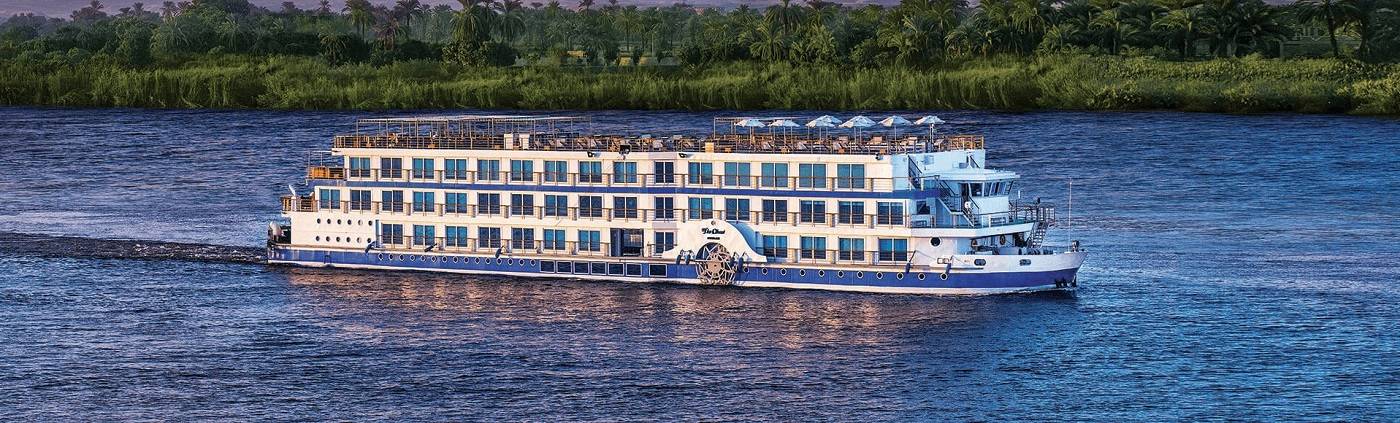
Nile Cruise
Nile Cruise
The Ultimate Guide to a Nile Cruise: Explore Egypt’s Ancient Wonders
Introduction
A Nile cruise is one of the most iconic and unforgettable ways to explore the rich history and breathtaking landscapes of Egypt. Stretching over 6,650 kilometers, the Nile River is the longest river in the world, and it has been the lifeblood of Egyptian civilization for thousands of years. From the majestic pyramids to the stunning temples scattered along its banks, a cruise down the Nile offers an immersive experience into the heart of ancient Egypt. In this article, we will delve into everything you need to know about a Nile cruise, from the best itineraries to the top tips for making the most of your journey.
Why Choose a Nile Cruise?
A Nile cruise offers a unique blend of relaxation and exploration. Unlike other forms of travel, a cruise allows you to drift along the river at a leisurely pace, taking in the sights and sounds of Egypt’s timeless landscapes. Here are a few reasons why a Nile cruise should be on your travel bucket list:
- Historical Significance: The Nile has been the lifeblood of Egypt for millennia, and many of the country’s most famous historical sites are located along its banks. A cruise allows you to visit these sites in a convenient and comfortable way.
- Luxury and Comfort: Many Nile cruises offer luxurious accommodations, fine dining, and world-class service, making the journey as enjoyable as the destinations.
- Scenic Views: As you sail down the Nile, you’ll be treated to stunning views of lush green fields, desert landscapes, and ancient monuments.
Best Time to Take a Nile Cruise
The best time to embark on a Nile cruise is during the cooler months, from October to April. During this period, the weather is more pleasant, with daytime temperatures ranging from 20°C to 30°C (68°F to 86°F), making it ideal for sightseeing and outdoor activities. The summer months, from May to September, can be extremely hot, with temperatures often exceeding 40°C (104°F), which can make exploring the ancient sites uncomfortable.
High Season vs. Low Season
- High Season (October-April): This is the most popular time for a Nile cruise, as the weather is more comfortable for sightseeing. However, it is also the busiest time, so you may encounter larger crowds at popular sites like the Valley of the Kings and Karnak Temple.
- Low Season (May-September): If you don’t mind the heat, traveling during the low season can offer some advantages, such as fewer tourists and lower prices on cruises and accommodations.
Popular Nile Cruise Itineraries
There are several different itineraries to choose from when planning a Nile cruise, ranging from short 3-day trips to longer 7-day journeys. Here are some of the most popular routes:
1. Luxor to Aswan (3-4 Days)
This is the most common and popular Nile cruise itinerary. It typically starts in Luxor, home to the famous Karnak Temple and the Valley of the Kings, and ends in Aswan, where you can visit the Aswan High Dam and the Temple of Philae. Along the way, you’ll stop at several other important sites, including the Temple of Edfu and the Temple of Kom Ombo.
2. Aswan to Luxor (3-4 Days)
This itinerary is essentially the reverse of the Luxor to Aswan route. It offers the same stops and experiences but starts in Aswan and ends in Luxor. This can be a good option if you’re flying into Aswan or prefer to end your trip in Luxor.
3. Extended Cruises (7 Days or More)
For those who want to explore more of Egypt, there are longer cruises that include additional stops, such as Abu Simbel, Dendera, and Abydos. These extended itineraries offer a more in-depth exploration of Egypt’s ancient history and are ideal for history buffs or those with more time to spare.
Top Attractions on a Nile Cruise
A Nile cruise offers the opportunity to visit some of the most iconic and historically significant sites in Egypt. Here are a few must-see attractions:
1. Karnak Temple
Located in Luxor, the Karnak Temple is one of the largest religious complexes in the world. It was built over a period of 2,000 years and is dedicated to the god Amun-Ra. The temple’s massive columns, towering obelisks, and intricate carvings are a testament to the grandeur of ancient Egyptian architecture.
2. Valley of the Kings
The Valley of the Kings is the final resting place of many of Egypt’s pharaohs, including the famous Tutankhamun. Located on the west bank of the Nile near Luxor, the valley is home to over 60 tombs, many of which are adorned with intricate hieroglyphs and stunning wall paintings.
3. Temple of Philae
The Temple of Philae is located on an island in the Nile near Aswan. It was dedicated to the goddess Isis and is one of the most beautifully preserved temples in Egypt. The temple was relocated to its current location in the 1960s to save it from being submerged by the rising waters of the Aswan High Dam.
4. Temple of Edfu
The Temple of Edfu is dedicated to the falcon-headed god Horus and is one of the best-preserved temples in Egypt. It is located between Luxor and Aswan and is a popular stop on many Nile cruise itineraries.
5. Abu Simbel
Although not located directly on the Nile, Abu Simbel is often included as an optional excursion on longer Nile cruises. The site is home to two massive rock temples built by Ramses II. The temples were also relocated in the 1960s to save them from being submerged by the waters of Lake Nasser.
Tips for a Successful Nile Cruise
To make the most of your Nile cruise, here are a few tips to keep in mind:
- Book in Advance: Nile cruises can fill up quickly, especially during the high season, so it’s a good idea to book your cruise well in advance.
- Choose the Right Cabin: If possible, opt for a cabin with a view of the Nile. Many cruise ships offer cabins with large windows or balconies, allowing you to enjoy the scenic views from the comfort of your room.
- Pack Light: While most Nile cruises are relatively casual, it’s important to pack comfortable clothing, especially for sightseeing. Lightweight, breathable fabrics are ideal for the hot Egyptian climate.
- Stay Hydrated: The Egyptian sun can be intense, so be sure to drink plenty of water throughout your trip to stay hydrated.
- Hire a Guide: Many Nile cruises offer the option to hire a private guide for your excursions. A knowledgeable guide can provide valuable insights into the history and significance of the sites you visit.
Frequently Asked Questions (FAQ)
1. What is the best time of year to take a Nile cruise?
The best time to take a Nile cruise is during the cooler months, from October to April, when the weather is more comfortable for sightseeing.
2. How long does a typical Nile cruise last?
Most Nile cruises last between 3 and 7 days, depending on the itinerary. The most popular route, from Luxor to Aswan, typically takes 3-4 days.
3. What should I pack for a Nile cruise?
When packing for a Nile cruise, it’s important to bring lightweight, breathable clothing, comfortable shoes for sightseeing, sunscreen, and a hat to protect yourself from the sun.
4. Are Nile cruises suitable for families?
Yes, many Nile cruises are family-friendly and offer a range of activities and excursions suitable for all ages. However, it’s important to check with the cruise operator to ensure that the itinerary and accommodations are appropriate for your family.
5. Do I need a visa to travel to Egypt for a Nile cruise?
Yes, most travelers will need a visa to enter Egypt. You can obtain a visa upon arrival at the airport or apply for an e-visa online before your trip.
Conclusion
A Nile cruise is a once-in-a-lifetime experience that offers a unique way to explore the rich history and stunning landscapes of Egypt. Whether you’re a history enthusiast or simply looking for a relaxing getaway, a cruise down the Nile is sure to leave you with memories that will last a lifetime. From the awe-inspiring temples of Luxor and Aswan to the tranquil beauty of the Nile itself, this journey is a perfect blend of adventure, culture, and luxury.