
Nile Water Management
Nile Water Management
Nile Water Management: Challenges, Strategies, and Future Outlook
Introduction
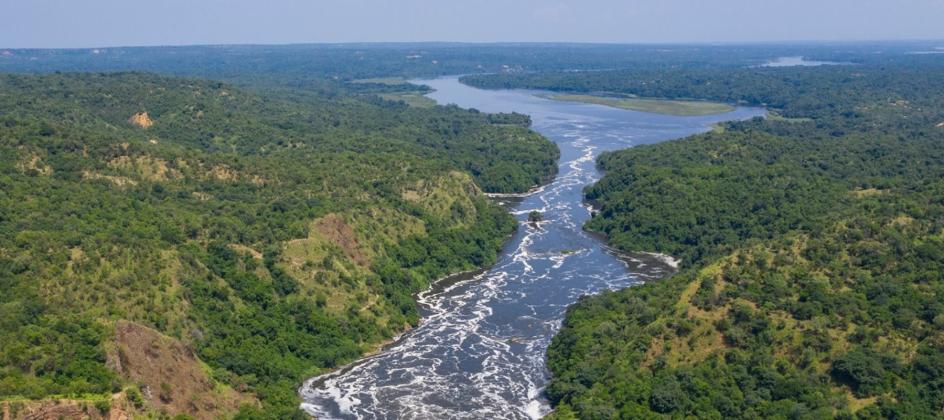
The Nile River, the longest river in the world, has been a lifeline for civilizations for millennia. Spanning over 6,650 kilometers and flowing through 11 countries, the Nile is a crucial resource for millions of people. However, managing its waters has become a complex issue due to rising populations, climate change, and competing national interests. In this article, we will explore the challenges of Nile water management, the strategies employed by the riparian countries, and the future outlook for this vital resource.
The Importance of the Nile River
The Nile River is not just a geographical feature; it is the backbone of life for many countries in northeastern Africa. The river provides water for drinking, agriculture, and industry, supporting the livelihoods of over 300 million people. Countries such as Egypt, Sudan, and Ethiopia are heavily dependent on the Nile for their water needs. In Egypt, for example, the Nile supplies over 90% of the country’s freshwater.
Historical Significance
For thousands of years, the Nile has been central to the development of ancient civilizations, particularly in Egypt. The river’s annual flooding deposited nutrient-rich silt on the banks, making the land fertile for agriculture. This allowed ancient Egypt to become one of the most prosperous civilizations in history.
Modern-Day Dependence
Today, the Nile continues to be a critical resource for agriculture, especially in countries like Egypt and Sudan, where arid climates make irrigation essential. However, the increasing demand for water, coupled with environmental changes, has made managing the river’s resources a pressing issue.
Challenges in Nile Water Management
Population Growth
One of the primary challenges in managing the Nile’s water resources is the rapid population growth in the region. Countries like Ethiopia, Uganda, and Sudan have seen significant increases in population, leading to higher demand for water. This has put immense pressure on the Nile, as more water is needed for agriculture, industry, and domestic use.
Climate Change
Climate change is another major factor affecting the Nile. Rising temperatures and changing rainfall patterns are altering the river’s flow. For instance, some regions may experience more intense floods, while others may suffer from prolonged droughts. These changes make it difficult to predict water availability and plan for future needs.
Competing National Interests
The Nile flows through 11 countries, each with its own needs and priorities. This has led to tensions, particularly between downstream countries like Egypt and Sudan, and upstream countries like Ethiopia. Egypt, for example, relies heavily on the Nile for its water supply and has historically opposed any projects that could reduce the river’s flow. On the other hand, Ethiopia has been working on the Grand Ethiopian Renaissance Dam (GERD), which has raised concerns in Egypt and Sudan about potential water shortages.
Legal and Political Disputes
The legal framework governing the Nile’s waters is outdated and has been a source of contention among the riparian countries. The 1929 Nile Waters Agreement, which was signed between Egypt and Sudan, gave Egypt significant control over the river’s waters. However, upstream countries, including Ethiopia, have argued that this agreement is unfair and does not reflect the current realities of the region.
Strategies for Nile Water Management
Cooperative Framework Agreements
To address the challenges of managing the Nile’s waters, several countries have been working on cooperative framework agreements. These agreements aim to promote equitable sharing of the river’s resources and reduce tensions between the riparian states. One such initiative is the Nile Basin Initiative (NBI), which was launched in 1999 to foster cooperation among the Nile countries.
Water Conservation and Efficiency
Improving water conservation and efficiency is another key strategy for managing the Nile’s resources. Countries like Egypt have been investing in modern irrigation techniques, such as drip irrigation, to reduce water wastage. Additionally, efforts are being made to improve water storage infrastructure, such as dams and reservoirs, to better manage the river’s flow during times of drought or flooding.
Sustainable Agriculture Practices
Agriculture is the largest consumer of water in the Nile Basin, accounting for over 80% of total water usage. To reduce the strain on the river, countries are exploring sustainable agriculture practices, such as crop rotation, organic farming, and the use of drought-resistant crops. These practices can help reduce water consumption while maintaining agricultural productivity.
Regional Cooperation
Regional cooperation is essential for the long-term management of the Nile’s waters. Countries must work together to develop a comprehensive water management plan that takes into account the needs of all riparian states. This includes sharing data on water usage, rainfall, and river flow, as well as coordinating efforts to mitigate the impacts of climate change.
The Future of Nile Water Management
The Role of Technology
Technology will play a crucial role in the future of Nile water management. Advances in remote sensing, satellite imagery, and data analytics can help countries monitor the river’s flow and predict changes in water availability. These tools can also be used to optimize water usage in agriculture and industry, reducing the overall demand on the river.
Addressing Political Tensions
Addressing the political tensions surrounding the Nile will be critical for ensuring the sustainable management of its waters. Diplomatic efforts, such as mediation and negotiation, will be needed to resolve disputes between countries like Egypt, Sudan, and Ethiopia. International organizations, such as the United Nations and the African Union, can play a key role in facilitating these discussions.
Climate Adaptation Strategies
As climate change continues to affect the Nile, countries will need to develop climate adaptation strategies to ensure water security. This may include building more resilient infrastructure, such as flood defenses and drought-resistant crops, as well as implementing policies that promote water conservation and efficiency.
Conclusion
The management of the Nile’s waters is a complex issue that requires cooperation, innovation, and long-term planning. With the right strategies in place, the riparian countries can ensure that the river continues to provide for future generations. However, this will require addressing the challenges of population growth, climate change, and political tensions. By working together and embracing new technologies, the Nile countries can create a sustainable future for this vital resource.
FAQ
1. What are the main challenges in managing the Nile’s water resources?
The main challenges include population growth, climate change, and competing national interests. These factors have increased the demand for water and made it more difficult to manage the river’s flow.
2. How does climate change affect the Nile?
Climate change is altering rainfall patterns and increasing the frequency of extreme weather events, such as floods and droughts. This makes it harder to predict water availability and plan for future needs.
3. What is the Grand Ethiopian Renaissance Dam (GERD)?
The GERD is a large dam being constructed by Ethiopia on the Blue Nile. It has raised concerns in downstream countries, particularly Egypt and Sudan, about potential water shortages.
4. How can countries improve water conservation in the Nile Basin?
Countries can improve water conservation by investing in modern irrigation techniques, such as drip irrigation, and promoting sustainable agriculture practices that reduce water consumption.
5. What role does regional cooperation play in Nile water management?
Regional cooperation is essential for the long-term management of the Nile’s waters. Countries must work together to develop a comprehensive water management plan that takes into account the needs of all riparian states.
By addressing these challenges and embracing new technologies, the Nile countries can create a sustainable future for this vital resource.