
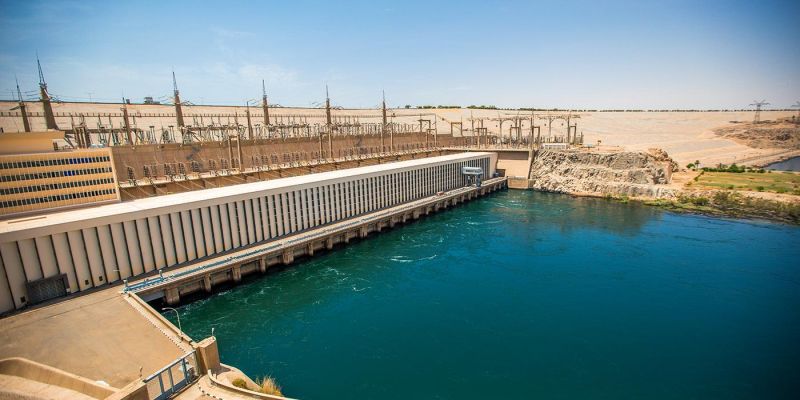
Aswan Dam
Aswan Dam
The Aswan Dam: Engineering Marvel and Environmental Impact
The Aswan Dam, located on the Nile River in Egypt, is one of the most significant engineering feats of the 20th century. This massive structure, which consists of both the Aswan High Dam and the earlier Aswan Low Dam, has had profound effects on Egypt’s economy, agriculture, and environment. While it has brought numerous benefits, such as flood control, irrigation, and hydroelectric power, it has also sparked debates regarding its environmental and social impacts.
The History of the Aswan Dam
The Aswan Low Dam
The first attempt to control the flow of the Nile River was the construction of the Aswan Low Dam, completed in 1902. At the time, the dam was a groundbreaking project designed to help regulate the flow of the Nile, which had historically caused both devastating floods and severe droughts. The Low Dam was primarily built to improve irrigation for Egypt’s agricultural sector, allowing farmers to cultivate crops year-round.
However, as Egypt’s population grew and the demand for water increased, the limitations of the Aswan Low Dam became apparent. It was unable to store enough water to meet the country’s needs or to provide sufficient flood control. This led to the conception of a much larger and more ambitious project: the Aswan High Dam.
The Aswan High Dam
Construction of the Aswan High Dam began in 1960 and was completed in 1970. This colossal structure, standing 111 meters high and stretching 3,830 meters across, was designed to control the annual flooding of the Nile, provide water for irrigation, and generate hydroelectric power. The dam created Lake Nasser, one of the largest man-made lakes in the world, which serves as a reservoir for storing water.
The Aswan High Dam was a symbol of Egypt’s modernization and independence. It was funded in part by the Soviet Union after the United States and Britain withdrew their financial support. The dam’s completion was a major milestone in Egypt’s efforts to control its water resources and develop its economy.
Benefits of the Aswan Dam
Flood Control
One of the primary benefits of the Aswan High Dam is its ability to control the annual flooding of the Nile. Before the dam was built, the Nile’s floods were unpredictable, sometimes causing widespread destruction to crops and infrastructure. The dam has allowed Egypt to regulate the flow of water, preventing both floods and droughts.
Irrigation
The dam has also greatly improved Egypt’s agricultural sector by providing a reliable source of water for irrigation. The Nile’s water can now be stored during the rainy season and released during the dry season, allowing farmers to grow crops year-round. This has significantly increased Egypt’s agricultural output and contributed to the country’s food security.
Hydroelectric Power
Another major benefit of the Aswan High Dam is its ability to generate hydroelectric power. The dam’s turbines produce a significant portion of Egypt’s electricity, reducing the country’s reliance on fossil fuels and helping to power homes, businesses, and industries.
Economic Growth
The combination of improved irrigation, flood control, and hydroelectric power has contributed to Egypt’s economic growth. The dam has enabled the expansion of agriculture, industry, and infrastructure, helping to modernize the country and improve the standard of living for its citizens.
Environmental and Social Impacts of the Aswan Dam
While the Aswan High Dam has brought many benefits, it has also had significant environmental and social impacts. These effects have sparked ongoing debates about the long-term sustainability of the dam and its role in Egypt’s development.
Displacement of Communities
The construction of the Aswan High Dam and the creation of Lake Nasser led to the displacement of tens of thousands of people, including the Nubian communities that had lived along the Nile for centuries. These communities were forced to relocate, and many have struggled to rebuild their lives in new areas. The loss of their ancestral lands and cultural heritage has been a source of ongoing tension.
Environmental Changes
The dam has also caused significant changes to the environment. The regulation of the Nile’s flow has disrupted the natural sedimentation process, which has had a number of consequences:
- Soil Fertility: Before the dam was built, the Nile’s floods deposited nutrient-rich silt on the riverbanks, which helped to fertilize the soil. The dam has reduced the amount of silt reaching the lower Nile, leading to a decline in soil fertility and increased reliance on chemical fertilizers.
- Erosion: The reduction in sediment flow has also contributed to coastal erosion along the Mediterranean coast. Without the natural replenishment of sand and silt, Egypt’s coastline is slowly being eroded by the sea.
- Fisheries: The dam has affected the fish populations in the Nile and the Mediterranean. The reduction in nutrient-rich silt has led to a decline in fish stocks, which has had a negative impact on local fishing communities.
Water Quality
The creation of Lake Nasser has also led to changes in water quality. The stagnant water in the reservoir has become a breeding ground for parasites, such as the schistosomiasis parasite, which causes a debilitating disease that affects millions of people in Egypt. The dam has also led to an increase in water salinity, which has affected both agriculture and drinking water supplies.
The Future of the Aswan Dam
As Egypt’s population continues to grow and the demand for water increases, the Aswan High Dam will remain a critical part of the country’s infrastructure. However, the environmental and social challenges associated with the dam will need to be addressed in order to ensure its long-term sustainability.
Potential Solutions
There are a number of potential solutions that could help mitigate the negative impacts of the Aswan High Dam:
- Improved Irrigation Techniques: By adopting more efficient irrigation techniques, such as drip irrigation, Egypt could reduce its water consumption and improve agricultural productivity.
- Sediment Management: Efforts could be made to manage the flow of sediment through the dam, either by releasing water at certain times of the year or by using sediment traps to capture and redistribute silt.
- Environmental Monitoring: Ongoing monitoring of the dam’s environmental impacts could help identify problems early and allow for the implementation of targeted solutions.
Frequently Asked Questions (FAQ)
1. What is the purpose of the Aswan High Dam?
The Aswan High Dam was built to control the flow of the Nile River, provide water for irrigation, and generate hydroelectric power. It has helped to prevent floods and droughts, improve agricultural productivity, and provide electricity to millions of people in Egypt.
2. How has the Aswan High Dam affected agriculture in Egypt?
The dam has greatly improved Egypt’s agricultural sector by providing a reliable source of water for irrigation. However, it has also led to a decline in soil fertility due to the reduction in nutrient-rich silt that used to be deposited by the Nile’s floods.
3. What are the environmental impacts of the Aswan High Dam?
The dam has caused a number of environmental changes, including a decline in soil fertility, coastal erosion, and changes in fish populations. It has also affected water quality, leading to an increase in waterborne diseases and water salinity.
4. How has the Aswan High Dam affected local communities?
The construction of the dam and the creation of Lake Nasser led to the displacement of tens of thousands of people, including the Nubian communities. These communities were forced to relocate, and many have struggled to rebuild their lives in new areas.
5. What are the potential solutions to the negative impacts of the Aswan High Dam?
Potential solutions include improving irrigation techniques, managing the flow of sediment through the dam, and implementing environmental monitoring programs to address the dam’s long-term impacts.
Conclusion
The Aswan Dam is a remarkable engineering achievement that has played a crucial role in Egypt’s development. While it has brought many benefits, including flood control, irrigation, and hydroelectric power, it has also had significant environmental and social impacts. As Egypt looks to the future, it will need to find ways to address these challenges in order to ensure the long-term sustainability of this vital piece of infrastructure.