
Nile Pollution
Nile Pollution
The Growing Threat of Nile Pollution: Causes, Consequences, and Solutions
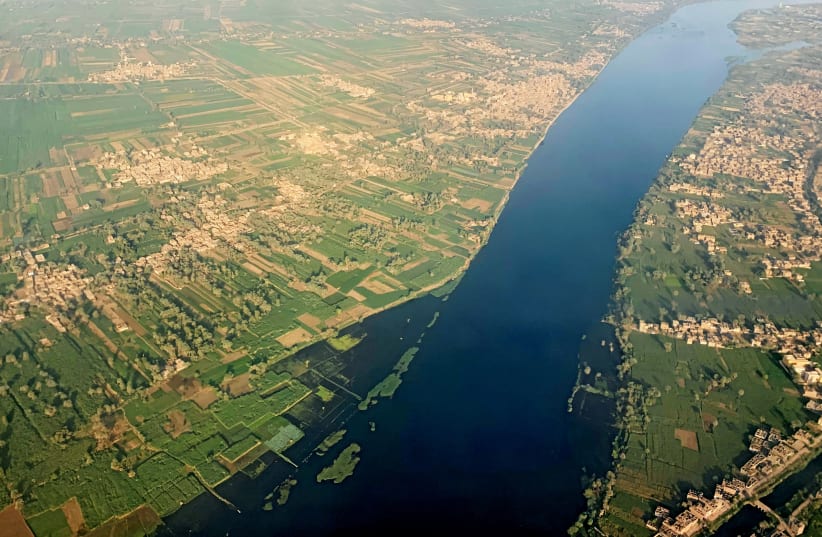
The Nile River, one of the longest and most historically significant rivers in the world, is facing a severe environmental crisis. Pollution levels in the Nile have been steadily increasing, threatening not only the ecosystem but also the millions of people who rely on the river for drinking water, agriculture, and industry. In this article, we will explore the causes of Nile pollution, its consequences on both the environment and human health, and potential solutions to mitigate this growing threat.
Causes of Nile Pollution
The pollution of the Nile River is a multifaceted issue, driven by a combination of human activities and natural factors. Below are the primary causes contributing to the degradation of the river’s water quality:
1. Industrial Discharge
One of the most significant contributors to Nile pollution is industrial discharge. Factories located along the riverbanks frequently release untreated or poorly treated wastewater directly into the Nile. This wastewater often contains harmful chemicals, heavy metals, and other toxic substances that can have devastating effects on aquatic life and human health.
- Textile factories: These industries are notorious for releasing dyes, solvents, and other chemicals into the river.
- Chemical plants: The discharge from these plants often contains hazardous materials such as mercury, lead, and cadmium.
- Food processing plants: Waste from these facilities can introduce organic pollutants into the river, leading to oxygen depletion and the death of aquatic organisms.
2. Agricultural Runoff
Agriculture is a major economic activity in the Nile Basin, but it also contributes significantly to the river’s pollution. Agricultural runoff occurs when rainwater washes pesticides, herbicides, and fertilizers from farmlands into the river. These chemicals not only contaminate the water but also lead to the growth of harmful algal blooms, which can deplete oxygen levels and create dead zones in the river.
- Pesticides: Chemicals used to kill pests can accumulate in the water, harming fish and other aquatic species.
- Fertilizers: High levels of nitrogen and phosphorus from fertilizers can cause eutrophication, leading to excessive plant growth and oxygen depletion.
- Sedimentation: Soil erosion from agricultural lands can increase the sediment load in the river, reducing water quality and harming aquatic habitats.
3. Domestic Waste
The rapid population growth in countries along the Nile, particularly in Egypt and Sudan, has led to an increase in domestic waste being dumped into the river. Many communities lack proper waste management systems, resulting in untreated sewage and household waste being released directly into the Nile.
- Sewage: Untreated sewage introduces harmful bacteria, viruses, and parasites into the water, posing a significant health risk to people who rely on the river for drinking water.
- Plastic waste: Plastic pollution is a growing concern, with large amounts of plastic debris accumulating in the river and eventually making its way to the Mediterranean Sea.
- Household chemicals: Detergents, cleaning products, and other household chemicals can contaminate the water and harm aquatic life.
4. Oil Spills and Shipping
The Nile River is a major transportation route for goods and people, but this also makes it vulnerable to oil spills and other forms of pollution from shipping activities. Accidental spills from oil tankers and leaks from ships can introduce petroleum products into the river, which can have long-lasting effects on water quality and aquatic ecosystems.
- Oil spills: Even small amounts of oil can have devastating effects on fish, birds, and other wildlife.
- Ballast water: Ships often discharge ballast water into the river, which can introduce invasive species and further disrupt the ecosystem.
- Waste from ships: Inadequate waste management on ships can result in the dumping of garbage and sewage into the river.
5. Climate Change
While not a direct cause of pollution, climate change is exacerbating the problem by altering rainfall patterns and increasing the frequency of extreme weather events. These changes can lead to more frequent and severe flooding, which can wash pollutants from the land into the river. Additionally, rising temperatures can increase the rate of evaporation, concentrating pollutants in the water.
Consequences of Nile Pollution
The pollution of the Nile River has far-reaching consequences for both the environment and human populations. Below are some of the most significant impacts:
1. Threats to Aquatic Life
The Nile River is home to a diverse range of aquatic species, including fish, amphibians, and invertebrates. However, pollution is threatening the survival of these species by degrading their habitats and introducing toxic substances into the water.
- Fish kills: Industrial chemicals, agricultural runoff, and sewage can lead to massive fish kills, disrupting the food chain and threatening the livelihoods of local fishermen.
- Loss of biodiversity: Pollution can cause the extinction of sensitive species, reducing the overall biodiversity of the river.
- Habitat destruction: Sedimentation from agricultural runoff can smother riverbeds, destroying critical habitats for fish and other aquatic organisms.
2. Human Health Risks
Millions of people rely on the Nile River for drinking water, but pollution is making the water unsafe for consumption. Contaminated water can lead to a range of health problems, including:
- Waterborne diseases: Bacteria, viruses, and parasites from untreated sewage can cause diseases such as cholera, dysentery, and typhoid fever.
- Heavy metal poisoning: Exposure to heavy metals such as mercury and lead can lead to serious health issues, including neurological damage and kidney failure.
- Cancer: Long-term exposure to certain industrial chemicals found in the river, such as benzene and dioxins, has been linked to an increased risk of cancer.
3. Economic Impact
The pollution of the Nile River also has significant economic consequences. The fishing industry, which provides livelihoods for thousands of people, is being severely impacted by declining fish populations. Additionally, the tourism industry, which relies on the beauty and historical significance of the Nile, is at risk as pollution makes the river less attractive to visitors.
- Declining fish stocks: Pollution is reducing the availability of fish, leading to economic losses for fishermen and higher prices for consumers.
- Tourism decline: The aesthetic and recreational value of the Nile is being diminished by pollution, which could lead to a decline in tourism revenue.
- Increased water treatment costs: As pollution levels rise, governments are being forced to invest in more expensive water treatment technologies to ensure that the water is safe for consumption.
Solutions to Nile Pollution
While the situation is dire, there are steps that can be taken to reduce pollution in the Nile River and protect this vital resource for future generations. Below are some potential solutions:
1. Strengthening Environmental Regulations
One of the most effective ways to combat Nile pollution is to strengthen environmental regulations and ensure that they are properly enforced. Governments in the Nile Basin countries need to implement stricter controls on industrial discharge, agricultural runoff, and domestic waste.
- Industrial regulations: Factories should be required to treat their wastewater before releasing it into the river.
- Agricultural practices: Farmers should be encouraged to use more sustainable farming practices, such as reducing the use of chemical fertilizers and pesticides.
- Waste management: Governments should invest in waste management infrastructure to prevent untreated sewage and household waste from being dumped into the river.
2. Promoting Sustainable Agriculture
Sustainable agriculture practices can help reduce the amount of pollutants entering the Nile River. This includes:
- Organic farming: Reducing the use of synthetic pesticides and fertilizers can help prevent agricultural runoff.
- Conservation tillage: This practice reduces soil erosion, which can help reduce sedimentation in the river.
- Buffer strips: Planting vegetation along riverbanks can help filter out pollutants before they enter the water.
3. Investing in Wastewater Treatment
Improving wastewater treatment infrastructure is essential for reducing pollution in the Nile. This includes building new treatment plants and upgrading existing ones to ensure that wastewater is properly treated before being released into the river.
- Sewage treatment: Governments should invest in modern sewage treatment facilities to prevent untreated sewage from entering the river.
- Industrial wastewater treatment: Factories should be required to install advanced wastewater treatment systems to remove harmful chemicals before discharging their effluent.
- Stormwater management: Cities should implement stormwater management systems to prevent pollutants from being washed into the river during heavy rains.
4. Raising Public Awareness
Public awareness campaigns can play a crucial role in reducing Nile pollution. By educating people about the importance of protecting the river and the steps they can take to reduce pollution, governments and NGOs can encourage more sustainable behaviors.
- Educational programs: Schools and community organizations can teach people about the impact of pollution on the Nile and how they can help reduce it.
- Media campaigns: Television, radio, and social media can be used to raise awareness about the issue and promote environmentally friendly practices.
- Community involvement: Local communities should be encouraged to participate in river clean-up efforts and other initiatives aimed at reducing pollution.
5. International Cooperation
The Nile River flows through multiple countries, making international cooperation essential for addressing the pollution problem. Countries in the Nile Basin should work together to develop a comprehensive plan for managing the river’s resources and reducing pollution.
- Transboundary agreements: Countries should negotiate agreements that set clear standards for pollution control and water management.
- Joint monitoring programs: Governments should establish joint monitoring programs to track pollution levels and ensure that all countries are meeting their commitments.
- Funding for environmental projects: International organizations and donor countries should provide financial support for projects aimed at reducing pollution in the Nile.
FAQ
1. What are the main sources of pollution in the Nile River?
The main sources of pollution in the Nile River include industrial discharge, agricultural runoff, domestic waste, oil spills, and climate change. These factors contribute to the degradation of water quality and harm both the environment and human health.
2. How does Nile pollution affect human health?
Nile pollution poses significant health risks, including the spread of waterborne diseases, heavy metal poisoning, and an increased risk of cancer. Contaminated water can lead to serious illnesses, particularly in communities that rely on the river for drinking water.
3. What are the economic impacts of Nile pollution?
Nile pollution has several economic consequences, including declining fish stocks, reduced tourism revenue, and increased water treatment costs. These impacts can harm local economies and reduce the quality of life for people living along the river.
4. What can be done to reduce pollution in the Nile?
To reduce pollution in the Nile, governments and communities should focus on strengthening environmental regulations, promoting sustainable agriculture, investing in wastewater treatment, raising public awareness, and fostering international cooperation.
5. How can individuals help protect the Nile from pollution?
Individuals can help protect the Nile by reducing their use of plastic, properly disposing of waste, supporting sustainable agriculture, and participating in river clean-up efforts. Public awareness and community involvement are key to reducing pollution and preserving the river for future generations.
By addressing the root causes of Nile pollution and implementing sustainable solutions, we can protect this vital resource and ensure that it continues to support the millions of people and diverse ecosystems that depend on it.