
Wildebeest Migration Photography
Wildebeest Migration Photography
Wildebeest Migration Photography: Capturing Nature’s Greatest Spectacle
The Great Wildebeest Migration is one of the most breathtaking natural events on Earth. Each year, over 1.5 million wildebeest, accompanied by hundreds of thousands of zebras and gazelles, traverse the vast plains of East Africa in search of greener pastures. This epic journey, spanning across Tanzania’s Serengeti and Kenya’s Maasai Mara, offers photographers a once-in-a-lifetime opportunity to capture the raw beauty and drama of the animal kingdom.
In this comprehensive guide, we will explore the best techniques, locations, and tips for capturing the wildebeest migration through your camera lens. Whether you’re a seasoned wildlife photographer or an enthusiastic beginner, this article will provide you with everything you need to know to make the most of this incredible experience.
The Essence of Wildebeest Migration Photography
The wildebeest migration is not just about the movement of animals; it’s a story of survival, instinct, and the delicate balance of nature. For photographers, it’s a chance to document:
- The sheer scale of the migration, with thousands of animals moving in unison.
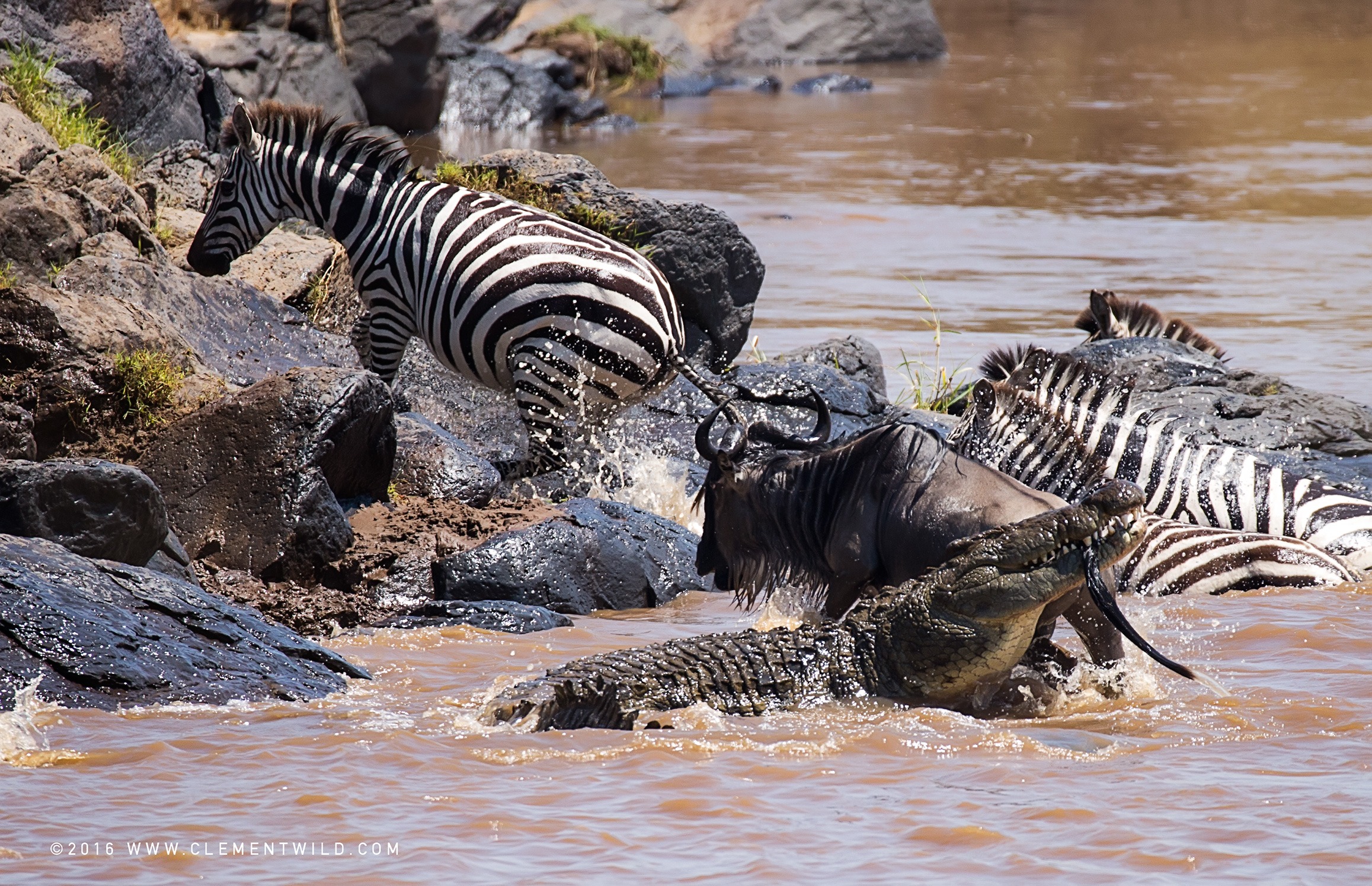
- The dramatic river crossings, where wildebeest face the peril of crocodile-infested waters.
- The interaction between predators and prey, with lions, cheetahs, and hyenas following the herds.
- The changing landscapes, from the golden plains of the Serengeti to the lush greenery of the Maasai Mara.
Why the Wildebeest Migration is a Photographer’s Dream
The Great Migration offers photographers a unique blend of action, emotion, and natural beauty. Here’s why it’s a must for any wildlife photography enthusiast:
- Unpredictability: No two migration experiences are the same. The timing, routes, and behavior of the herds can vary each year, making every shoot a new adventure.
- Diverse Subjects: Beyond the wildebeest, you’ll encounter zebras, gazelles, elephants, and a variety of predators, offering a wide range of photographic opportunities.
- Stunning Backdrops: The migration takes place in some of Africa’s most iconic landscapes, from the vast Serengeti plains to the dramatic Mara River.
- Action-Packed Moments: The river crossings, in particular, are filled with heart-stopping moments as wildebeest leap into the water, often pursued by crocodiles.
Best Locations for Wildebeest Migration Photography
To capture the migration at its best, it’s essential to be in the right place at the right time. The migration follows a circular route between Tanzania and Kenya, with different parts of the journey offering unique photographic opportunities.
1. Serengeti National Park, Tanzania
The Serengeti is where the migration begins and ends. From December to March, the southern Serengeti is home to the calving season, where thousands of wildebeest give birth. This is a fantastic time for photographers to capture:
- Newborn wildebeest taking their first steps.
- Predators like lions and cheetahs hunting the vulnerable young.
- The vast herds spread across the plains, creating stunning wide-angle shots.
2. Grumeti River, Western Serengeti
From May to July, the herds move towards the Grumeti River in the western Serengeti. This is the first major river crossing of the migration, and while it’s less dramatic than the Mara River, it still offers plenty of action. Photographers can capture:
- Wildebeest cautiously crossing the river.
- Crocodiles lurking in the water, waiting for an opportunity to strike.
- The lush, green landscapes of the western Serengeti.
3. Maasai Mara, Kenya
The Maasai Mara is perhaps the most famous location for photographing the migration, particularly during the dramatic Mara River crossings. From July to October, the herds gather on the banks of the river, creating some of the most iconic wildlife photography moments:
- Wildebeest leaping into the river en masse.
- Crocodiles attacking the crossing animals.
- The dust and chaos of thousands of animals moving together.
4. Northern Serengeti, Tanzania
After crossing the Mara River, the herds move into the northern Serengeti. This area is less crowded with tourists than the Maasai Mara, making it an excellent option for photographers looking for a more peaceful experience. Here, you can capture:
- The wildebeest grazing in the lush grasslands.
- Predators like lions and hyenas stalking the herds.
- The beautiful, rolling hills of the northern Serengeti.
Essential Photography Tips for Capturing the Wildebeest Migration
Photographing the wildebeest migration can be challenging, but with the right preparation and techniques, you can capture stunning images that tell the story of this incredible event. Here are some essential tips to help you get the best shots:
1. Use the Right Gear
Wildlife photography requires specialized equipment to capture fast-moving animals and distant subjects. Here’s what you’ll need:
- Telephoto lens: A lens with a focal length of at least 300mm is essential for capturing distant wildlife.
- Wide-angle lens: To capture the vast landscapes and large herds, a wide-angle lens (16-35mm) is ideal.
- Tripod: A sturdy tripod will help you stabilize your camera, especially when using a telephoto lens.
- Camera with fast autofocus: The migration is full of action, so you’ll need a camera with fast autofocus and a high frame rate to capture the best moments.
2. Plan for Early Mornings and Late Afternoons
The best light for photography is during the golden hours—early morning and late afternoon. This soft, warm light will enhance the colors of your images and create beautiful shadows. Additionally, animals are more active during these times, increasing your chances of capturing dynamic shots.
3. Focus on the Eyes
When photographing wildlife, always try to focus on the animal’s eyes. This creates a strong connection between the subject and the viewer and adds emotion to your images. Use a single autofocus point and place it over the animal’s eye to ensure sharp focus.
4. Capture the Action
The wildebeest migration is full of action, from river crossings to predator chases. To capture these fast-moving moments, use a fast shutter speed (1/1000s or faster) to freeze the motion. If you want to convey a sense of movement, try using a slower shutter speed (1/60s to 1/250s) and panning with the animal as it moves.
5. Be Patient
Wildlife photography requires a lot of patience. You may need to wait hours for the perfect shot, especially during the river crossings. But when the moment comes, it will be worth the wait. Stay focused, keep your camera ready, and be prepared to capture the action as it unfolds.
Best Time to Photograph the Wildebeest Migration
The wildebeest migration is a year-round event, but certain times of the year offer better photographic opportunities. Here’s a breakdown of the best times to visit:
- December to March: Calving season in the southern Serengeti. This is a great time to photograph newborn wildebeest and predator activity.
- May to July: The herds move towards the Grumeti River in the western Serengeti. This is the first major river crossing of the migration.
- July to October: The herds cross the Mara River into the Maasai Mara. This is the most dramatic and action-packed time for photography.
- October to November: The herds move back into the northern Serengeti, offering quieter and less crowded photographic opportunities.
Frequently Asked Questions (FAQ)
1. What is the best time of year to photograph the wildebeest migration?
The best time to photograph the wildebeest migration depends on what you want to capture. The calving season (December to March) offers opportunities to photograph newborn wildebeest and predator activity, while the river crossings (July to October) are the most dramatic and action-packed.
2. What camera gear do I need for wildebeest migration photography?
For wildebeest migration photography, you’ll need a telephoto lens (300mm or longer), a wide-angle lens (16-35mm), a sturdy tripod, and a camera with fast autofocus and a high frame rate.
3. Where is the best place to photograph the wildebeest migration?
The best places to photograph the wildebeest migration are the Serengeti National Park in Tanzania and the Maasai Mara in Kenya. Each location offers unique photographic opportunities, from the calving season in the southern Serengeti to the dramatic river crossings in the Maasai Mara.
4. How can I capture the action of the wildebeest migration?
To capture the action of the wildebeest migration, use a fast shutter speed (1/1000s or faster) to freeze motion. For a sense of movement, try using a slower shutter speed (1/60s to 1/250s) and panning with the animal as it moves.
5. What should I focus on when photographing wildlife?
When photographing wildlife, always focus on the animal’s eyes. This creates a strong connection between the subject and the viewer and adds emotion to your images.
Conclusion
Photographing the wildebeest migration is a thrilling and rewarding experience. With the right preparation, gear, and techniques, you can capture stunning images that showcase the beauty and drama of this incredible natural event. Whether you’re drawn to the action of the river crossings or the quiet moments of the herds grazing on the plains, the Great Migration offers endless opportunities for photographers to create unforgettable images.
For more information on planning your wildebeest migration photography trip, be sure to check out our comprehensive guide on the best locations, times, and tips for capturing this extraordinary event.