
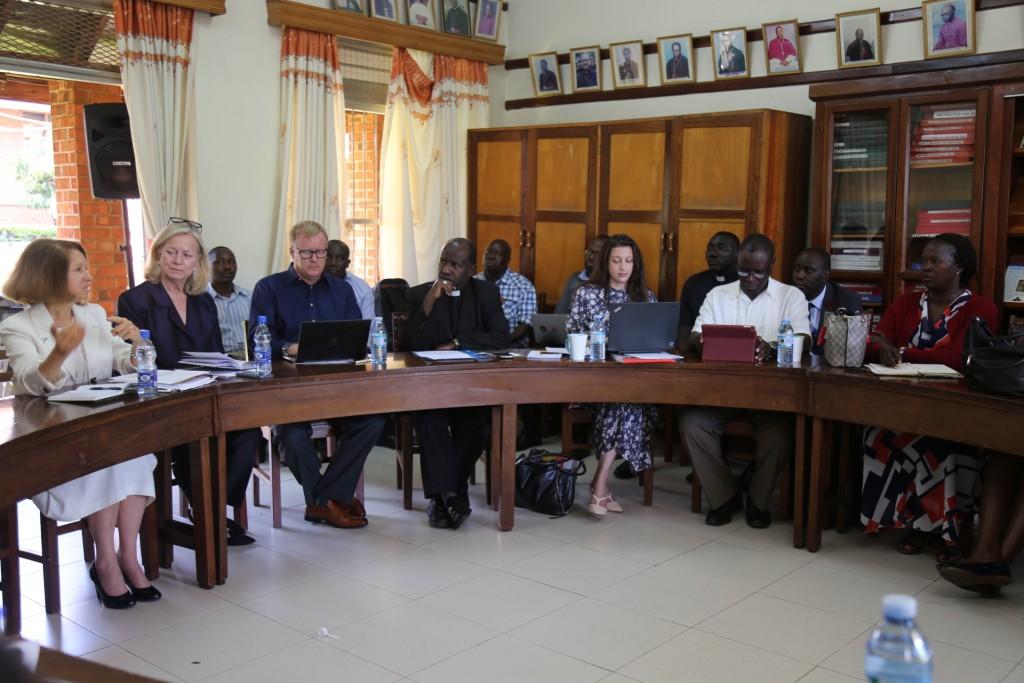
Faith-Based Organizations in Uganda
Faith-Based Organizations in Uganda
Faith-Based Organizations in Uganda: A Comprehensive Guide
Introduction
Faith-based organizations (FBOs) play a vital role in Uganda, contributing significantly to the country’s social, economic, and spiritual development. These organizations, rooted in religious beliefs, have been instrumental in addressing various societal challenges such as poverty, education, healthcare, and human rights. In Uganda, where religion is an integral part of daily life, FBOs have a unique influence on communities, often filling gaps left by government services.
In this article, we will explore the role of faith-based organizations in Uganda, their impact on society, and how they contribute to the country’s development. We will also discuss the challenges they face and provide insights into some of the most prominent FBOs operating in Uganda today.
The Role of Faith-Based Organizations in Uganda
Faith-based organizations in Uganda are deeply embedded in the fabric of society. They provide a wide range of services, including:
- Education: Many FBOs run schools and universities, offering affordable and sometimes free education to children and young adults. These institutions often provide moral and religious education alongside academic curricula.
- Healthcare: FBOs operate hospitals, clinics, and health centers, particularly in rural areas where access to government healthcare services is limited. They often provide essential services such as maternal care, HIV/AIDS treatment, and immunization programs.
- Social Services: Faith-based organizations are involved in various social services, including orphan care, support for the elderly, and rehabilitation programs for drug addicts and former prisoners.
- Human Rights Advocacy: Many FBOs in Uganda advocate for human rights, focusing on issues such as gender equality, child protection, and the rights of marginalized communities.
- Community Development: FBOs often engage in community development projects, including water and sanitation initiatives, agricultural programs, and microfinance schemes aimed at reducing poverty.
The Impact of Faith-Based Organizations on Ugandan Society
Faith-based organizations have a profound impact on Ugandan society. Their influence extends beyond the services they provide, as they often shape the moral and ethical values of the communities they serve. Some of the key impacts include:
- Poverty Alleviation: Through various programs, FBOs help reduce poverty by providing education, healthcare, and economic opportunities to disadvantaged communities. Their efforts in rural areas are particularly important, as these regions are often neglected by government programs.
- Education and Literacy: FBOs have played a crucial role in improving literacy rates in Uganda. By establishing schools and offering scholarships, they have made education accessible to children from low-income families.
- Healthcare Access: In a country where healthcare infrastructure is often lacking, FBOs fill a critical gap by providing medical services in underserved areas. Their work in combating diseases such as malaria, HIV/AIDS, and tuberculosis has saved countless lives.
- Moral and Ethical Guidance: Faith-based organizations are often seen as moral authorities in their communities. They provide guidance on issues such as family life, marriage, and community cohesion, helping to maintain social stability.
- Human Rights and Social Justice: Many FBOs advocate for social justice and human rights, particularly for vulnerable groups such as women, children, and refugees. Their efforts have contributed to greater awareness of human rights issues in Uganda.
Prominent Faith-Based Organizations in Uganda
Several faith-based organizations have made significant contributions to Uganda’s development. Some of the most prominent include:
1. Uganda Joint Christian Council (UJCC)
The Uganda Joint Christian Council is an umbrella organization that brings together various Christian denominations in Uganda. It focuses on promoting unity among Christians and addressing social issues such as poverty, corruption, and human rights abuses.
2. Caritas Uganda
Caritas Uganda is the social arm of the Catholic Church in Uganda. It is involved in a wide range of activities, including disaster relief, poverty reduction, and environmental conservation. Caritas Uganda also runs several health and education programs across the country.
3. Islamic Medical Association of Uganda (IMAU)
The Islamic Medical Association of Uganda is a faith-based organization that provides healthcare services, particularly in rural areas. It focuses on maternal and child health, HIV/AIDS prevention, and health education.
4. Watoto Church
Watoto Church is a Pentecostal church that operates several programs aimed at supporting vulnerable children, including orphan care, education, and healthcare. Watoto is also involved in community development projects and leadership training.
5. Inter-Religious Council of Uganda (IRCU)
The Inter-Religious Council of Uganda promotes interfaith dialogue and cooperation among Uganda’s religious communities. It works on issues such as peacebuilding, conflict resolution, and HIV/AIDS prevention.
Challenges Faced by Faith-Based Organizations in Uganda
Despite their significant contributions, faith-based organizations in Uganda face several challenges, including:
- Limited Funding: Many FBOs rely on donations and grants to fund their activities. However, securing consistent funding can be difficult, particularly for smaller organizations.
- Government Regulations: FBOs must navigate complex government regulations, including registration requirements and restrictions on foreign funding. These regulations can sometimes hinder their operations.
- Cultural and Religious Tensions: In a country with diverse religious beliefs, FBOs must be careful to avoid exacerbating religious tensions. Interfaith cooperation is essential, but it can be challenging to achieve in some areas.
- Sustainability: Many FBOs struggle with sustainability, particularly those that rely heavily on external funding. Developing long-term strategies for financial independence is a significant challenge.
- Capacity Building: Some FBOs lack the capacity to effectively manage large-scale projects. Training and capacity building are essential to ensure that these organizations can continue to deliver high-quality services.
The Future of Faith-Based Organizations in Uganda
The future of faith-based organizations in Uganda looks promising, but there are several areas where they can improve to enhance their impact:
- Increased Collaboration: FBOs should seek to collaborate more with each other, as well as with the government and international organizations. By working together, they can pool resources and expertise to address Uganda’s most pressing challenges.
- Focus on Sustainability: To ensure their long-term viability, FBOs must develop sustainable funding models. This could include income-generating activities or partnerships with the private sector.
- Capacity Building: Investing in capacity building will enable FBOs to manage larger and more complex projects. This includes training in project management, financial management, and monitoring and evaluation.
- Advocacy and Policy Influence: FBOs should continue to advocate for policies that promote social justice and human rights. By engaging with policymakers, they can help shape the future of Uganda’s development.
FAQs
1. What are faith-based organizations?
Faith-based organizations (FBOs) are non-profit organizations that are affiliated with religious institutions. They provide a wide range of services, including education, healthcare, and social services, often with a focus on promoting moral and ethical values.
2. How do faith-based organizations contribute to Uganda’s development?
FBOs contribute to Uganda’s development by providing essential services such as education, healthcare, and poverty alleviation programs. They also play a key role in promoting social justice and human rights.
3. What challenges do faith-based organizations face in Uganda?
FBOs in Uganda face several challenges, including limited funding, government regulations, cultural and religious tensions, sustainability issues, and capacity building needs.
4. How can faith-based organizations improve their impact?
FBOs can improve their impact by increasing collaboration with other organizations, focusing on sustainability, investing in capacity building, and advocating for policies that promote social justice and human rights.
5. What are some prominent faith-based organizations in Uganda?
Some of the most prominent FBOs in Uganda include the Uganda Joint Christian Council (UJCC), Caritas Uganda, the Islamic Medical Association of Uganda (IMAU), Watoto Church, and the Inter-Religious Council of Uganda (IRCU).
Conclusion
Faith-based organizations in Uganda are a powerful force for good, providing essential services and advocating for social justice in a country where many people face significant challenges. While they face several obstacles, their potential to contribute to Uganda’s development is immense. By focusing on collaboration, sustainability, and capacity building, FBOs can continue to make a lasting impact on Ugandan society.