
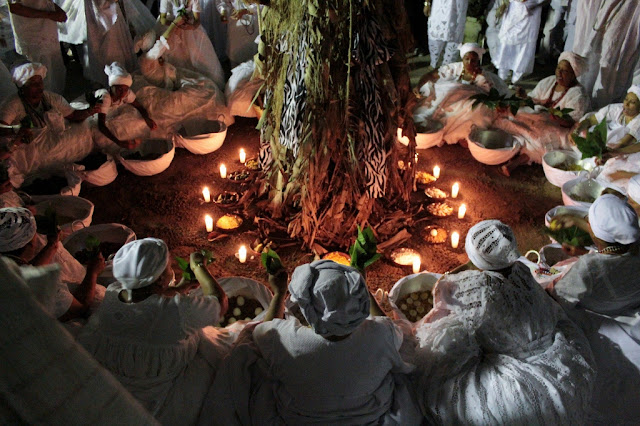
African Traditional Worship
Worship: A Deep Dive into Ancient Spiritual Practices
Introduction
African traditional worship represents a rich tapestry of spiritual practices, rituals, and beliefs that have been passed down through generations. Rooted in the diverse cultures of the African continent, these practices are deeply intertwined with the daily lives, values, and worldviews of the people. Unlike many organized religions, African traditional is not confined to a single doctrine or text but is instead a living, breathing system of spirituality that evolves with the community.
In this article, we will explore the core elements of African traditional, its significance in modern times, and how it continues to influence global spiritual practices. We will also address common misconceptions and provide a comprehensive FAQ to answer some of the most frequently asked questions about this ancient tradition.
The Essence of African Traditional Worship
The Role of Ancestors
One of the most significant aspects of African traditional is the veneration of ancestors. Ancestors are believed to act as intermediaries between the living and the spiritual world. They are honored through rituals, offerings, and prayers, and are considered protectors of the family and community. This deep respect for ancestors is a key element that distinguishes traditional worship from many other spiritual systems.
Polytheism and Deities
African traditional religions are often polytheistic, meaning they believe in multiple deities or spirits. These deities are typically associated with natural elements such as the sun, rain, rivers, and fertility. Each deity has specific attributes and responsibilities, and worshipers may call upon them for guidance, protection, or blessings. Some of the most well-known deities include Ogun, the god of iron and war in Yoruba tradition, and Nyame, the supreme god in Akan belief.
Sacred Rituals and Ceremonies
Rituals and ceremonies are central to African traditional worship. These rituals can range from simple daily prayers to elaborate festivals that involve dance, music, and offerings. Many of these ceremonies are designed to honor the deities, seek blessings, or mark important life events such as birth, marriage, and death.
Common Rituals in African Traditional Worship
- Libation: Pouring liquid (often water or alcohol) on the ground as an offering to the ancestors or deities.
- Divination: Seeking knowledge or guidance from the spiritual world through various methods, such as casting bones or consulting a spiritual healer.
- Sacrifice: Offering food, animals, or other items to the deities or ancestors as a sign of respect or to seek favor.
The Importance of Nature
Nature plays a crucial role in African traditional worship. Many African communities believe that the natural world is imbued with spiritual energy, and they view the earth, rivers, mountains, and trees as sacred. This connection to nature is reflected in their rituals, which often take place outdoors in natural settings. The respect for nature also extends to animals, which are sometimes seen as messengers or manifestations of the divine.
African Traditional Worship in Modern Times
Despite the spread of Christianity and Islam across Africa, traditional worship practices have persisted and, in many cases, have been integrated into these religions. For instance, many African Christians and Muslims continue to honor their ancestors or participate in traditional ceremonies alongside their religious practices.
In recent years, there has been a resurgence of interest in African traditional worship, both within Africa and among the African diaspora. This revival is often seen as a way to reconnect with cultural roots and reclaim a spiritual identity that was suppressed during colonialism.
The Global Influence of African Traditional Worship
African traditional worship has also had a significant impact on global spiritual practices. For example, Vodou in Haiti, Santería in Cuba, and Candomblé in Brazil all have roots in African traditional religions. These syncretic religions blend African spiritual practices with elements of Christianity and other belief systems, creating unique forms of worship that continue to thrive today.
Misconceptions About African Traditional Worship
There are many misconceptions about African traditional worship, often stemming from colonial narratives that sought to portray these practices as primitive or pagan. In reality, African traditional worship is a sophisticated and deeply philosophical system of belief that emphasizes harmony with nature, respect for ancestors, and the interconnectedness of all life.
Some common misconceptions include:
- Myth: African traditional worship is monolithic.
- Reality: Africa is home to thousands of distinct cultures, each with its own spiritual practices. There is no single “African religion.”
- Myth: African traditional worship is incompatible with modern life.
- Reality: Many Africans successfully integrate traditional worship with modern lifestyles and other religious beliefs.
- Myth: African traditional worship is superstitious or backward.
- Reality: These practices are based on a deep understanding of the natural world and the human condition, and they offer valuable insights into spirituality and community.
FAQ:
1. What is African traditional worship?
It refers to the spiritual practices, rituals, and beliefs of indigenous African cultures. It often involves the veneration of ancestors, the worship of deities, and a deep connection to nature.
2. How does African traditional worship differ from organized religions?
Unlike organized religions, African traditional does not have a single doctrine or holy text. It is a fluid and evolving system of spirituality that is deeply connected to the community and the natural world.
3. Can African traditional worship be practiced alongside other religions?
Yes, many Africans practice traditional worship alongside Christianity or Islam. This blending of beliefs is common and reflects the adaptability of African spiritual practices.
4. What role do ancestors play in African traditional worship?
Ancestors are revered as protectors and intermediaries between the living and the spiritual world. They are honored through rituals, offerings, and prayers, and are believed to influence the well-being of their descendants.
5. Is African traditional worship still practiced today?
Yes, It is still widely practiced across Africa and in the African diaspora. In recent years, there has been a resurgence of interest in these practices as people seek to reconnect with their cultural and spiritual roots.
Conclusion
African traditional worship is a rich and diverse spiritual system that has shaped the lives of millions of people across the continent and beyond. Its emphasis on community, nature, and the veneration of ancestors offers valuable insights into the human experience and continues to influence global spiritual practices. As more people seek to reconnect with their cultural heritage, African traditional worship remains a vital and evolving part of the spiritual landscape.