
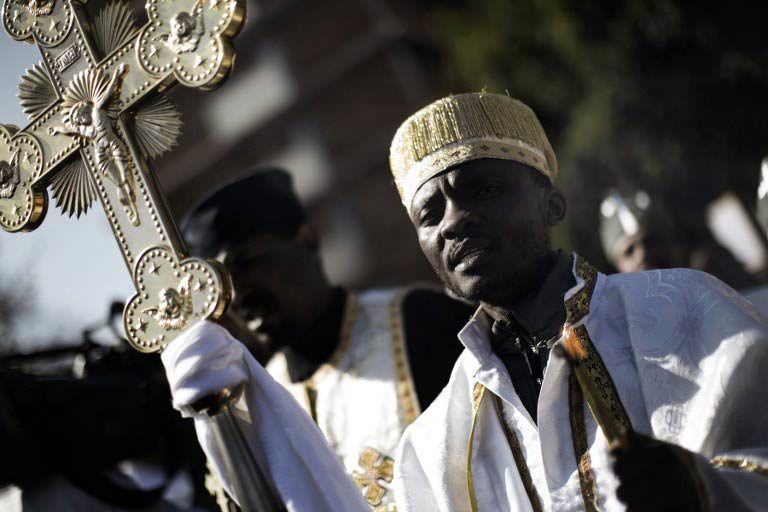
African Religions
A Deep Dive into Ancient Beliefs and Practices
Introduction
African religions are among the most diverse and complex belief systems in the world. With a rich history that spans thousands of years, these spiritual traditions have shaped the cultural, social, and political landscapes of the African continent. In this article, we will explore the various religions, their origins, practices, and their influence on modern-day spirituality. This comprehensive guide will also delve into how these religions have evolved and adapted over time, providing a thorough understanding of their significance.
The Origins of African Religions
The origins of African religions can be traced back to prehistoric times. These belief systems were deeply rooted in the natural environment, with many African communities worshipping gods and spirits associated with nature. The belief in a supreme being, ancestral spirits, and the interconnectedness of all living things are common themes in many religions.
Traditional African Religions
Traditional religions are often described as animistic, meaning they believe that all things—both living and non-living—have a spirit or soul. This belief in the spiritual essence of nature is central to many African religious practices. Some of the key features of traditional religions include:
- Ancestor worship: Ancestors are believed to play a significant role in the lives of the living, offering guidance and protection.
- Rituals and ceremonies: These are performed to honor the gods, spirits, and ancestors, often involving music, dance, and offerings.
- Divination: Many religions use divination to communicate with the spiritual world and seek guidance on important matters.
Major African Religions
While there are countless traditional religions, some of the most well-known include:
- Yoruba Religion: Originating in Nigeria, the Yoruba religion is one of the most influential African religions. It centers around the worship of a pantheon of gods known as Orishas.
- Vodun (Voodoo): Practiced in West Africa, particularly in Benin and Togo, Vodun is a religion that blends elements of ancestor worship, animism, and the veneration of spirits.
- Zulu Religion: The Zulu people of South Africa practice a religion that emphasizes the importance of ancestors and the belief in a supreme being known as Unkulunkulu.
The Role of Ancestors in African Religions
One of the most distinctive features of religions is the reverence for ancestors. In many African cultures, ancestors are seen as intermediaries between the living and the spiritual world. They are believed to have the power to influence the lives of their descendants, offering protection, guidance, and blessings.
Ancestral Worship Practices
Ancestral worship is often practiced through rituals and ceremonies that honor the spirits of the deceased. These practices may include:
- Libations: Pouring out a drink as an offering to the ancestors.
- Sacrifices: Offering food, animals, or other items to appease the spirits.
- Prayers: Communicating with the ancestors through prayer and meditation.
The Influence of African Religions on Modern Spirituality
Religions have had a profound impact on modern spirituality, particularly in the African diaspora. Many African spiritual practices have been incorporated into religions such as Christianity and Islam, creating unique syncretic traditions. For example:
- Santería: A religion that developed in Cuba, blending elements of the Yoruba religion with Catholicism.
- Candomblé: A Brazilian religion that combines African spiritual practices with Catholicism and indigenous beliefs.
- Haitian Vodou: A syncretic religion that blends African Vodun with elements of Catholicism and indigenous Taino beliefs.
African Religions and the African Diaspora
The transatlantic slave trade played a significant role in the spread of African religions to the Americas. Enslaved Africans brought their spiritual practices with them, and these traditions have continued to thrive in countries such as Brazil, Cuba, Haiti, and the United States.
The Evolution of African Religions
Religions have evolved over time, adapting to changing social, political, and environmental conditions. While some traditional practices have remained intact, others have been influenced by external factors such as colonization, globalization, and the spread of Christianity and Islam.
The Impact of Colonization on African Religions
The colonization of Africa by European powers had a profound impact on African religions. Many traditional practices were suppressed or discouraged by colonial authorities, who sought to impose Christianity and Western values on African societies. However, despite these efforts, religions have persisted and continue to play a vital role in the lives of many people across the continent.
The Role of African Religions in Contemporary Society
Today, African religions continue to be practiced by millions of people across the continent and in the diaspora. These belief systems have adapted to modern life, incorporating new ideas and practices while maintaining their core principles. In many African countries, traditional religions coexist alongside Christianity and Islam, creating a rich tapestry of spiritual diversity.
African Religions and the Environment
One of the most important aspects of African religions is their deep connection to the natural world. Many African spiritual practices are centered around the belief that all living things are interconnected and that humans have a responsibility to care for the environment. This belief is reflected in rituals and ceremonies that honor the spirits of the land, water, and animals.
Environmental Stewardship in African Religions
African religions often emphasize the importance of environmental stewardship, with many communities practicing sustainable agriculture, conservation, and other forms of environmental protection. Some of the ways in which religions promote environmental sustainability include:
- Sacred forests: Many African communities protect certain areas of land as sacred, believing that they are inhabited by spirits and should not be disturbed.
- Rituals for rain: In times of drought, African communities may perform rituals to ask the gods for rain and ensure a bountiful harvest.
- Animal conservation: Some religions prohibit the hunting or killing of certain animals, believing that they are sacred and should be protected.
Conclusion
Religions are a vital part of the continent’s cultural heritage, offering a unique perspective on spirituality, the environment, and the interconnectedness of all living things. These belief systems have evolved over time, adapting to changing circumstances while maintaining their core principles. Today, Religions continue to thrive, both on the continent and in the diaspora, offering valuable insights into the human experience and our relationship with the natural world.
FAQ
1. What are the main African religions?
The main religions include traditional belief systems such as the Yoruba religion, Vodun, and the Zulu religion. These religions are often animistic and emphasize the importance of ancestors, rituals, and the interconnectedness of all living things.
2. How do African religions view ancestors?
In many religions, ancestors are revered as intermediaries between the living and the spiritual world. They are believed to offer protection, guidance, and blessings to their descendants.
3. How have African religions influenced modern spirituality?
Religions have had a significant impact on modern spirituality, particularly in the African diaspora. Religions such as Santería, Candomblé, and Haitian Vodou blend African spiritual practices with elements of Christianity and indigenous beliefs.
4. How have African religions evolved over time?
Religions have evolved in response to social, political, and environmental changes. While some traditional practices have remained intact, others have been influenced by external factors such as colonization, globalization, and the spread of Christianity and Islam.
5. What role do African religions play in environmental stewardship?
Religions often emphasize the importance of environmental stewardship, with many communities practicing sustainable agriculture, conservation, and other forms of environmental protection. This belief is rooted in the idea that all living things are interconnected and that humans have a responsibility to care for the environment.