
African Clothing
African Clothing
The Rich Heritage and Modern Appeal of African Clothing
Introduction to African Clothing
African clothing is a vibrant and deeply symbolic aspect of the continent’s rich cultural heritage. It represents not only fashion but also history, identity, and tradition. From the intricate patterns of kente cloth to the bold designs of ankara fabrics, African attire has captivated the world with its unique beauty and storytelling. This article delves into the history, significance, and modern evolution of African clothing, exploring how it continues to influence global fashion trends.
The History and Cultural Significance of African Clothing
A Tapestry of Tradition
African clothing has a history that spans centuries, with each region and ethnic group contributing unique styles and techniques. Traditional garments often carry deep cultural meanings, reflecting:
- Social status: Certain fabrics, like kente, were historically reserved for royalty or special ceremonies.
- Spiritual beliefs: Many designs incorporate symbols representing deities, ancestors, or natural elements.
- Community identity: Patterns and colors often signify tribal affiliations or regional origins.
For example, the Zulu people of South Africa wear isidwaba, a leather skirt that symbolizes marital status, while the Tuareg people of the Sahara are known for their indigo-dyed robes, which protect against the harsh desert sun.
The Role of Textiles in African History
African textiles, such as mud cloth (bogolanfini) from Mali and adire from Nigeria, are not just decorative but also functional and symbolic. These fabrics were traditionally handmade using natural dyes and materials, with patterns that often told stories or conveyed messages. The art of weaving, dyeing, and embroidery has been passed down through generations, preserving the continent’s rich heritage.
Popular Types of African Clothing
1. Kente Cloth
Originating from Ghana, kente cloth is one of the most recognizable African textiles. It is handwoven using silk and cotton, with vibrant patterns that symbolize concepts like unity, prosperity, and creativity. Kente is often worn during significant events such as weddings, funerals, and festivals.
2. Ankara Fabric
Ankara, also known as African wax print, is a bold and colorful fabric that has gained global popularity. Its versatility makes it suitable for various garments, including dresses, skirts, and suits. Ankara’s patterns often reflect African proverbs, folklore, and social commentary.
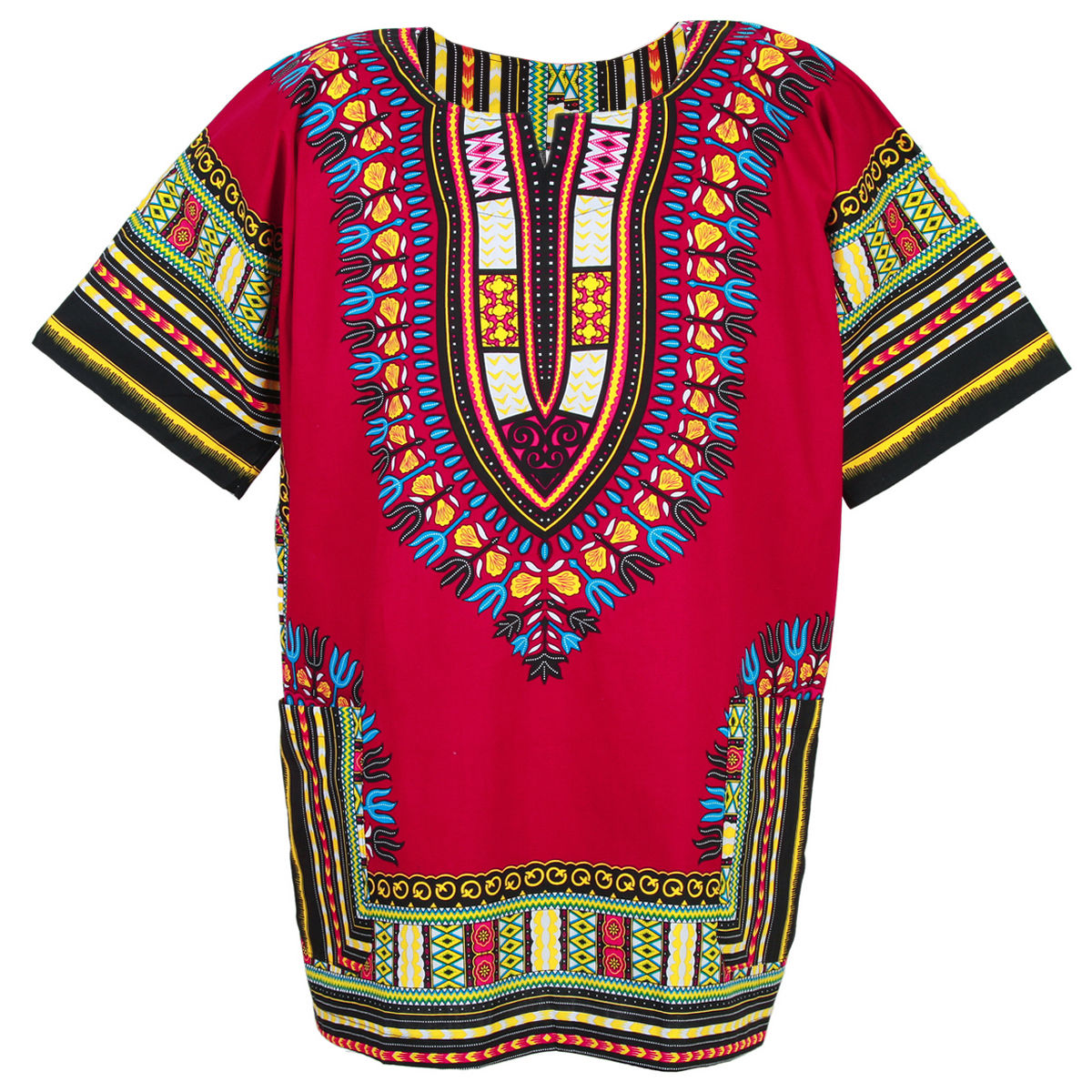
3. Dashiki
The dashiki is a loose-fitting, brightly colored shirt that originated in West Africa. It is known for its intricate embroidery and is often worn as a symbol of African pride and identity.
4. Kaftan
The kaftan is a long, flowing robe commonly worn in North and West Africa. It is both elegant and comfortable, making it a popular choice for formal occasions.
5. Mud Cloth (Bogolanfini)
This traditional fabric from Mali is made using fermented mud to create intricate patterns. It is often used for clothing, home decor, and ceremonial purposes.
The Modern Evolution of African Clothing
African Fashion on the Global Stage
In recent years, African clothing has gained international recognition, with designers incorporating traditional elements into contemporary fashion. Celebrities and influencers have embraced African prints and styles, bringing them to red carpets and runways worldwide.
The Rise of Sustainable Fashion
African clothing is also at the forefront of the sustainable fashion movement. Many designers prioritize ethical practices, using locally sourced materials and supporting artisans. This approach not only preserves traditional craftsmanship but also promotes economic growth in local communities.
Fusion of Tradition and Modernity
Modern African fashion blends traditional techniques with contemporary designs, creating garments that appeal to a global audience. For instance:
- Streetwear brands are incorporating African prints into casual clothing.
- Luxury designers are using African textiles in haute couture collections.
- Bridal fashion is embracing African-inspired wedding dresses and accessories.
How to Incorporate African Clothing into Your Wardrobe
If you’re looking to embrace African fashion, here are some tips:
- Start small: Incorporate accessories like headwraps, scarves, or jewelry made from African fabrics.
- Mix and match: Pair African prints with neutral pieces for a balanced look.
- Support local artisans: Purchase from ethical brands that work directly with African communities.
- Experiment with styles: Try different garments, such as a dashiki or a kaftan, to find what suits you best.
The Future of African Clothing
As African clothing continues to gain global recognition, it is poised to play a significant role in the future of fashion. The fusion of traditional craftsmanship with modern innovation ensures that African attire remains relevant and inspiring. By celebrating and preserving this rich heritage, we can honor the stories and cultures that make African clothing so unique.
FAQs About African Clothing
1. What is the significance of African clothing?
African clothing represents cultural identity, social status, and heritage. Each garment often carries symbolic meanings, reflecting the wearer’s community, beliefs, and traditions.
2. Where can I buy authentic African clothing?
You can purchase authentic African clothing from local markets, online stores specializing in African fashion, or directly from artisans and designers.
3. What are the most popular African fabrics?
Some of the most popular African fabrics include kente cloth, ankara, mud cloth, and adire. Each has its unique patterns, colors, and cultural significance.
4. Is African clothing sustainable?
Yes, many African designers focus on sustainable practices, using natural materials and supporting local artisans. This approach promotes ethical fashion and preserves traditional techniques.
5. Can anyone wear African clothing?
Absolutely! African clothing is for everyone. However, it’s essential to wear it respectfully and understand its cultural significance.