
Mabira Forest Guide
Mabira Forest Guide
The Ultimate Guide to Mabira Forest: A Hidden Gem in Uganda
Mabira Forest, one of Uganda’s most treasured natural wonders, is a sprawling tropical rainforest located between Kampala and Jinja. Known for its rich biodiversity, stunning landscapes, and eco-tourism opportunities, this forest is a must-visit for nature lovers, adventurers, and conservation enthusiasts alike. In this comprehensive guide, we’ll explore everything you need to know about Mabira Forest, from its history and wildlife to the activities you can enjoy and tips for visiting.
What Is Mabira Forest?
Mabira Forest is a tropical rainforest covering approximately 300 square kilometers in central Uganda. Situated along the Kampala-Jinja highway, it is one of the largest surviving rainforests in the country. The forest serves as a critical ecological zone, providing a habitat for hundreds of plant and animal species, many of which are endemic to the region. It also plays a vital role in regulating the local climate and supporting nearby communities.
A Brief History of Mabira Forest
Mabira Forest has been a part of Uganda’s natural heritage for centuries. Historically, it was considered sacred by the Baganda people, who used it for spiritual rituals and traditional medicine. However, during the colonial era, parts of the forest were cleared for agriculture and timber. In recent years, conservation efforts have been initiated to protect this invaluable ecosystem from deforestation and industrial encroachment.
Why Visit Mabira Forest?
Mabira Forest offers a unique blend of natural beauty, adventure, and cultural significance. Here are some reasons why it should be on your travel bucket list:
- Biodiversity: The forest is home to over 300 bird species, 200 butterfly species, and numerous mammals, reptiles, and amphibians.
- Adventure Activities: From hiking and zip-lining to mountain biking, Mabira Forest is a haven for thrill-seekers.
- Eco-Tourism: The forest is a model for sustainable tourism, with eco-lodges and guided tours that minimize environmental impact.
- Cultural Experiences: Learn about the traditional uses of the forest by local communities and their efforts to preserve it.
Top Attractions in Mabira Forest
1. Bird Watching
Mabira Forest is a paradise for bird enthusiasts. With over 300 bird species, including the rare Nahan’s Francolin and the Great Blue Turaco, it’s one of the best birding destinations in Uganda. Guided bird-watching tours are available to help you spot these incredible creatures.
2. Zip-Lining
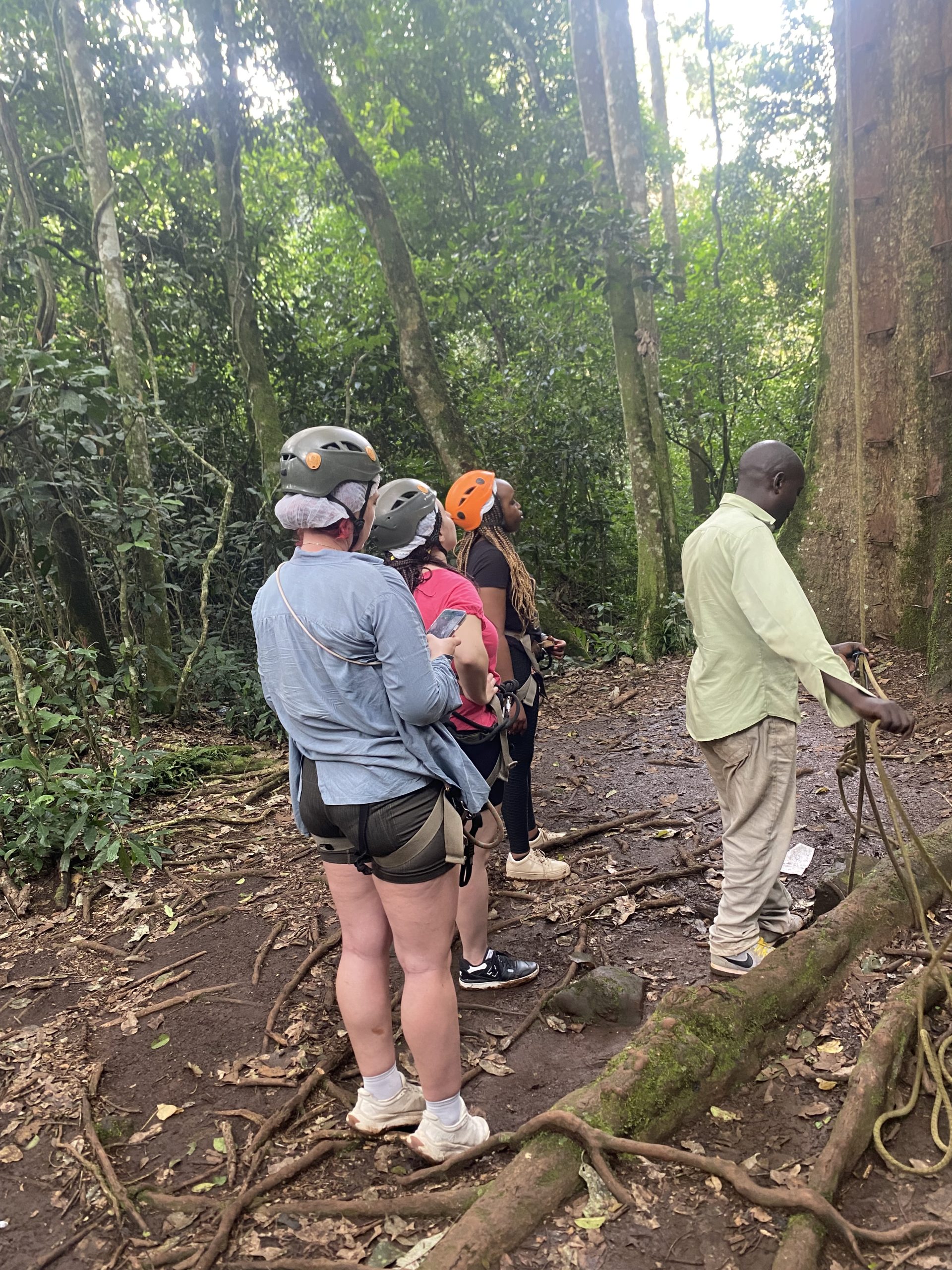
Experience the thrill of soaring through the forest canopy on a zip-line. This activity offers breathtaking views of the forest from above and is suitable for both beginners and experienced adventurers.
3. Nature Walks and Hiking
Explore the forest on foot with guided nature walks. The trails vary in difficulty, making them accessible to all fitness levels. Along the way, you’ll encounter unique flora and fauna, including ancient trees and medicinal plants.
4. Mountain Biking
For those who love cycling, Mabira Forest has well-maintained trails that wind through its lush greenery. Bike rentals are available, and guided tours can be arranged for an immersive experience.
5. Butterfly Watching
Mabira Forest is home to over 200 species of butterflies, making it a hotspot for lepidopterists and casual observers alike. The vibrant colors and patterns of these butterflies add to the forest’s enchanting atmosphere.
Wildlife in Mabira Forest
Mabira Forest is a biodiversity hotspot, hosting a wide range of species:
- Primates: Red-tailed monkeys, grey-cheeked mangabeys, and vervet monkeys are commonly spotted.
- Birds: Rare species like the Nahan’s Francolin, African Grey Parrot, and Great Blue Turaco.
- Mammals: Duikers, bush pigs, and squirrels.
- Reptiles and Amphibians: Various snakes, frogs, and lizards inhabit the forest.
- Insects: A diverse array of butterflies, beetles, and other insects.
Conservation Efforts
Mabira Forest faces threats from deforestation, illegal logging, and agricultural encroachment. However, several organizations and local communities are working tirelessly to protect it. Key conservation initiatives include:
- Reforestation Programs: Planting native tree species to restore degraded areas.
- Eco-Tourism: Promoting sustainable tourism to generate income for conservation.
- Community Involvement: Empowering local communities to participate in forest management and benefit economically from its preservation.
Tips for Visiting Mabira Forest
To make the most of your trip, keep these tips in mind:
- Best Time to Visit: The dry seasons (June to August and December to February) are ideal for outdoor activities.
- What to Bring: Comfortable hiking shoes, insect repellent, a camera, and binoculars for bird watching.
- Guided Tours: Hire a local guide to enhance your experience and learn more about the forest’s ecology.
- Respect Nature: Follow Leave No Trace principles to minimize your impact on the environment.
FAQs About Mabira Forest
1. Where is Mabira Forest located?
Mabira Forest is located in central Uganda, along the Kampala-Jinja highway, approximately 54 kilometers from Kampala.
2. What activities can I do in Mabira Forest?
You can enjoy bird watching, zip-lining, hiking, mountain biking, butterfly watching, and nature photography.
3. Is Mabira Forest safe for tourists?
Yes, Mabira Forest is generally safe for tourists. However, it’s recommended to visit with a guide and follow safety precautions.
4. Are there accommodations near Mabira Forest?
Yes, there are eco-lodges and guesthouses near the forest, such as the Rainforest Lodge Mabira and Griffin Falls Camp.
5. How can I contribute to Mabira Forest’s conservation?
You can support conservation efforts by participating in eco-tourism activities, donating to conservation organizations, and spreading awareness about the importance of preserving Mabira Forest.
Conclusion
Mabira Forest is more than just a destination—it’s a testament to the beauty and resilience of nature. Whether you’re a bird watcher, an adventurer, or someone seeking tranquility, this forest offers something for everyone. By visiting Mabira Forest, you’re not only immersing yourself in its wonders but also contributing to its preservation for future generations.