
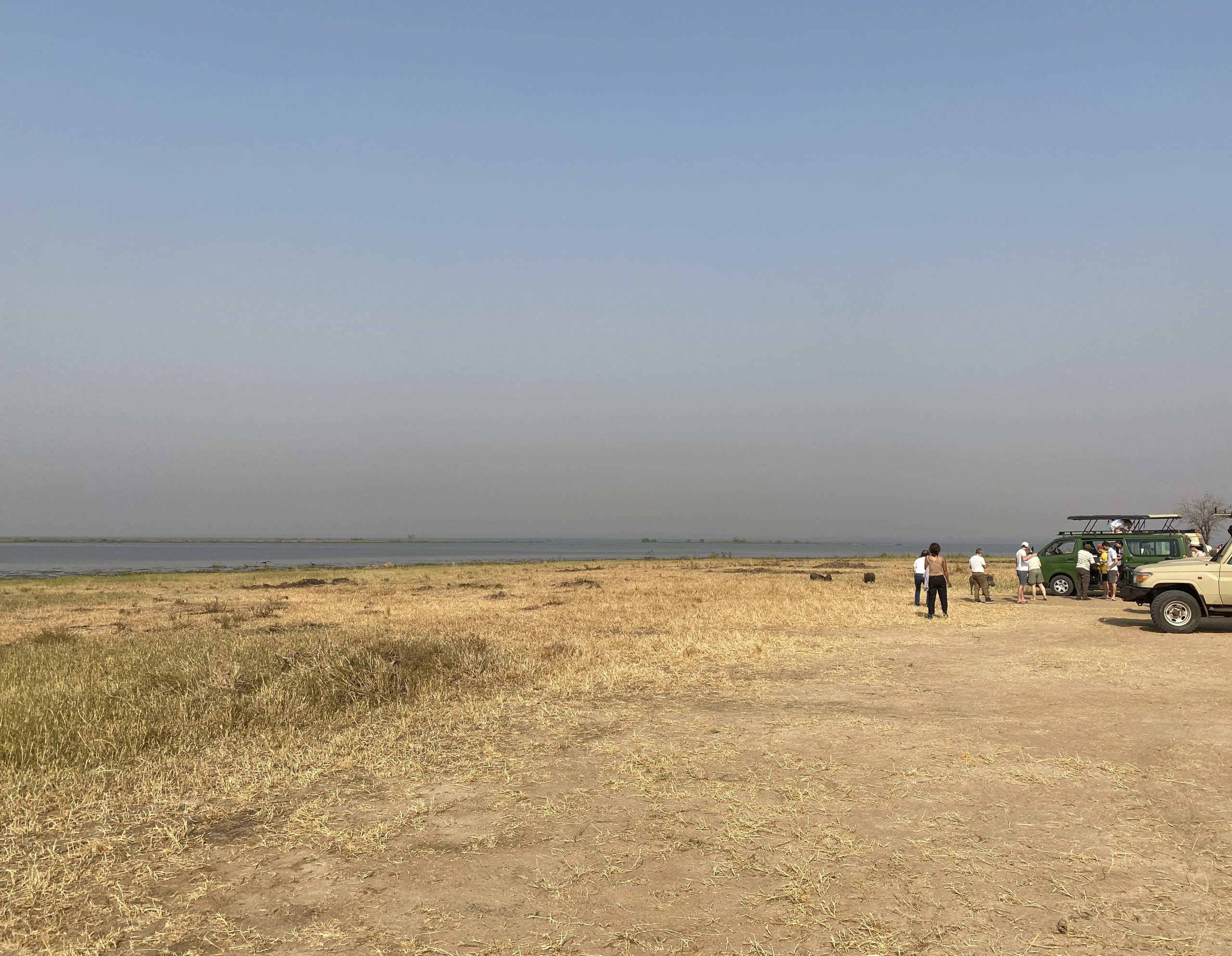
Uganda Hiking Tours
Uganda Hiking Tours
Uganda Hiking Tours: Exploring the Pearl of Africa on Foot
Uganda, often referred to as the “Pearl of Africa,” is a land of breathtaking landscapes, diverse wildlife, and vibrant cultures. For adventure enthusiasts, hiking tours in Uganda offer an unparalleled opportunity to explore its natural beauty up close. From the misty peaks of the Rwenzori Mountains to the rolling hills of Kigezi, Uganda is a haven for hikers seeking both challenge and serenity. This guide dives deep into the best hiking destinations, tips for planning your trip, and why Uganda is a must-visit for trekking enthusiasts.
Why Choose Uganda for Hiking?
Uganda’s diverse geography makes it a prime destination for hiking. The country boasts towering mountain ranges, lush rainforests, vast savannahs, and serene crater lakes. Whether you’re a seasoned trekker or a beginner, Uganda offers trails that cater to all levels of experience. Here are some compelling reasons to choose Uganda for your next hiking adventure:
- Diverse Landscapes: From the snow-capped peaks of the Rwenzori Mountains to the dense jungles of Bwindi Impenetrable Forest, Uganda’s varied terrain ensures a unique experience on every trail.
- Rich Biodiversity: Uganda is home to some of the world’s most iconic wildlife, including mountain gorillas, chimpanzees, and over 1,000 bird species. Many hiking trails pass through national parks, offering a chance to encounter these incredible creatures.
- Cultural Encounters: Hiking in Uganda often involves passing through local villages, where you can interact with communities and learn about their traditions and way of life.
- Off-the-Beaten-Path Adventures: Unlike more crowded hiking destinations, Uganda’s trails are relatively untouched, allowing for a more intimate connection with nature.
Top Hiking Destinations in Uganda
1. Rwenzori Mountains National Park
Known as the “Mountains of the Moon,” the Rwenzori Mountains are a UNESCO World Heritage Site and one of Africa’s most iconic hiking destinations. The range features snow-capped peaks, glacial lakes, and unique alpine vegetation.
- Highlights: Margherita Peak (5,109m), the third-highest point in Africa.
- Difficulty: Challenging; suitable for experienced hikers.
- Best Time to Visit: December to February and June to August.
2. Mount Elgon National Park
Mount Elgon, an extinct volcano, offers a less strenuous alternative to the Rwenzoris while still delivering stunning scenery. The park is famous for its vast caldera and unique caves.
- Highlights: Wagagai Peak (4,321m), Sipi Falls, and the hot springs.
- Difficulty: Moderate; suitable for most hikers.
- Best Time to Visit: Year-round, but avoid heavy rains in April and November.
3. Bwindi Impenetrable Forest
While Bwindi is best known for gorilla trekking, it also offers excellent hiking opportunities. The forest’s trails wind through dense vegetation, offering glimpses of rare wildlife and breathtaking views.
- Highlights: Gorilla encounters, waterfalls, and birdwatching.
- Difficulty: Moderate to challenging, depending on the trail.
- Best Time to Visit: June to September and December to February.
4. Mgahinga Gorilla National Park
This park is home to the Virunga Volcanoes, a series of dormant volcanic peaks that straddle the borders of Uganda, Rwanda, and the DRC. Hiking here combines stunning landscapes with the chance to see golden monkeys and gorillas.
- Highlights: Mount Muhabura, Mount Gahinga, and Mount Sabinyo.
- Difficulty: Moderate to challenging.
- Best Time to Visit: June to September and December to February.
5. Lake Bunyonyi
For a more relaxed hiking experience, the rolling hills around Lake Bunyonyi offer scenic trails with panoramic views of the lake and its islands. This area is perfect for beginners or those looking for a leisurely trek.
- Highlights: Island views, birdwatching, and cultural encounters.
- Difficulty: Easy to moderate.
- Best Time to Visit: Year-round.
Essential Tips for Hiking in Uganda
To make the most of your hiking adventure in Uganda, preparation is key. Here are some essential tips:
- Hire a Guide: Many trails in Uganda are remote and unmarked. Hiring a local guide ensures safety and enhances your experience with their knowledge of the area.
- Pack Appropriately: Bring sturdy hiking boots, waterproof clothing, a first-aid kit, and plenty of water. Don’t forget sunscreen and insect repellent.
- Acclimatize: For high-altitude hikes like the Rwenzori Mountains, spend a day or two acclimatizing to avoid altitude sickness.
- Respect Local Communities: Always seek permission before taking photos of people and be mindful of local customs.
- Plan for Permits: Some parks, like Bwindi and Mgahinga, require permits for activities such as gorilla trekking.
The Best Time for Hiking in Uganda
Uganda’s climate is generally favorable for hiking year-round, but the best times are during the dry seasons:
- December to February: Ideal for most trails, with clear skies and minimal rainfall.
- June to September: Another excellent period, especially for gorilla trekking and mountain climbing.
Avoid the heavy rainy seasons (March to May and October to November), as trails can become slippery and challenging.
FAQs About Uganda Hiking Tours
1. What is the best hiking trail in Uganda?
The best trail depends on your preferences and fitness level. For a challenging adventure, the Rwenzori Mountains are ideal. For wildlife encounters, Bwindi and Mgahinga are top choices.
2. Do I need a permit for hiking in Uganda?
Permits are required for certain activities, such as gorilla trekking in Bwindi and Mgahinga. For general hiking, permits may not be necessary, but park entry fees apply.
3. Is hiking in Uganda safe?
Yes, hiking in Uganda is generally safe, especially when accompanied by a local guide. Always follow park regulations and stay on designated trails.
4. What should I pack for a hiking trip in Uganda?
Pack sturdy hiking boots, waterproof clothing, sunscreen, insect repellent, a first-aid kit, and plenty of water. For high-altitude hikes, include warm layers.
5. Can I combine hiking with other activities in Uganda?
Absolutely! Many hiking destinations are near other attractions. For example, you can combine gorilla trekking in Bwindi with a safari in Queen Elizabeth National Park or a boat ride on the Nile.
Conclusion
Uganda’s hiking tours offer a unique blend of adventure, natural beauty, and cultural immersion. Whether you’re scaling the peaks of the Rwenzori Mountains, trekking through the dense jungles of Bwindi, or exploring the serene landscapes around Lake Bunyonyi, Uganda promises an unforgettable experience. With proper planning and the guidance of local experts, your hiking adventure in the Pearl of Africa will be nothing short of extraordinary.