
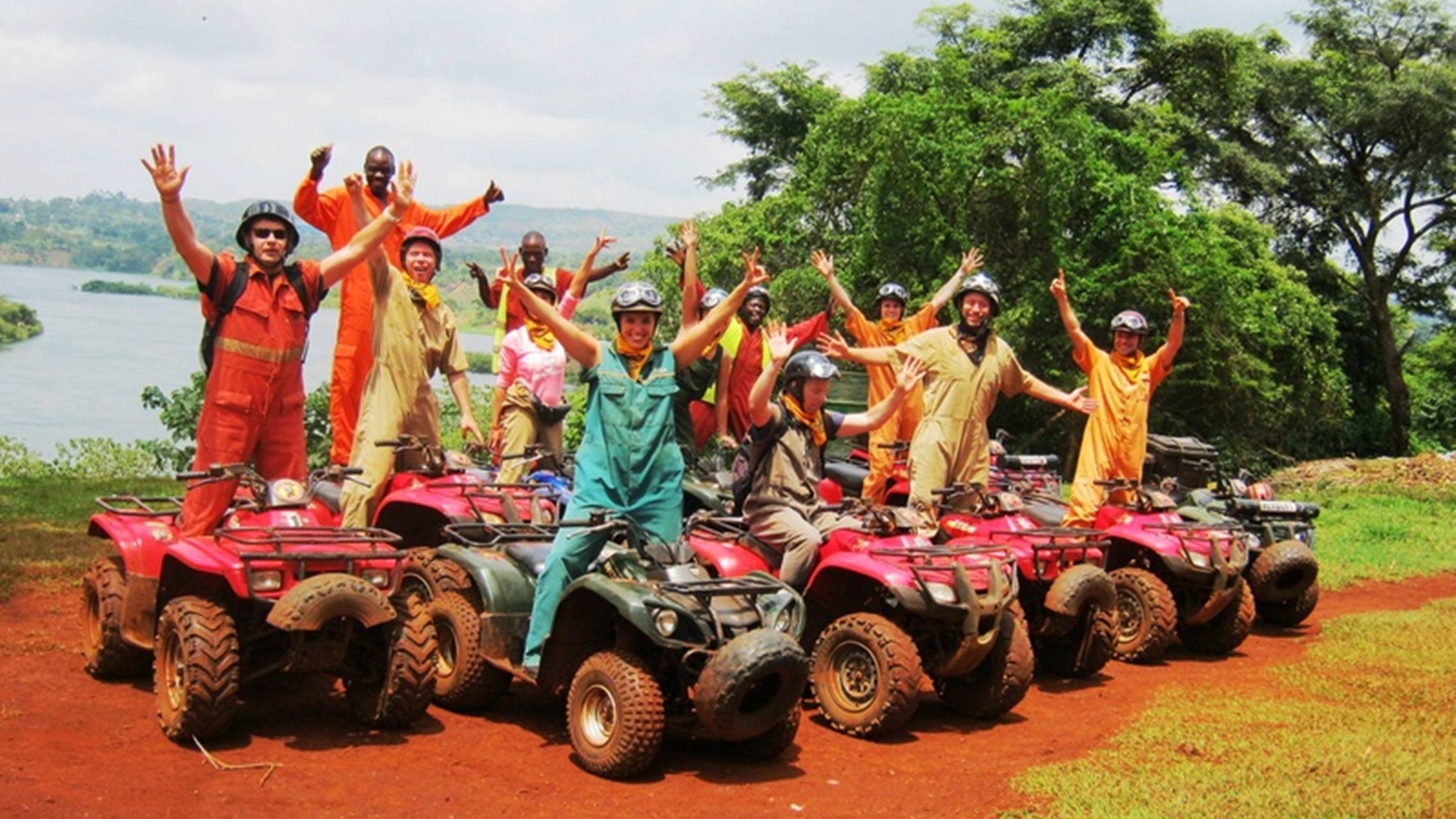
Mabira Outdoor Activities
Mabira Outdoor Activities
Exploring Mabira Forest: The Ultimate Guide to Outdoor Activities
Introduction to Mabira Forest
Nestled in the heart of Uganda, Mabira Forest is a sprawling natural wonder that offers an array of outdoor activities for nature enthusiasts, adventurers, and eco-tourists. This lush rainforest, covering over 300 square kilometers, is a haven for biodiversity and a sanctuary for those seeking to escape the hustle and bustle of urban life. Whether you’re a thrill-seeker, a bird-watching enthusiast, or someone looking to connect with nature, Mabira Forest has something for everyone.
In this comprehensive guide, we’ll explore the best outdoor activities in Mabira Forest, delve into its ecological significance, and provide tips for making the most of your visit. From adrenaline-pumping adventures to serene nature walks, this article will cover it all.
Top Outdoor Activities in Mabira Forest
1. Canopy Zip-Lining Adventures
One of the most exhilarating activities in Mabira Forest is canopy zip-lining. Suspended high above the forest floor, you’ll glide through the treetops, experiencing breathtaking views of the lush greenery below. This activity is perfect for adrenaline junkies and offers a unique perspective of the forest.
Key Highlights:
- Bird’s-eye view of the forest canopy.
- Opportunity to spot rare bird species and monkeys.
- Professional guides ensure safety and provide insightful information about the forest.
For more details on zip-lining adventures, visit Mabira Forest Zip-Lining.
2. Nature Walks and Hiking Trails
Mabira Forest boasts an extensive network of nature trails that cater to all levels of fitness and experience. These trails wind through the forest, offering visitors a chance to immerse themselves in the serene beauty of nature.
Popular Trails:
- Griffin Falls Trail: A moderate hike leading to the stunning Griffin Falls.
- Butterfly Trail: Ideal for families and those interested in spotting colorful butterflies.
- Primates Trail: Perfect for observing monkeys and other wildlife.
Each trail is rich in flora and fauna, making it a paradise for nature lovers. Learn more about hiking in Mabira Forest at Mabira Nature Trails.
3. Bird Watching
With over 300 bird species, Mabira Forest is a bird-watcher’s paradise. From the vibrant Great Blue Turaco to the elusive Nahan’s Francolin, the forest is teeming with avian life.
Tips for Bird Watching:
- Bring a pair of binoculars for a closer look.
- Visit early in the morning for the best sightings.
- Hire a local guide who knows the best spots for bird watching.
For a detailed bird-watching guide, check out Bird Watching in Mabira.
4. Mountain Biking
For those who love cycling, Mabira Forest offers thrilling mountain biking trails that weave through its dense vegetation. These trails vary in difficulty, making them suitable for both beginners and experienced bikers.
Why Choose Mountain Biking?
- A great way to explore the forest at your own pace.
- Combines adventure with physical fitness.
- Offers a chance to discover hidden gems within the forest.
Explore the best biking routes at Mabira Mountain Biking.
5. Camping Under the Stars
For a truly immersive experience, consider camping in Mabira Forest. Spending a night under the stars, surrounded by the sounds of nature, is an unforgettable experience.
Camping Essentials:
- A sturdy tent and sleeping bag.
- Insect repellent to ward off mosquitoes.
- A flashlight or headlamp for nighttime navigation.
Discover the best camping spots at Camping in Mabira Forest.
The Ecological Significance of Mabira Forest
Mabira Forest is not just a hub for outdoor activities; it also plays a crucial role in maintaining ecological balance. As one of Uganda’s largest rainforests, it serves as a carbon sink, helps regulate local climate, and supports a diverse range of wildlife.
Key Contributions:
- Home to over 300 bird species, 200 butterfly species, and numerous mammals.
- Acts as a water catchment area for nearby communities.
- Provides medicinal plants used by local communities.
Learn more about the ecological importance of Mabira Forest at Mabira Forest Conservation.
Tips for Visiting Mabira Forest
To make the most of your visit, keep the following tips in mind:
- Plan Ahead: Check the weather forecast and choose activities accordingly.
- Wear Appropriate Clothing: Lightweight, breathable fabrics and sturdy shoes are ideal.
- Stay Hydrated: Carry enough water, especially if you’re hiking or biking.
- Respect Nature: Avoid littering and follow the “leave no trace” principle.
- Hire a Guide: Local guides enhance your experience with their knowledge of the forest.
Frequently Asked Questions (FAQ)
1. What is the best time to visit Mabira Forest?
The best time to visit Mabira Forest is during the dry seasons, from December to February and June to August. These months offer favorable weather for outdoor activities.
2. Are there any entrance fees for Mabira Forest?
Yes, there is a small entrance fee that contributes to the conservation of the forest. Additional charges may apply for specific activities like zip-lining or guided tours.
3. Is Mabira Forest safe for tourists?
Mabira Forest is generally safe for tourists. However, it’s advisable to stick to designated trails and hire a guide for added safety.
4. Can I bring my own bike for mountain biking?
Yes, you can bring your own bike. Alternatively, bikes are available for rent at the forest’s visitor center.
5. Are there accommodations near Mabira Forest?
Yes, there are several lodges and eco-camps near Mabira Forest that cater to different budgets. Some popular options include Mabira Eco Lodge and Rainforest Retreat.
Conclusion
Mabira Forest is a treasure trove of outdoor activities and natural beauty. Whether you’re zip-lining through the canopy, hiking to a waterfall, or simply soaking in the tranquility of the rainforest, this destination promises an unforgettable experience. By respecting the environment and supporting local conservation efforts, you can help preserve this natural wonder for future generations.