
Bird Watching Holidays in Uganda
Bird Watching Holidays in Uganda
Bird Watching Holidays in Uganda
Discover the Paradise of Bird Watching in Uganda
Uganda, often referred to as the “Pearl of Africa,” is a haven for bird enthusiasts. With its diverse ecosystems ranging from lush rainforests to expansive savannahs, Uganda boasts over 1,000 bird species, making it one of the most sought-after destinations for bird watching holidays. This article delves into the unparalleled birding opportunities in Uganda, offering insights into the best spots, species to look out for, and tips for an unforgettable experience.
Why Uganda is a Bird Watcher’s Dream
Uganda’s unique geographical location at the crossroads of the East African savannah, West African rainforest, and the semi-arid Sahelian zone contributes to its incredible avian diversity. Whether you’re a seasoned ornithologist or a casual bird lover, Uganda offers something for everyone.
Key Highlights:
- Over 1,065 Bird Species: Uganda is home to 50% of Africa’s bird species and 11% of the world’s total.
- Rare and Endemic Birds: Spot species like the Shoebill Stork, Green-breasted Pitta, and the African Green Broadbill.
- Diverse Habitats: From the wetlands of Mabamba Swamp to the montane forests of Bwindi Impenetrable National Park.
For more details on Uganda’s biodiversity, check out this comprehensive guide on African wildlife.
Top Bird Watching Destinations in Uganda
1. Mabamba Swamp
Located near Lake Victoria, Mabamba Swamp is a Ramsar-listed wetland and a prime spot for the iconic Shoebill Stork. Glide through the swamp on a canoe and marvel at the rich birdlife.
- Key Species: Shoebill Stork, Papyrus Gonolek, Blue Swallow
- Best Time to Visit: Early morning or late afternoon
2. Bwindi Impenetrable National Park
Famous for its mountain gorillas, Bwindi is also a birding hotspot. The park is an Important Bird Area (IBA) and a UNESCO World Heritage Site.
- Key Species: African Green Broadbill, Grauer’s Warbler, Shelley’s Crimsonwing
- Best Time to Visit: June to August, December to February
3. Queen Elizabeth National Park
This park offers a mix of savannah and wetland habitats, making it ideal for a wide variety of bird species.
- Key Species: African Skimmer, Black Bee-eater, Grey-headed Kingfisher
- Best Time to Visit: Late afternoon boat cruises on the Kazinga Channel
4. Kibale National Park
Known for its primates, Kibale is also a treasure trove for bird watchers.
- Key Species: Green-breasted Pitta, African Pitta, White-naped Pigeon
- Best Time to Visit: Early morning guided walks
5. Lake Mburo National Park
A smaller park with a high density of bird species, Lake Mburo is perfect for birders who prefer less crowded destinations.
- Key Species: African Finfoot, White-winged Warbler, Bare-faced Go-away-bird
- Best Time to Visit: All year round
Essential Tips for Bird Watching in Uganda
Plan Your Trip During the Right Season
- Best Time for Birding: November to April, when migratory birds from Europe and North Africa are present.
- Dry Season Advantage: Easier access to remote areas and better visibility.
Equip Yourself Properly
- Binoculars with a magnification of 8x or 10x
- A field guidebook specific to East African birds
- Comfortable, neutral-colored clothing to blend into the environment
Hire a Local Guide
Local guides are invaluable for identifying bird calls and navigating the terrain. Many are trained ornithologists with years of experience.
Respect Nature
- Stick to designated trails
- Avoid loud noises that may disturb the birds
- Carry reusable water bottles to minimize waste
Unique Bird Species to Look Out For
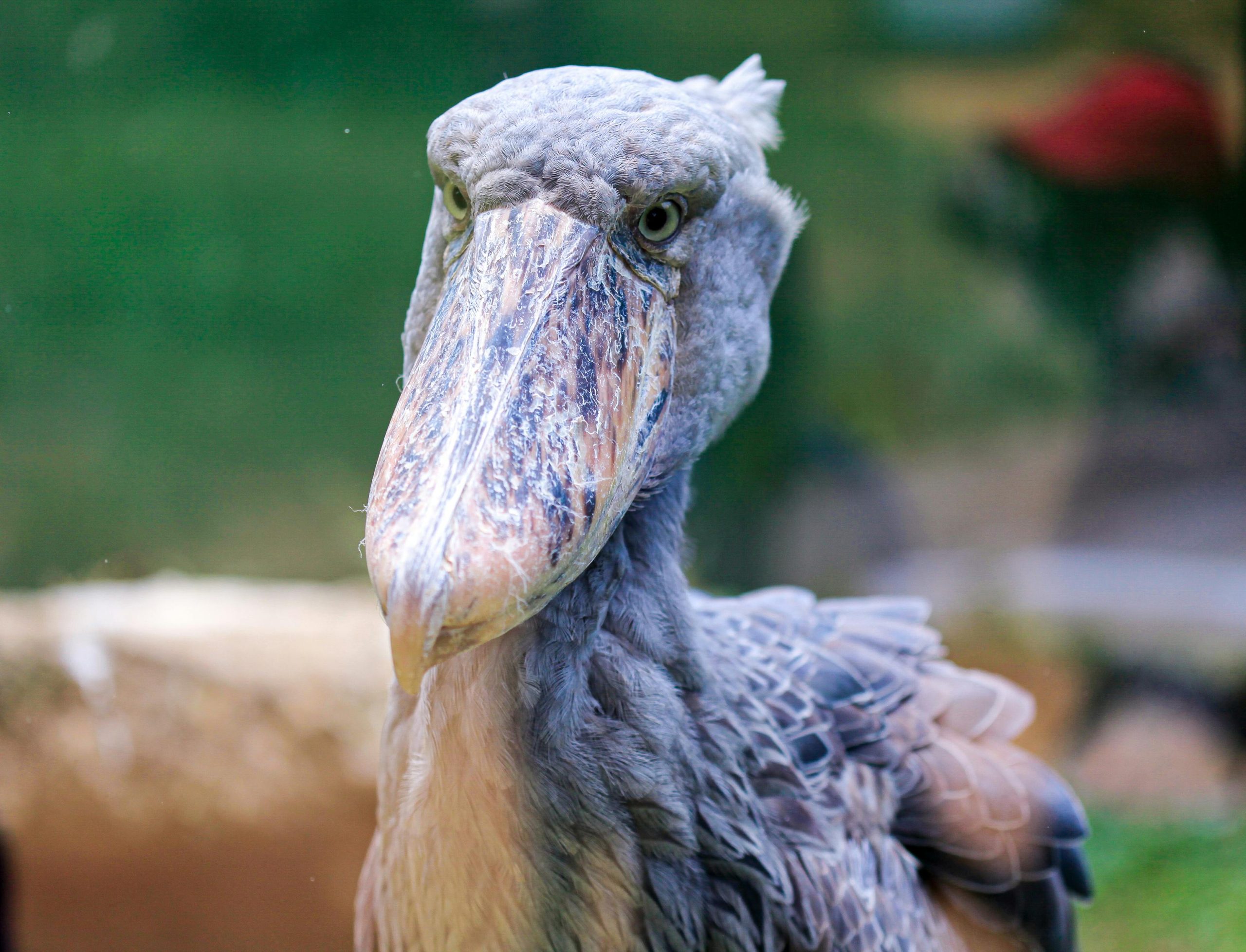
The Shoebill Stork
This prehistoric-looking bird is a must-see for any birding enthusiast. Found in wetlands like Mabamba Swamp, the Shoebill is known for its massive bill and patient hunting technique.
African Green Broadbill
One of the rarest birds in Africa, the African Green Broadbill is found in Bwindi Impenetrable National Park. Its vibrant green plumage makes it a sight to behold.
Grey Crowned Crane
Uganda’s national bird, the Grey Crowned Crane, is a symbol of elegance and grace. Often seen in pairs, these cranes are a delight to watch.
For more information on these species, visit BirdLife International.
Accommodation Options for Bird Watchers
Luxury Lodges
- Bwindi Lodge: Offers guided birding tours and luxury accommodations.
- Mweya Safari Lodge: Located in Queen Elizabeth National Park with stunning views of the Kazinga Channel.
Mid-Range Options
- Buhoma Community Rest Camp: Affordable and close to Bwindi’s birding trails.
- Rwakobo Rock: A serene retreat near Lake Mburo National Park.
Budget-Friendly Choices
- Red Chilli Hideaway: A popular choice for backpackers.
- Lake Victoria View Guesthouse: Ideal for birders visiting Mabamba Swamp.
For a full list of accommodations, check out Uganda Tourism Board.
FAQs About Bird Watching in Uganda
1. What is the best time for bird watching in Uganda?
The best time is from November to April, during the migratory season. However, birding is excellent year-round due to Uganda’s diverse habitats.
2. Do I need a permit for bird watching?
Permits are not required for bird watching, but entry fees apply for national parks and reserves.
3. What should I pack for a birding trip?
Essentials include binoculars, a field guidebook, comfortable clothing, insect repellent, and a camera.
4. Can I combine bird watching with other activities?
Absolutely! Many birding destinations also offer gorilla trekking, game drives, and cultural experiences.
5. Are there birding tours available in Uganda?
Yes, several tour operators specialize in birding safaris. They provide expert guides and customized itineraries.
Conclusion
Uganda is a birding paradise that promises an unforgettable experience for nature lovers. From the iconic Shoebill Stork to the rare African Green Broadbill, the country’s avian diversity is unmatched. Whether you’re exploring the wetlands of Mabamba Swamp or the dense forests of Bwindi, Uganda offers a bird watching holiday like no other. Plan your trip today and immerse yourself in the breathtaking beauty of Uganda’s birdlife.