
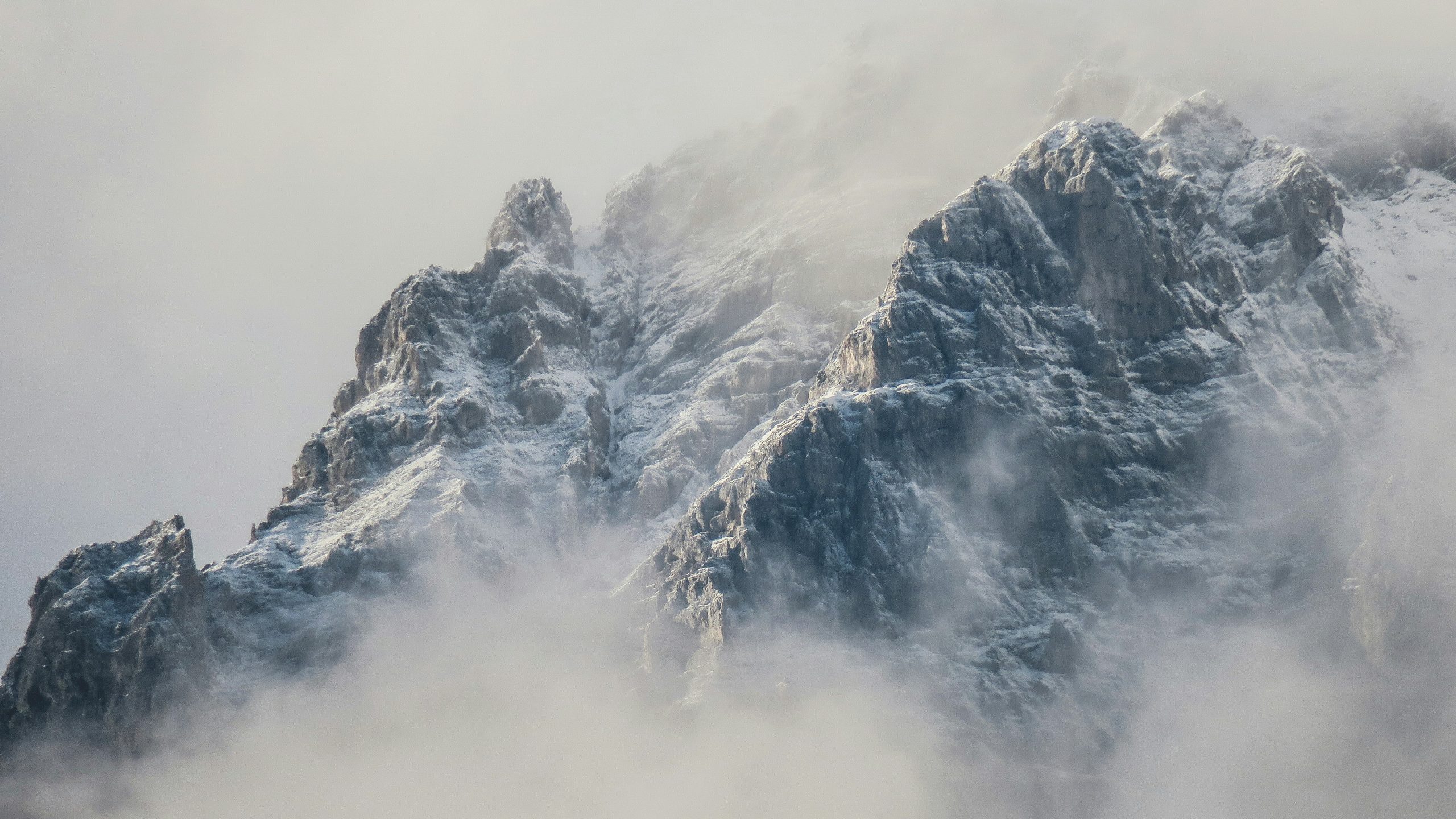
Uganda Mountain Climbing
Uganda Mountain Climbing
Uganda Mountain Climbing: An Adventurer’s Guide to the Pearl of Africa
Uganda, often referred to as the “Pearl of Africa,” is a land of breathtaking landscapes, diverse wildlife, and towering mountain ranges that beckon adventurers from around the globe. For those seeking the thrill of mountain climbing, Uganda offers a unique blend of challenging peaks, lush greenery, and cultural richness. In this comprehensive guide, we’ll explore the best mountain climbing experiences in Uganda, tips for a successful climb, and why this East African gem should be on every adventurer’s bucket list.
Why Choose Uganda for Mountain Climbing?
Uganda is home to some of the most spectacular mountain ranges in Africa. From the snow-capped peaks of the Rwenzori Mountains to the volcanic summits of Mount Elgon, Uganda offers a variety of climbing experiences for both beginners and seasoned climbers. Here are some reasons why Uganda stands out as a premier mountain climbing destination:
- Diverse Landscapes: Uganda’s mountains are surrounded by lush rainforests, alpine meadows, and unique ecosystems that are home to rare flora and fauna.
- Cultural Immersion: Climbing expeditions often pass through local villages, offering climbers a chance to interact with Uganda’s warm and hospitable communities.
- Unspoiled Beauty: Many of Uganda’s mountain trails are less crowded compared to other popular climbing destinations, providing a more serene and intimate experience.
- Year-Round Climbing: Thanks to its equatorial location, Uganda offers favorable climbing conditions throughout the year.
Top Mountains to Climb in Uganda
1. Rwenzori Mountains (Mountains of the Moon)
The Rwenzori Mountains, also known as the “Mountains of the Moon,” are a UNESCO World Heritage Site and one of Uganda’s most iconic mountain ranges. These mountains are famous for their snow-capped peaks, glaciers, and unique vegetation.
- Highest Peak: Mount Stanley (5,109 meters)
- Key Features:
- Glacial lakes and waterfalls
- Rare plant species like giant lobelias and groundsels
- Diverse wildlife, including colobus monkeys and Rwenzori turacos
- Best Time to Climb: December to February and June to August
- Difficulty Level: Challenging, suitable for experienced climbers
For more information on the Rwenzori Mountains, visit the UNESCO World Heritage Site page.
2. Mount Elgon
Located on the Uganda-Kenya border, Mount Elgon is an extinct volcano and one of East Africa’s oldest mountains. It offers a less strenuous climbing experience compared to the Rwenzori Mountains, making it ideal for beginners.
- Highest Peak: Wagagai Peak (4,321 meters)
- Key Features:
- The largest volcanic base in the world
- Stunning caldera and hot springs
- Rich birdlife, including the endangered Jackson’s francolin
- Best Time to Climb: June to August and December to March
- Difficulty Level: Moderate
Learn more about Mount Elgon and its unique features on the Uganda Wildlife Authority website.
3. Mount Moroto
Mount Moroto is part of the Karamoja region in northeastern Uganda. While it may not be as tall as the Rwenzori or Elgon, it offers a unique climbing experience with panoramic views of the surrounding savannah.
- Highest Peak: 3,083 meters
- Key Features:
- Remote and off-the-beaten-path
- Rich cultural experiences with the Karamojong people
- Abundant wildlife, including leopards and hyenas
- Best Time to Climb: November to February
- Difficulty Level: Moderate to challenging
4. Mount Muhabura
Part of the Virunga Mountain Range, Mount Muhabura is a dormant volcano located on the Uganda-Rwanda border. It is known for its steep slopes and breathtaking views.
- Highest Peak: 4,127 meters
- Key Features:
- Stunning views of the Virunga Volcanoes and Lake Edward
- Proximity to Mgahinga Gorilla National Park
- Opportunities for gorilla trekking
- Best Time to Climb: June to September and December to February
- Difficulty Level: Challenging
Essential Tips for Mountain Climbing in Uganda
Preparation and Training
- Physical Fitness: Engage in regular cardio and strength training exercises to prepare for the physical demands of climbing.
- Acclimatization: Spend a few days acclimatizing to the altitude before attempting higher peaks.
- Gear Checklist:
- Sturdy hiking boots
- Warm clothing and waterproof gear
- Climbing poles and gloves
- First aid kit and sunscreen
Permits and Guides
- Obtain the necessary permits from the Uganda Wildlife Authority or local tour operators.
- Hire experienced guides and porters to ensure a safe and enjoyable climb.
Environmental Responsibility
- Follow the “Leave No Trace” principles to minimize your impact on the environment.
- Respect local customs and traditions.
Best Time to Visit Uganda for Mountain Climbing
Uganda’s equatorial climate makes it a year-round destination for mountain climbing. However, the dry seasons (December to February and June to August) are generally considered the best times for climbing due to favorable weather conditions and clearer trails.
Frequently Asked Questions (FAQ)
1. What is the highest mountain in Uganda?
The highest mountain in Uganda is Mount Stanley, located in the Rwenzori Mountains. Its highest peak, Margherita Peak, stands at 5,109 meters.
2. Do I need a guide to climb mountains in Uganda?
Yes, hiring a guide is highly recommended for safety and navigation. Local guides are knowledgeable about the terrain, weather, and cultural aspects of the region.
3. What should I pack for mountain climbing in Uganda?
Essential items include sturdy hiking boots, warm clothing, waterproof gear, a first aid kit, climbing poles, and sunscreen. A detailed packing list can be provided by your tour operator.
4. Are there any age restrictions for mountain climbing in Uganda?
While there are no strict age restrictions, climbers should be in good physical health. Some peaks may not be suitable for young children or older individuals with health concerns.
5. Can I combine mountain climbing with other activities in Uganda?
Absolutely! Uganda offers a range of activities, including gorilla trekking, wildlife safaris, and cultural tours. Combining these experiences can make your trip even more memorable.
Conclusion
Uganda is a treasure trove of natural beauty and adventure, offering some of the most rewarding mountain climbing experiences in Africa. Whether you’re scaling the majestic Rwenzori Mountains or exploring the volcanic landscapes of Mount Elgon, Uganda promises an unforgettable journey. With its diverse ecosystems, rich cultural heritage, and welcoming people, the Pearl of Africa is a must-visit destination for climbers and nature enthusiasts alike.