
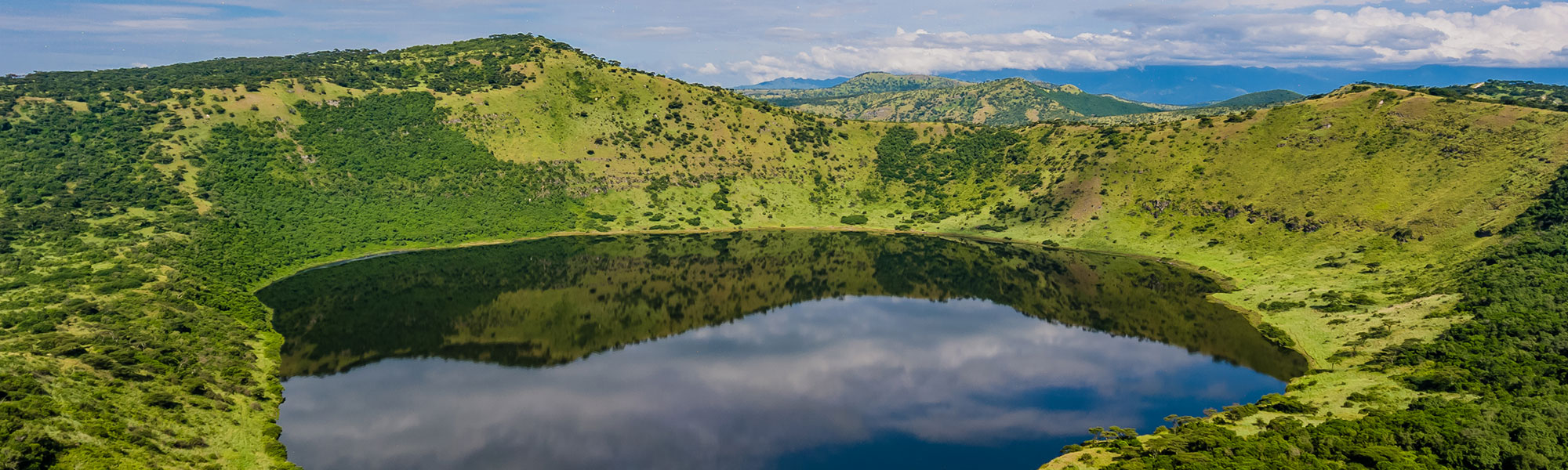
Crater Lakes in Uganda
Crater Lakes in Uganda
Crater Lakes in Uganda: A Hidden Gem of Natural Beauty and Biodiversity
Introduction
Uganda, often referred to as the “Pearl of Africa,” is home to some of the most breathtaking crater lakes in the world. These lakes, formed by ancient volcanic activity, offer stunning landscapes, rich biodiversity, and unique cultural significance. Whether you’re a traveler, nature enthusiast, or researcher, exploring these crater lakes provides an unforgettable experience.
In this article, we will delve deep into the best crater lakes in Uganda, their formation, ecological importance, and the best activities to enjoy around them.
The Formation of Crater Lakes in Uganda
Crater lakes in Uganda were formed thousands of years ago due to volcanic eruptions. When magma erupted from underground, it left behind depressions that later filled with water, creating the stunning lakes we see today. These lakes are primarily found in western Uganda, particularly in regions such as:
- Fort Portal
- Queen Elizabeth National Park
- Kibale National Park
- Kasenda Crater Lakes Region
The presence of these lakes has contributed to the rich biodiversity of the region, making them vital ecosystems for both flora and fauna.
Top Crater Lakes in Uganda
1. Lake Nyinambuga
Located in the Kasenda Crater Lakes region, Lake Nyinambuga is a scenic lake surrounded by lush green hills. This lake is famously featured on the Ugandan 20,000 shilling note, making it one of the most recognizable lakes in the country.
Activities at Lake Nyinambuga:
- Canoeing and boat rides
- Bird watching
- Hiking around the lake
2. Lake Nkuruba
This pristine crater lake is known for its rich biodiversity and is surrounded by a community conservation area. It is home to various primates, including black-and-white colobus monkeys and red-tailed monkeys.
Why Visit Lake Nkuruba?
- Nature walks and hiking
- Wildlife spotting
- Camping and eco-tourism lodges
3. Lake Katwe
Unlike most crater lakes, Lake Katwe is a salt lake located in Queen Elizabeth National Park. It has been a significant source of salt mining for centuries. The traditional salt extraction methods used by the local community make it a fascinating cultural site.
What to Do at Lake Katwe?
- Learn about traditional salt mining
- Visit the nearby Queen Elizabeth National Park
- Photography of the unique landscape
4. Lake Kyaninga
This deep blue crater lake is one of the most stunning in Uganda. It is located near Fort Portal and is surrounded by the luxurious Kyaninga Lodge, which offers breathtaking views of the lake and the Rwenzori Mountains.
Activities at Lake Kyaninga:
- Swimming in the crystal-clear waters
- Hiking and nature walks
- Luxury accommodation at Kyaninga Lodge
5. Lake Mutanda
Although not a typical crater lake, Lake Mutanda in southwestern Uganda is surrounded by extinct volcanoes, giving it a similar landscape. It is a gateway to Bwindi Impenetrable Forest, home to the endangered mountain gorillas.
Why Visit Lake Mutanda?
- Canoeing and island exploration
- Gorilla trekking in Bwindi
- Spectacular views of the Virunga Volcanoes
The Ecological Importance of Uganda’s Crater Lakes
Uganda’s crater lakes play a crucial role in maintaining the region’s biodiversity. They provide:
- Habitat for various bird species, including the African fish eagle and kingfishers.
- Water sources for wildlife in Queen Elizabeth National Park and surrounding areas.
- Rich aquatic life, supporting fish species and other aquatic organisms.
Additionally, these lakes contribute to climate regulation and serve as essential tourism attractions, boosting the local economy.
Best Activities Around Uganda’s Crater Lakes
1. Bird Watching
Uganda is a paradise for bird watchers, with over 1,000 bird species recorded. The crater lakes provide an excellent habitat for both resident and migratory birds.
2. Hiking and Nature Walks
The rolling hills and lush forests surrounding the crater lakes offer excellent hiking trails. Some of the best trails include:
- Kasenda Crater Lakes Hike
- Kyaninga Crater Walk
- Lake Nkuruba Forest Walk
3. Canoeing and Swimming
Many crater lakes, such as Lake Kyaninga and Lake Nyinambuga, have clean and safe waters for swimming and canoeing.
4. Cultural Experiences
Visiting Lake Katwe allows travelers to learn about traditional salt mining, while local communities around the lakes offer cultural performances and storytelling.
5. Gorilla Trekking and Wildlife Safaris
For those visiting Lake Mutanda, combining a trip with gorilla trekking in Bwindi or a safari in Queen Elizabeth National Park is highly recommended.
Best Time to Visit Uganda’s Crater Lakes
The best time to visit Uganda’s crater lakes is during the dry seasons, which occur from:
- June to August
- December to February
During these months, the weather is more favorable for hiking, wildlife viewing, and water activities. However, the lakes remain beautiful throughout the year.
Frequently Asked Questions (FAQ)
1. Are Uganda’s crater lakes safe for swimming?
Yes, many crater lakes, such as Lake Kyaninga and Lake Nyinambuga, are safe for swimming. However, some lakes, like Lake Katwe, are too salty for swimming.
2. How many crater lakes are there in Uganda?
Uganda has over 50 crater lakes, mainly concentrated in western Uganda, particularly in the Kasenda region and Queen Elizabeth National Park.
3. What wildlife can be found around Uganda’s crater lakes?
The lakes are home to monkeys, birds, and aquatic life. Some lakes, like Lake Nkuruba, have colobus monkeys, while others attract hippos and crocodiles.
4. What is the most scenic crater lake in Uganda?
Lake Kyaninga is considered one of the most scenic crater lakes due to its deep blue waters and surrounding Rwenzori Mountain views.
5. Can I visit Uganda’s crater lakes on a budget?
Yes! Many crater lakes offer affordable accommodations, including eco-lodges, campsites, and budget guesthouses.
Conclusion
Uganda’s crater lakes are among the country’s most stunning natural attractions. Whether you’re looking for adventure, relaxation, or cultural experiences, these lakes provide a perfect escape into nature. From the pristine waters of Lake Kyaninga to the historical salt mines of Lake Katwe, each lake has a unique story to tell.
Plan your trip today and explore the hidden beauty of Uganda’s crater lakes!Crater Lakes in Uganda: A Hidden Gem of Natural Beauty and Biodiversity
Introduction
Uganda, often referred to as the “Pearl of Africa,” is home to some of the most breathtaking crater lakes in the world. These lakes, formed by ancient volcanic activity, offer stunning landscapes, rich biodiversity, and unique cultural significance. Whether you’re a traveler, nature enthusiast, or researcher, exploring these crater lakes provides an unforgettable experience.
In this article, we will delve deep into the best crater lakes in Uganda, their formation, ecological importance, and the best activities to enjoy around them.
The Formation of Crater Lakes in Uganda
Crater lakes in Uganda were formed thousands of years ago due to volcanic eruptions. When magma erupted from underground, it left behind depressions that later filled with water, creating the stunning lakes we see today. These lakes are primarily found in western Uganda, particularly in regions such as:
- Fort Portal
- Queen Elizabeth National Park
- Kibale National Park
- Kasenda Crater Lakes Region
The presence of these lakes has contributed to the rich biodiversity of the region, making them vital ecosystems for both flora and fauna.
Top Crater Lakes in Uganda
1. Lake Nyinambuga
Located in the Kasenda Crater Lakes region, Lake Nyinambuga is a scenic lake surrounded by lush green hills. This lake is famously featured on the Ugandan 20,000 shilling note, making it one of the most recognizable lakes in the country.
Activities at Lake Nyinambuga:
- Canoeing and boat rides
- Bird watching
- Hiking around the lake
2. Lake Nkuruba
This pristine crater lake is known for its rich biodiversity and is surrounded by a community conservation area. It is home to various primates, including black-and-white colobus monkeys and red-tailed monkeys.
Why Visit Lake Nkuruba?
- Nature walks and hiking
- Wildlife spotting
- Camping and eco-tourism lodges
3. Lake Katwe
Unlike most crater lakes, Lake Katwe is a salt lake located in Queen Elizabeth National Park. It has been a significant source of salt mining for centuries. The traditional salt extraction methods used by the local community make it a fascinating cultural site.
What to Do at Lake Katwe?
- Learn about traditional salt mining
- Visit the nearby Queen Elizabeth National Park
- Photography of the unique landscape
4. Lake Kyaninga
This deep blue crater lake is one of the most stunning in Uganda. It is located near Fort Portal and is surrounded by the luxurious Kyaninga Lodge, which offers breathtaking views of the lake and the Rwenzori Mountains.
Activities at Lake Kyaninga:
- Swimming in the crystal-clear waters
- Hiking and nature walks
- Luxury accommodation at Kyaninga Lodge
5. Lake Mutanda
Although not a typical crater lake, Lake Mutanda in southwestern Uganda is surrounded by extinct volcanoes, giving it a similar landscape. It is a gateway to Bwindi Impenetrable Forest, home to the endangered mountain gorillas.
Why Visit Lake Mutanda?
- Canoeing and island exploration
- Gorilla trekking in Bwindi
- Spectacular views of the Virunga Volcanoes
The Ecological Importance of Uganda’s Crater Lakes
Uganda’s crater lakes play a crucial role in maintaining the region’s biodiversity. They provide:
- Habitat for various bird species, including the African fish eagle and kingfishers.
- Water sources for wildlife in Queen Elizabeth National Park and surrounding areas.
- Rich aquatic life, supporting fish species and other aquatic organisms.
Additionally, these lakes contribute to climate regulation and serve as essential tourism attractions, boosting the local economy.
Best Activities Around Uganda’s Crater Lakes
1. Bird Watching
Uganda is a paradise for bird watchers, with over 1,000 bird species recorded. The crater lakes provide an excellent habitat for both resident and migratory birds.
2. Hiking and Nature Walks
The rolling hills and lush forests surrounding the crater lakes offer excellent hiking trails. Some of the best trails include:
- Kasenda Crater Lakes Hike
- Kyaninga Crater Walk
- Lake Nkuruba Forest Walk
3. Canoeing and Swimming
Many crater lakes, such as Lake Kyaninga and Lake Nyinambuga, have clean and safe waters for swimming and canoeing.
4. Cultural Experiences
Visiting Lake Katwe allows travelers to learn about traditional salt mining, while local communities around the lakes offer cultural performances and storytelling.
5. Gorilla Trekking and Wildlife Safaris
For those visiting Lake Mutanda, combining a trip with gorilla trekking in Bwindi or a safari in Queen Elizabeth National Park is highly recommended.
Best Time to Visit Uganda’s Crater Lakes
The best time to visit Uganda’s crater lakes is during the dry seasons, which occur from:
- June to August
- December to February
During these months, the weather is more favorable for hiking, wildlife viewing, and water activities. However, the lakes remain beautiful throughout the year.
Frequently Asked Questions (FAQ)
1. Are Uganda’s crater lakes safe for swimming?
Yes, many crater lakes, such as Lake Kyaninga and Lake Nyinambuga, are safe for swimming. However, some lakes, like Lake Katwe, are too salty for swimming.
2. How many crater lakes are there in Uganda?
Uganda has over 50 crater lakes, mainly concentrated in western Uganda, particularly in the Kasenda region and Queen Elizabeth National Park.
3. What wildlife can be found around Uganda’s crater lakes?
The lakes are home to monkeys, birds, and aquatic life. Some lakes, like Lake Nkuruba, have colobus monkeys, while others attract hippos and crocodiles.
4. What is the most scenic crater lake in Uganda?
Lake Kyaninga is considered one of the most scenic crater lakes due to its deep blue waters and surrounding Rwenzori Mountain views.
5. Can I visit Uganda’s crater lakes on a budget?
Yes! Many crater lakes offer affordable accommodations, including eco-lodges, campsites, and budget guesthouses.
Conclusion
Uganda’s crater lakes are among the country’s most stunning natural attractions. Whether you’re looking for adventure, relaxation, or cultural experiences, these lakes provide a perfect escape into nature. From the pristine waters of Lake Kyaninga to the historical salt mines of Lake Katwe, each lake has a unique story to tell.
Plan your trip today and explore the hidden beauty of Uganda’s crater lakes!