
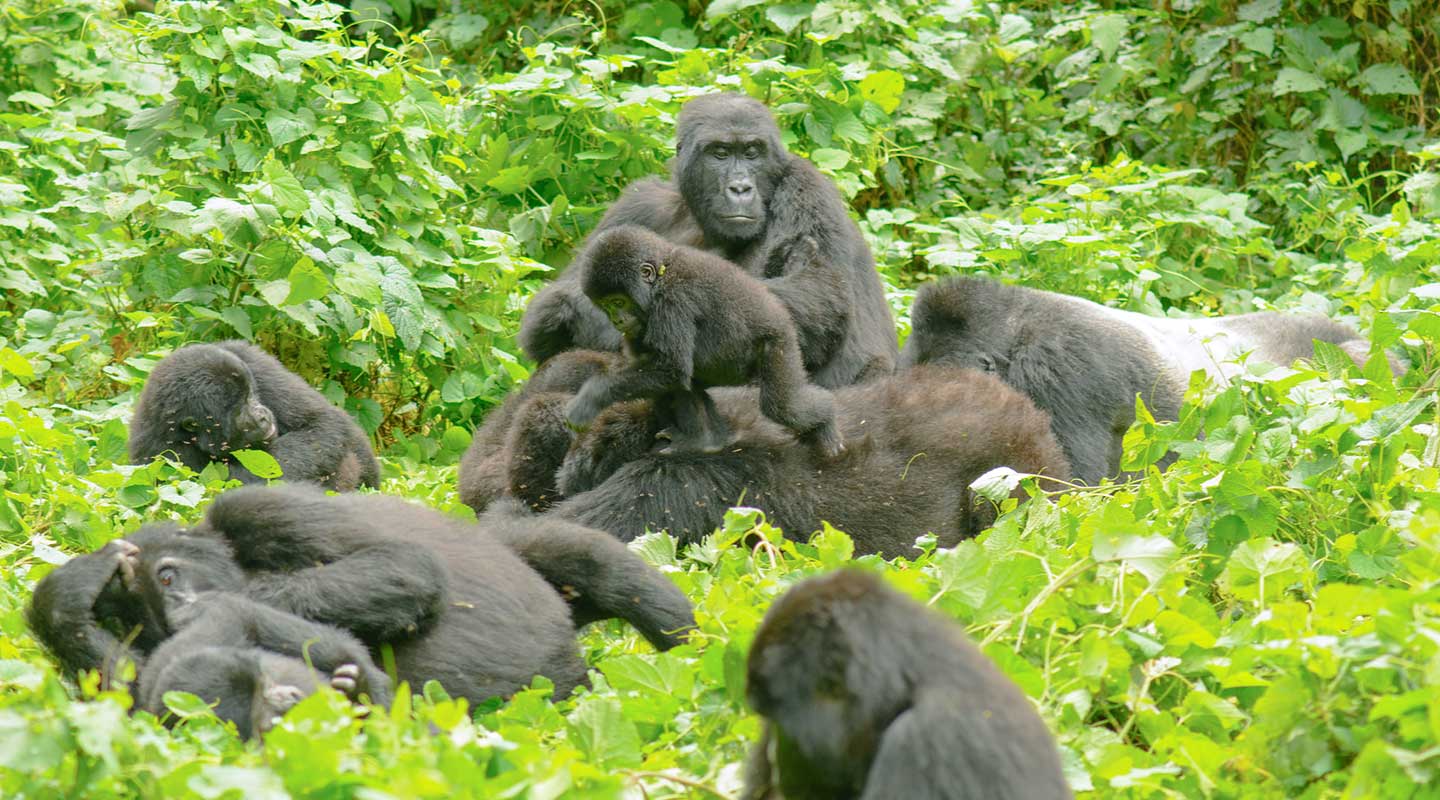
Bwindi Gorilla Trek
Bwindi Gorilla Trek
Bwindi Gorilla Trek: A Complete Guide to an Unforgettable Adventure
Introduction
Nestled in the heart of East Africa, Bwindi Impenetrable Forest is a UNESCO World Heritage Site and one of the most sought-after destinations for wildlife enthusiasts. This dense rainforest, located in southwestern Uganda, is home to nearly half of the world’s remaining mountain gorillas. A Bwindi gorilla trek offers an extraordinary opportunity to witness these majestic primates in their natural habitat, making it a once-in-a-lifetime experience for travelers.
In this comprehensive guide, we will explore everything you need to know about gorilla trekking in Bwindi, including the best time to visit, permit costs, packing essentials, and expert tips to make your adventure truly unforgettable.
Why Choose Bwindi for Gorilla Trekking?
Bwindi Impenetrable National Park is one of only a few places in the world where you can encounter mountain gorillas in the wild. Here’s why Bwindi stands out as a top trekking destination:
- High Gorilla Population – The park is home to over 450 mountain gorillas, making it one of the best places for sightings.
- Diverse Ecosystem – Apart from gorillas, Bwindi boasts over 120 mammal species, 350 bird species, and a variety of reptiles and amphibians.
- Unique Trekking Experience – The dense forest terrain offers an adventurous and immersive trekking experience.
- Conservation Efforts – Visiting Bwindi supports gorilla conservation and local communities through eco-tourism.
Best Time to Visit Bwindi for Gorilla Trekking
Bwindi Impenetrable National Park experiences two main seasons:
Dry Season (Best Time to Visit)
- Months: June to September, December to February
- Advantages:
- Trails are less muddy and easier to navigate.
- Better visibility for photography.
- Higher chances of spotting gorillas in open areas.
Rainy Season (Challenging but Rewarding)
- Months: March to May, October to November
- Advantages:
- Fewer tourists, meaning a more intimate experience.
- Lush green vegetation enhances the beauty of the forest.
- Disadvantages:
- Trails can be slippery and challenging.
- Heavy rainfall may make trekking more difficult.
How to Obtain a Gorilla Trekking Permit
A gorilla trekking permit is mandatory for all visitors wishing to track gorillas in Bwindi. Here’s what you need to know:
- Permit Cost:
- Foreign Non-Residents: $800 per person
- Foreign Residents: $700 per person
- East African Citizens: UGX 250,000
- Where to Buy:
- Uganda Wildlife Authority (UWA) official website
- Licensed tour operators
- Travel agencies specializing in Uganda safaris
- Booking in Advance:
- Permits are limited to 8 visitors per gorilla family per day, so booking at least 6 months in advance is recommended.
What to Expect During a Bwindi Gorilla Trek
1. Briefing and Group Allocation
Your adventure begins with a pre-trek briefing at the park headquarters, where rangers provide essential guidelines. Visitors are then divided into small groups and assigned a specific gorilla family to track.
2. The Trekking Experience
- The trek can last anywhere from 2 to 8 hours, depending on the gorillas’ location.
- Expect to navigate through dense vegetation, steep hills, and muddy trails.
- Rangers use radio communication to track the gorillas’ movements.
3. Encounter with the Gorillas
- Once you find the gorillas, you are allowed one hour to observe and photograph them.
- Maintain a 7-meter distance to avoid disturbing them.
- Follow the ranger’s instructions to ensure a safe and respectful experience.
Packing List for a Bwindi Gorilla Trek
To ensure a comfortable and successful trek, pack the following essentials:
Clothing:
✔ Long-sleeved shirts and trousers (for protection against insects and thorns)
✔ Waterproof hiking boots (for navigating muddy trails)
✔ Lightweight rain jacket (essential for sudden rain showers)
✔ Hat and sunglasses (for sun protection)
Gear and Accessories:
✔ A sturdy backpack (to carry water, snacks, and personal items)
✔ Binoculars (for spotting birds and other wildlife)
✔ Camera with extra batteries (to capture stunning moments)
Other Essentials:
✔ Insect repellent (to keep mosquitoes away)
✔ Sunscreen (for UV protection)
✔ Energy snacks and bottled water (to stay hydrated)
Accommodation Options Near Bwindi
There are several lodges and camps near Bwindi that cater to different budgets:
Luxury Lodges:
Mid-Range Lodges:
Budget-Friendly Options:
Conservation Efforts and Responsible Tourism
Gorilla trekking plays a crucial role in conservation and community development. Here’s how you can contribute:
- Follow Park Rules – Respect the guidelines set by rangers to protect the gorillas.
- Support Local Communities – Purchase souvenirs from local artisans and stay in community-run lodges.
- Minimize Environmental Impact – Avoid littering and stick to designated trails.
Frequently Asked Questions (FAQ)
1. How difficult is the Bwindi gorilla trek?
The trek can be physically demanding, as it involves hiking through dense forests and steep terrain. A moderate level of fitness is recommended.
2. Is it safe to trek gorillas in Bwindi?
Yes, gorilla trekking is safe, as experienced rangers accompany all groups. The gorillas are habituated to human presence.
3. What is the minimum age for gorilla trekking?
The minimum age for gorilla trekking in Bwindi is 15 years.
4. Can I take photos during the trek?
Yes, but flash photography is prohibited to avoid disturbing the gorillas.
5. What happens if I don’t find the gorillas?
While sightings are not guaranteed, the chances of encountering gorillas are over 95%, thanks to expert trackers.
Conclusion
A Bwindi gorilla trek is one of the most thrilling wildlife experiences in the world. From navigating the dense rainforest to witnessing mountain gorillas up close, every moment is unforgettable. By planning ahead, securing the necessary permits, and following conservation guidelines, you can make the most of this extraordinary adventure.
Are you ready to embark on a once-in-a-lifetime journey to Bwindi? Start planning your gorilla trekking experience today!