
Bwindi Forest Hike
Bwindi Forest Hike
Bwindi Forest Hike: A Complete Guide to Exploring the Impenetrable Wilderness
Introduction
Nestled in the southwestern corner of Uganda, the Bwindi Impenetrable Forest is a UNESCO World Heritage Site renowned for its breathtaking biodiversity, dense jungle, and, most notably, its mountain gorillas. A Bwindi Forest hike is an unforgettable adventure, offering travelers the opportunity to explore one of Africa’s most pristine rainforests while encountering rare wildlife, stunning landscapes, and rich cultural heritage.
In this guide, we’ll take you through everything you need to know about hiking in Bwindi Impenetrable National Park, from the best trails and trekking tips to essential packing lists and conservation efforts.
Why Hike in Bwindi Impenetrable Forest?
1. Home to the Endangered Mountain Gorillas
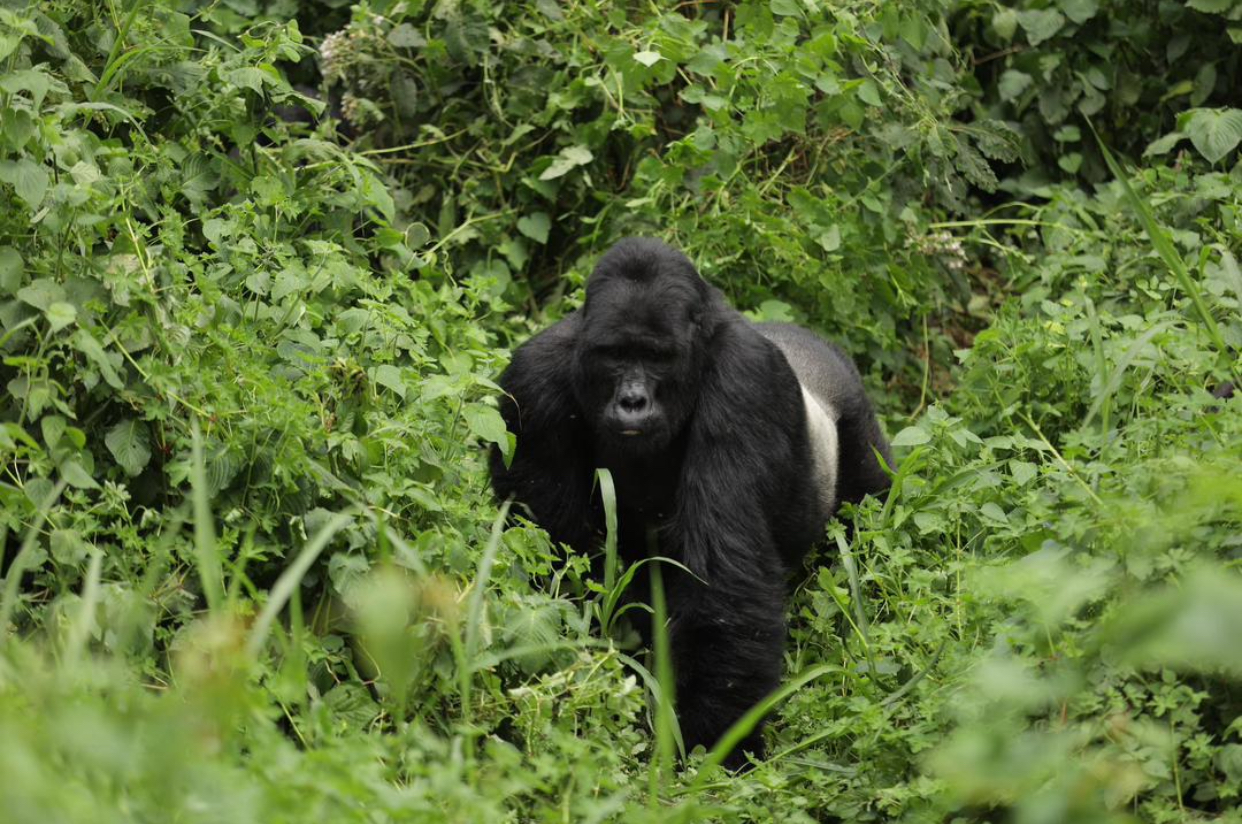
Bwindi is one of the few places in the world where you can embark on a gorilla trekking experience. With over half of the world’s remaining mountain gorilla population, this forest provides a rare opportunity to observe these majestic primates in their natural habitat.
2. Rich Biodiversity
The forest is home to over 120 mammal species, 350 bird species, and 200 butterfly species, making it a paradise for nature lovers and wildlife enthusiasts.
3. Stunning Scenery
From mist-covered hills to lush green canopies, Bwindi offers some of the most breathtaking landscapes in Africa. The rugged terrain and dense foliage create an enchanting setting for hikers.
4. Cultural Encounters
A hike in Bwindi is not just about nature; it’s also an opportunity to interact with the Batwa Pygmies, one of Africa’s oldest indigenous tribes. Their rich traditions and deep connection to the forest provide a unique cultural experience.
Best Hiking Trails in Bwindi Impenetrable Forest
1. Mubwindi Swamp Trail
- Difficulty Level: Moderate to Difficult
- Distance: 4–5 hours
- Highlights: Birdwatching, primates, scenic views
This trail, located in the Ruhija sector, is perfect for bird lovers. It offers sightings of rare species such as the African green broadbill and the Rwenzori turaco. The descent to the swamp is steep, but the rewards are worth it.
2. Buhoma-Nkuringo Trail
- Difficulty Level: Challenging
- Distance: 4–5 hours
- Highlights: Panoramic views, gorilla encounters
This trail connects the Buhoma and Nkuringo sectors, offering hikers a chance to traverse the forest while enjoying stunning views of the Virunga Volcanoes and the Albertine Rift Valley.
3. Rushura Hill Trail
- Difficulty Level: Easy to Moderate
- Distance: 3–4 hours
- Highlights: Views of the Congo and Rwanda
For those looking for a less strenuous hike, this trail provides breathtaking views of Lake Edward, the Rwenzori Mountains, and even the Democratic Republic of Congo on a clear day.
4. Ivy River Trail
- Difficulty Level: Moderate
- Distance: 6–7 hours
- Highlights: Waterfalls, diverse flora and fauna
This trail follows the Ivy River, offering a scenic and peaceful hike through the forest. It’s an excellent option for those who want to experience the beauty of Bwindi without the intensity of gorilla trekking.
5. Habinyanja Trail
- Difficulty Level: Moderate
- Distance: 4–6 hours
- Highlights: Birdwatching, scenic lakes
This trail takes hikers through swampy areas and rocky ridges, leading to the stunning Habinyanja Swamp, a hotspot for birdwatchers.
What to Expect on a Bwindi Forest Hike
1. Dense Vegetation
The forest is called “impenetrable” for a reason. Expect to navigate through thick undergrowth, vines, and steep slopes.
2. Variable Weather
Bwindi’s climate is unpredictable. It can be sunny one moment and rainy the next, so be prepared for sudden weather changes.
3. Wildlife Encounters
Apart from gorillas, you may encounter chimpanzees, colobus monkeys, forest elephants, and a variety of bird species.
4. Physical Challenge
Hiking in Bwindi requires a good level of fitness. The trails can be steep and muddy, making them physically demanding.
Essential Packing List for a Bwindi Hike
Clothing
✔ Lightweight, moisture-wicking clothing
✔ Long-sleeved shirts and trousers (to protect against insects)
✔ Waterproof jacket or poncho
✔ Sturdy hiking boots with good grip
✔ Hat and sunglasses
Gear & Accessories
✔ Binoculars (for birdwatching)
✔ Camera with extra batteries
✔ Walking stick (provided by guides)
✔ Backpack with hydration system
✔ Sunscreen and insect repellent
Other Essentials
✔ Energy snacks and water
✔ First aid kit
✔ Waterproof bag for electronics
✔ Local currency for tips
Best Time to Visit Bwindi for Hiking
The best time for a Bwindi Forest hike is during the dry seasons:
- June to August
- December to February
During these months, the trails are less muddy, making hiking easier. However, gorilla trekking is available year-round.
Conservation Efforts in Bwindi
Bwindi Impenetrable Forest is a protected area, and conservation efforts are crucial to preserving its unique ecosystem. Organizations such as the Uganda Wildlife Authority (UWA) and international conservation groups work to protect the mountain gorillas and their habitat.
How You Can Help
- Choose eco-friendly tour operators
- Follow park guidelines (e.g., maintaining a safe distance from wildlife)
- Support local communities by purchasing handmade crafts
- Avoid plastic waste and practice responsible tourism
Frequently Asked Questions (FAQ)
1. How difficult is hiking in Bwindi Impenetrable Forest?
Hiking in Bwindi can be challenging due to the steep terrain and dense vegetation. However, there are trails suitable for different fitness levels.
2. Do I need a permit for gorilla trekking?
Yes, a gorilla trekking permit is required and costs around $800 for foreign visitors. It’s advisable to book in advance.
3. What wildlife can I see besides gorillas?
Apart from mountain gorillas, you may encounter chimpanzees, forest elephants, golden monkeys, and over 350 bird species.
4. Is it safe to hike in Bwindi?
Yes, hiking in Bwindi is safe. Armed rangers accompany all treks to ensure visitor safety.
5. How can I prepare for a Bwindi hike?
To prepare, engage in cardio exercises, wear comfortable hiking gear, and bring essential supplies such as water, snacks, and a rain jacket.
Conclusion
A Bwindi Forest hike is an extraordinary adventure that combines wildlife encounters, breathtaking landscapes, and cultural experiences. Whether you’re trekking to see the majestic mountain gorillas or exploring the lush trails, this journey promises memories that will last a lifetime.
For an unforgettable experience, plan your trip carefully, respect the environment, and immerse yourself in the wonders of Uganda’s Bwindi Impenetrable Forest.