
Masai Mara Migration
Masai Mara Migration
The Great Masai Mara Migration: A Spectacular Wildlife Phenomenon
Introduction
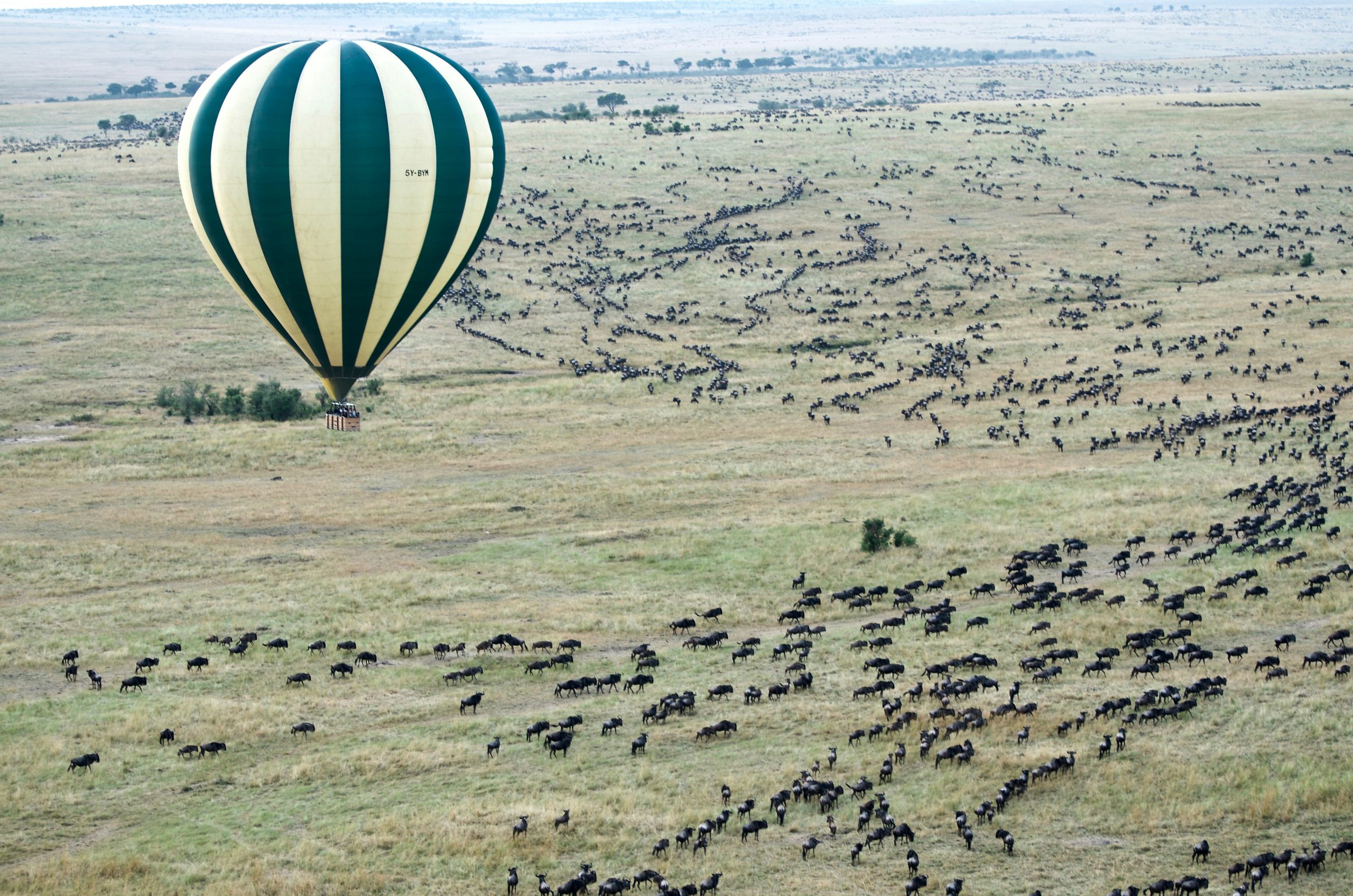
The Masai Mara Migration is one of the most breathtaking natural events on the planet. Every year, over 1.5 million wildebeest, accompanied by zebras, gazelles, and other herbivores, embark on a perilous journey across the vast plains of Tanzania’s Serengeti into Kenya’s Masai Mara National Reserve. This incredible movement, often referred to as the Great Migration, is driven by the search for fresh grazing lands and water.
This article delves deep into the Masai Mara Migration, exploring its timeline, key highlights, best times to visit, and how to experience this awe-inspiring spectacle.
Understanding the Great Masai Mara Migration
The Great Migration is a continuous cycle of movement dictated by rainfall patterns and food availability. It is considered one of the Seven Natural Wonders of Africa and is often dubbed the “World Cup of Wildlife.”
The Migration Cycle
The migration follows a predictable pattern each year:
- January – March: Calving Season in the Serengeti
- The journey begins in the Southern Serengeti, where thousands of wildebeest give birth.
- Predators such as lions, cheetahs, and hyenas take advantage of the vulnerable newborns.
- This period offers excellent opportunities for witnessing dramatic predator-prey interactions.
- April – June: The Journey North Begins
- As the dry season sets in, the herds begin their northward trek in search of greener pastures.
- The migration moves towards the Western Corridor of the Serengeti.
- The Grumeti River crossing presents the first major challenge, with crocodiles lurking in the waters.
- July – October: The Iconic Mara River Crossing
- This is the most dramatic and famous phase of the migration.
- Thousands of wildebeest attempt to cross the Mara River, facing strong currents and hungry crocodiles.
- The Masai Mara National Reserve becomes the prime location for witnessing this breathtaking event.
- November – December: The Return to the Serengeti
- As the short rains begin, the herds start their journey back to the Serengeti.
- The cycle repeats, ensuring the survival of the species through constant movement.
Best Time to Witness the Masai Mara Migration
The best time to visit the Masai Mara for the migration depends on what aspect of the journey you want to witness:
- July to October – Ideal for the Mara River crossing, where dramatic predator-prey encounters occur.
- January to March – Best for the calving season, offering incredible predator action.
- April to June – A quieter period with fewer tourists, but still a great time to see the migration in motion.
Where to Stay in the Masai Mara
To fully experience the migration, staying in the right location is crucial. Here are some top luxury lodges and camps in the Masai Mara:
Luxury Safari Lodges
- Angama Mara – Offers breathtaking views of the Mara plains.
- Mara Plains Camp – A luxurious tented camp with exclusive game-viewing experiences.
- Sanctuary Olonana – A five-star eco-lodge with a focus on sustainability.
Mid-Range Camps
- Entim Mara Camp – Located near the Mara River, perfect for migration viewing.
- Governors’ Camp – A historic safari camp with excellent wildlife sightings.
Budget-Friendly Options
- Mara Sopa Lodge – A comfortable and affordable lodge.
- Miti Mingi Eco Camp – A great budget-friendly option for adventurous travelers.
How to Experience the Masai Mara Migration
There are several ways to witness the Great Migration up close:
1. Game Drives
- The most popular way to see the migration.
- Early morning and late afternoon drives offer the best wildlife encounters.
2. Hot Air Balloon Safari
- A once-in-a-lifetime experience offering a bird’s-eye view of the migration.
- Ends with a champagne breakfast in the bush.
3. Walking Safaris
- Led by experienced Maasai guides.
- Provides an intimate experience with nature.
4. Cultural Tours with the Maasai People
- Learn about the Maasai culture, traditions, and way of life.
- Visit a Maasai village and interact with local communities.
Conservation Efforts in the Masai Mara
The Masai Mara ecosystem faces several challenges, including poaching, habitat destruction, and human-wildlife conflict. Conservation efforts are crucial to preserving this natural wonder.
Key Conservation Initiatives
- Mara Conservancies – Private conservancies work to protect wildlife while benefiting local communities.
- Anti-Poaching Programs – Organizations such as the Mara Elephant Project combat poaching.
- Sustainable Tourism – Eco-friendly lodges and responsible tourism practices help maintain the ecosystem.
Frequently Asked Questions (FAQ)
1. What is the best time to see the Masai Mara Migration?
The best time to witness the migration is from July to October, when the Mara River crossing occurs. However, the calving season (January to March) is also an exciting time to visit.
2. How long does the Great Migration last?
The Great Migration is a year-round event, but the most dramatic moments, such as the river crossings, occur between July and October.
3. Is it safe to visit the Masai Mara?
Yes, the Masai Mara is a safe destination for tourists. Safari lodges and camps have strict security measures, and guided game drives ensure a safe wildlife experience.
4. How do I get to the Masai Mara?
You can fly into Jomo Kenyatta International Airport (Nairobi) and take a domestic flight to the Masai Mara airstrips. Alternatively, you can opt for a road safari, which takes about 5-6 hours from Nairobi.
5. What should I pack for a Masai Mara safari?
Essential items include:
- Lightweight clothing (neutral colors)
- Binoculars for wildlife viewing
- Camera with a zoom lens
- Sunscreen and insect repellent
- Comfortable walking shoes
Conclusion
The Masai Mara Migration is a once-in-a-lifetime experience that showcases the raw beauty of Africa’s wilderness. Whether you witness the thrilling Mara River crossing, the serene calving season, or the endless movement of wildebeest, this natural spectacle is truly unforgettable.
For an immersive experience, plan your trip carefully, choose the right accommodation, and embrace the adventure that awaits in the heart of Kenya’s Masai Mara National Reserve.
Would you like assistance in planning your Masai Mara safari adventure?