
Where to Get Gorilla Vaccines
Where to Get Gorilla Vaccines
Where to Get Gorilla Vaccines: A Comprehensive Guide to Conservation Immunization Efforts
Introduction
In the realm of wildlife conservation, few challenges are as pressing as the protection of endangered primates such as gorillas. These majestic creatures, sharing over 98% of their DNA with humans, are highly susceptible to many of the same infectious diseases that affect us. The rise of zoonotic diseases and the threat of pandemics have made gorilla vaccination a critical tool in conservation strategies.
But where exactly can you get gorilla vaccines? Who administers them? And how are they developed? This article delves deep into the world of wildlife immunization, focusing on gorillas, and provides a detailed roadmap for understanding where and how these vital vaccines are sourced, distributed, and applied.
The Importance of Gorilla Vaccination
Gorillas, especially the mountain gorilla and eastern lowland gorilla, are critically endangered. Their populations are threatened by:
- Habitat destruction
- Poaching
- Human-wildlife conflict
- Infectious diseases
Diseases such as measles, Ebola, and COVID-19 have proven especially dangerous. In fact, the Ebola virus has wiped out up to one-third of some gorilla populations in Central Africa.
Why Vaccinate Gorillas?
Vaccination is not just about protecting individual animals. It’s about:
- Preserving genetic diversity
- Preventing extinction
- Protecting ecosystems
- Reducing the risk of zoonotic spillover
Organizations like the Wildlife Conservation Society, Gorilla Doctors, and Jane Goodall Institute have been at the forefront of these efforts.
Where Are Gorilla Vaccines Developed?
Vaccines for gorillas are not typically available through commercial veterinary suppliers. Instead, they are developed through:
1. Research Institutions
- University of California, Davis – Their One Health Institute collaborates with conservationists to develop and test vaccines for wildlife.
- Emory University – Known for its work on primate immunology.
2. Government and International Health Agencies
- Centers for Disease Control and Prevention (CDC) – Provides expertise and sometimes funding for vaccine development.
- World Health Organization (WHO) – Offers guidance on zoonotic disease prevention.
3. Non-Governmental Organizations (NGOs)
- EcoHealth Alliance – Works on disease ecology and has been involved in primate health surveillance.
- Gorilla Doctors – A veterinary team that monitors and treats gorillas in the wild, including vaccination efforts.
How Are Gorilla Vaccines Administered?
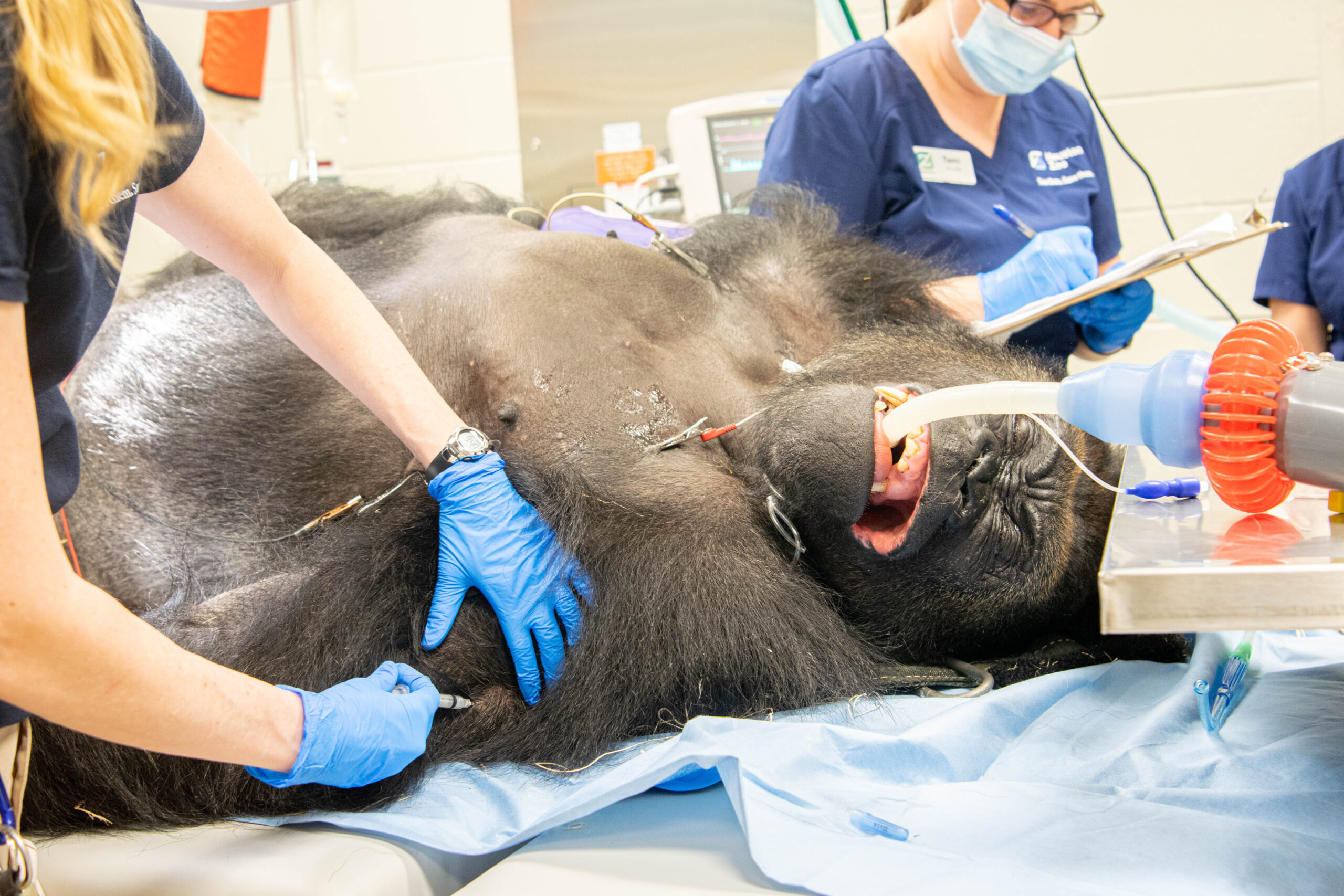
Vaccinating a gorilla is no small feat. It requires:
- Field veterinarians trained in wildlife medicine
- Dart guns or blow darts for remote delivery
- Anesthesia for close-contact procedures
- Monitoring teams to track health post-vaccination
Vaccination Protocols
Protocols vary depending on the disease, but typically include:
- Pre-vaccination health assessments
- Use of recombinant or attenuated vaccines (to reduce side effects)
- Follow-up monitoring for immune response
Where to Get Gorilla Vaccines
If you’re part of a conservation organization, research institute, or government agency, here are the primary sources:
1. Wildlife Health Organizations
- Gorilla Doctors: They have direct access to vaccines and are licensed to administer them in Rwanda, Uganda, and the DRC.
- Mountain Gorilla Veterinary Project: A key player in gorilla health since the 1980s.
2. International Research Collaborations
- Global Health Program at Smithsonian’s National Zoo: Partners with field teams to develop and distribute vaccines.
- Wildlife Conservation Society: Offers logistical support and sometimes vaccine access for field teams.
3. Governmental Wildlife Agencies
- Uganda Wildlife Authority (UWA)
- Rwanda Development Board (RDB)
- Institut Congolais pour la Conservation de la Nature (ICCN)
These agencies often coordinate with NGOs and research institutions to approve and distribute vaccines.
Challenges in Gorilla Vaccination
Despite the progress, several hurdles remain:
Logistical Barriers
- Remote and rugged terrain
- Limited cold storage for vaccine transport
- Political instability in some regions
Scientific Challenges
- Lack of species-specific vaccines
- Limited data on long-term effects
- Risk of adverse reactions
Ethical Considerations
- Intervening in wild populations
- Balancing conservation with natural selection
- Potential for human disease transmission during vaccination
Success Stories in Gorilla Vaccination
Ebola Vaccine Trials
In 2012, a recombinant Ebola vaccine was tested on captive chimpanzees and later adapted for wild gorillas. The vaccine showed:
- 100% efficacy in lab tests
- Promising immune responses in field trials
COVID-19 Vaccine for Great Apes
In 2021, the San Diego Zoo vaccinated its gorillas with an experimental COVID-19 vaccine developed by Zoetis. This marked the first time great apes received a vaccine specifically designed for them.
The Future of Gorilla Vaccination
Genetic Engineering and mRNA Vaccines
The success of mRNA vaccines in humans has opened doors for wildlife applications. Researchers are exploring:
- mRNA-based Ebola vaccines
- Custom vaccines for simian immunodeficiency virus (SIV)
AI and Disease Surveillance
Artificial intelligence is being used to:
- Predict outbreaks
- Track vaccine efficacy
- Model disease spread in gorilla populations
Community Involvement
Local communities are being trained to:
- Monitor gorilla health
- Report symptoms
- Support vaccination campaigns
How You Can Help
You don’t need to be a vet to support gorilla vaccination. Here’s how you can contribute:
Donate to Trusted Organizations
Support Eco-Tourism
Responsible tourism funds conservation and health programs. Choose operators that:
- Follow strict health protocols
- Limit group sizes
- Maintain safe distances from gorillas
Advocate for Wildlife Health
Raise awareness about the importance of wildlife vaccination and disease prevention. Share articles, support policy changes, and educate others.
FAQ – Frequently Asked Questions
1. Can gorillas get the same vaccines as humans?
No. While gorillas share much of our DNA, their immune systems are different. Vaccines must be adapted or specifically developed for them. Some human vaccines, like the measles vaccine, have been used in emergencies, but only under strict veterinary supervision.
2. Are gorilla vaccines available to the public?
No. These vaccines are restricted to licensed veterinarians and conservation organizations. They are not sold commercially and are often developed in limited quantities for specific populations.
3. How are gorilla vaccines tested?
Vaccines are first tested in lab settings, often on closely related species (like chimpanzees). Field trials follow, with close monitoring for side effects and immune response. Ethical review boards oversee all testing phases.
4. What diseases are gorillas vaccinated against?
The most common diseases include:
- Ebola
- Measles
- COVID-19
- Rabies (in some regions)
- Simian immunodeficiency virus (experimental)
5. How effective are these vaccines?
Efficacy varies by disease and vaccine type. For example, the Ebola vaccine has shown nearly 100% efficacy in trials. COVID-19 vaccines for gorillas are still being evaluated but have shown promising results in zoos.
Conclusion
The world of gorilla vaccination is a testament to the intersection of science, compassion, and conservation. While you can’t walk into a pharmacy and buy a gorilla vaccine, there are dedicated institutions working tirelessly to protect these endangered giants from the invisible threats of disease.
By supporting these efforts—whether through donations, advocacy, or responsible tourism—you become part of a global movement to ensure that future generations can witness the awe-inspiring presence of gorillas in the wild.