
Kenya Tourism
Kenya Tourism
Discover Kenya: A Complete Guide to Tourism in the Heart of Africa
Introduction
Kenya, located in East Africa, is a country of stunning contrasts and natural beauty. From the snow-capped peaks of Mount Kenya to the golden savannahs of the Maasai Mara, and from bustling urban centers to tranquil coastal towns, Kenya offers a rich and diverse travel experience. This guide explores the many facets of tourism in Kenya, offering insights into its landscapes, wildlife, cultures, and travel tips for anyone planning to visit.
Why Visit Kenya?
Kenya is a destination that appeals to a wide range of travelers. Whether you’re interested in wildlife, culture, adventure, or relaxation, there’s something here for everyone.
Highlights of Visiting Kenya:
- Incredible Wildlife: Kenya is home to the “Big Five”—lion, elephant, buffalo, leopard, and rhino—and countless other species.
- Diverse Landscapes: From deserts and lakes to mountains and beaches, the scenery is ever-changing.
- Cultural Richness: Over 40 ethnic groups, each with its own traditions, languages, and customs.
- Adventure Opportunities: Hiking, rafting, diving, and more.
- Warm Hospitality: Visitors often speak of the friendliness and warmth of the Kenyan people.
Top Tourist Attractions in Kenya
1. Maasai Mara National Reserve
The Maasai Mara is one of the most famous wildlife reserves in the world. It’s especially known for the Great Migration, where millions of wildebeest, zebras, and gazelles move through the park in search of greener pastures.
Things to Do:
- Game drives
- Hot air balloon safaris
- Visiting Maasai villages
2. Amboseli National Park
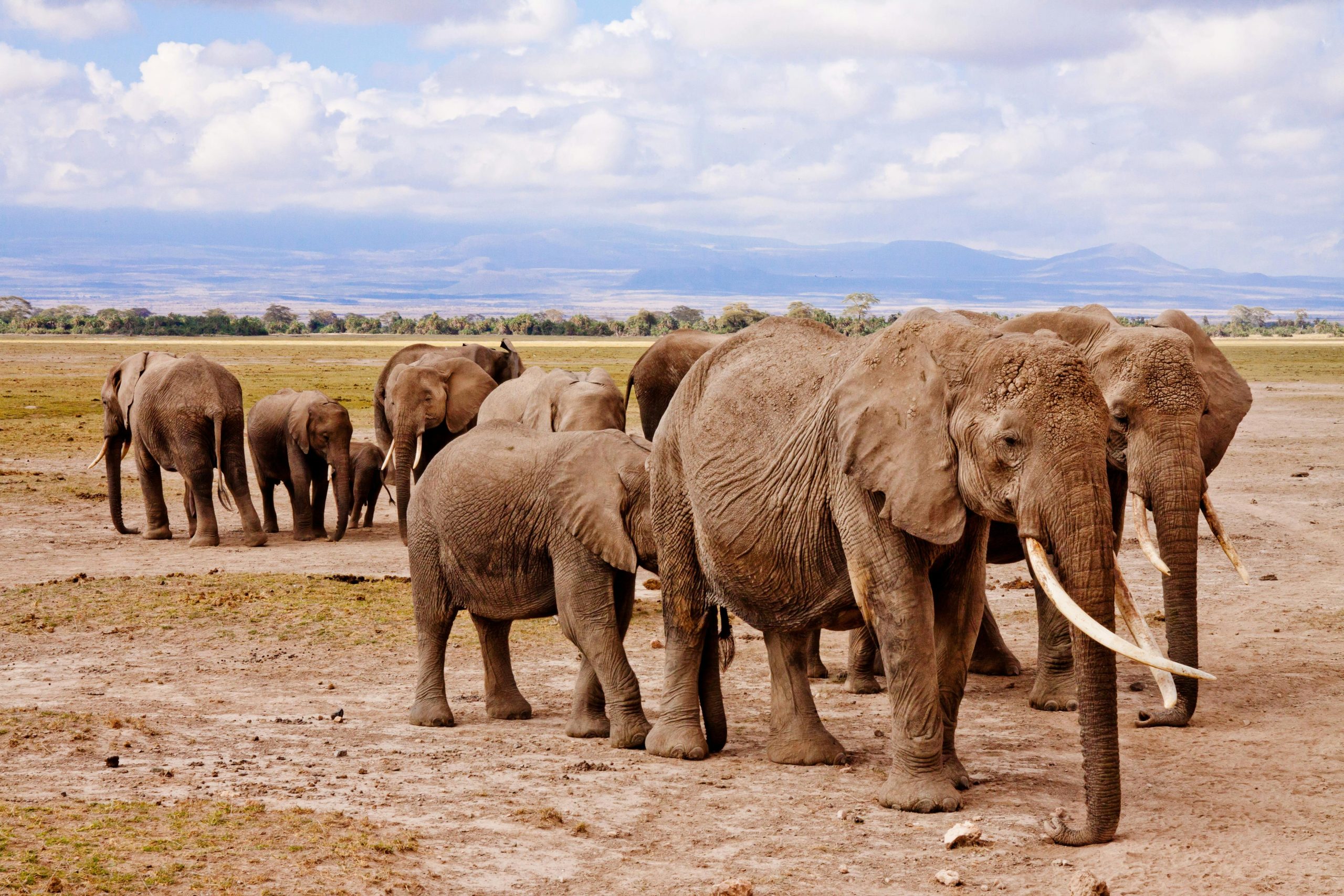
Located in southern Kenya, Amboseli offers stunning views of Mount Kilimanjaro and is known for its large elephant herds.
3. Lake Nakuru National Park
This park is famous for its flamingo-covered lake and is also a sanctuary for rhinos and other wildlife.
4. Nairobi
Kenya’s capital is a vibrant city with a mix of modern and traditional attractions.
Places to Visit:
- Nairobi National Park
- David Sheldrick Wildlife Trust
- Giraffe Centre
- Karen Blixen Museum
5. Lamu Island
A peaceful island off the northern coast, Lamu is a UNESCO World Heritage Site with a rich Swahili culture and architecture.
6. Mount Kenya
The second-highest mountain in Africa, Mount Kenya offers trekking routes for both beginners and experienced climbers.
Kenya’s Coastal Attractions
Kenya’s coastline is dotted with beautiful beaches, coral reefs, and historic towns.
Popular Beaches:
- Diani Beach: Known for its white sands and turquoise waters.
- Watamu: A quiet town with a marine park and excellent snorkeling.
- Malindi: Offers a mix of beach life and cultural experiences.
Coastal Activities:
- Scuba diving and snorkeling
- Dolphin watching
- Exploring ancient ruins like Gedi
Cultural Experiences
Kenya’s cultural diversity is one of its most enriching aspects. Visitors can learn about different communities and their ways of life.
Cultural Activities:
- Visit a Maasai village
- Attend traditional music and dance performances
- Explore local markets and try traditional foods
- Participate in community-based tourism projects
Adventure Travel in Kenya
For those seeking excitement, Kenya offers a wide range of adventure activities.
Adventure Options:
- Climbing Mount Kenya
- White water rafting on the Tana River
- Skydiving over Diani Beach
- Paragliding in the Kerio Valley
- Camel safaris in northern Kenya
Conservation and Ecotourism
Kenya is a leader in wildlife conservation and sustainable tourism. Many reserves and lodges work closely with local communities to protect the environment and wildlife.
Notable Conservation Areas:
- Ol Pejeta Conservancy
- Lewa Wildlife Conservancy
- David Sheldrick Elephant Orphanage
- Mara Naboisho Conservancy
When to Visit Kenya
Kenya has a generally pleasant climate, but the best time to visit depends on your interests.
Best Times:
- June to October: Dry season, ideal for safaris.
- January to March: Warm and dry, great for beach holidays.
- July to September: Best time to see the Great Migration.
Travel Essentials
Visa Information
Most travelers need a visa to enter Kenya. This can usually be obtained online before arrival.
Health Tips
- Recommended vaccinations: Yellow fever, typhoid, hepatitis A and B
- Malaria is present in some areas, so prophylaxis is advised
- Drink bottled or filtered water
Currency
- The local currency is the Kenyan Shilling (KES)
- Credit cards are accepted in major towns and hotels
- Mobile money services like M-Pesa are widely used
Accommodation in Kenya
Kenya offers a wide range of accommodations, from luxury lodges to budget hostels.
Luxury:
- Giraffe Manor (Nairobi)
- Mahali Mzuri (Maasai Mara)
- Hemingways (Watamu)
Mid-Range:
- Sarova Hotels
- Sentrim Lodges
- PrideInn Hotels
Budget:
- Hostels in Nairobi and Mombasa
- Campsites in national parks
- Guesthouses and Airbnbs
Getting Around
Kenya has a variety of transportation options for travelers.
Transport Choices:
- Domestic Flights: Fast and convenient for long distances
- Matatus: Shared minibuses, a common local mode of transport
- Taxis and Ride-Hailing Apps: Uber, Bolt, and Little Cab
- Car Rentals: Available in major cities
Kenyan Cuisine
Kenyan food is flavorful and diverse, influenced by African, Indian, and Arab cuisines.
Must-Try Dishes:
- Nyama Choma: Grilled meat, a favorite across the country
- Ugali: A maize flour staple, often served with vegetables or meat
- Sukuma Wiki: Collard greens sautéed with onions and tomatoes
- Chapati: A flatbread of Indian origin
- Pilau: Spiced rice dish
Responsible Travel Tips
Traveling responsibly helps protect Kenya’s environment and supports local communities.
How to Be a Responsible Tourist:
- Choose eco-friendly accommodations and tours
- Avoid using single-use plastics
- Respect local customs and dress modestly
- Buy local crafts and support community projects
Frequently Asked Questions
1. Is Kenya safe for tourists?
Yes, Kenya is generally safe, especially in tourist areas. However, it’s wise to stay informed, avoid isolated areas at night, and use trusted transportation.
2. What is the best time for a safari?
The dry season from June to October is ideal for safaris, as animals gather around water sources and are easier to spot.
3. Do I need a visa?
Yes, most visitors need a visa, which can be obtained online before travel.
4. What languages are spoken?
English and Swahili are the official languages. Many people also speak local languages such as Kikuyu, Luo, and Kalenjin.
5. Can I drink the tap water?
It’s best to drink bottled or filtered water to avoid stomach issues.
Conclusion
Kenya is a land of wonder, offering something for every kind of traveler. Whether you’re drawn by the wildlife, the landscapes, the cultures, or the adventure, Kenya delivers unforgettable experiences. Its people, places, and stories will stay with you long after your journey ends. If you’re seeking a destination that combines natural beauty, cultural depth, and warm hospitality, Kenya should be at the top of your list.