
Kenya Wildlife
Kenya Wildlife
Kenya Wildlife: A Journey Through Africa’s Untamed Wilderness
Introduction
Kenya, a land of breathtaking landscapes and rich biodiversity, stands as one of the most iconic destinations for wildlife enthusiasts. From the sweeping savannahs of the Maasai Mara to the snow-capped peaks of Mount Kenya, the country offers an unparalleled window into the heart of Africa’s wild beauty. Its national parks, conservancies, and game reserves are teeming with life, making it a sanctuary for some of the most majestic creatures on Earth.
This comprehensive guide explores the vast spectrum of Kenya’s wildlife, the ecosystems that support them, and the conservation efforts that ensure their survival. Whether you’re planning a safari or simply fascinated by the wonders of the natural world, this article will transport you deep into the wild heart of East Africa.
The Diverse Ecosystems of Kenya
Kenya’s geographical diversity is a key factor in its rich wildlife population. The country is divided into several ecological zones, each supporting unique flora and fauna.
1. The Savannah Grasslands
The savannahs are perhaps the most iconic landscapes in Kenya, particularly in the Maasai Mara National Reserve. These open plains are home to:
- Lions
- Elephants
- Cheetahs
- Zebras
- Wildebeests
This region is also the stage for the Great Migration, one of the most spectacular wildlife events on the planet.
2. Mountain Forests
The highlands of central Kenya, including the Aberdare Range, are cloaked in dense forests that harbor elusive species like:
- Bongo antelope
- Giant forest hogs
- Colobus monkeys
- Leopards
These forests are vital water catchment areas and are protected under various conservation initiatives.
3. Arid and Semi-Arid Zones
Northern Kenya features arid landscapes such as the Samburu National Reserve, where unique species have adapted to the harsh climate:
- Grevy’s zebras
- Reticulated giraffes
- Beisa oryx
- Somali ostriches
These regions are also home to semi-nomadic communities who coexist with wildlife.
4. Coastal and Marine Ecosystems
Kenya’s coastline along the Indian Ocean is rich in marine biodiversity. The Watamu Marine National Park and Diani Beach offer opportunities to witness:
- Sea turtles
- Dolphins
- Coral reefs
- Whale sharks
Mangrove forests and estuaries also provide critical habitats for migratory birds and aquatic species.
Iconic Wildlife Species in Kenya
Kenya is home to the “Big Five” and many other fascinating species. Let’s explore some of the most iconic animals that roam its wild spaces.
The Big Five
The term “Big Five” refers to five of Africa’s most formidable animals:
- Lion – Known as the “King of the Jungle,” lions are apex predators found in most Kenyan parks.
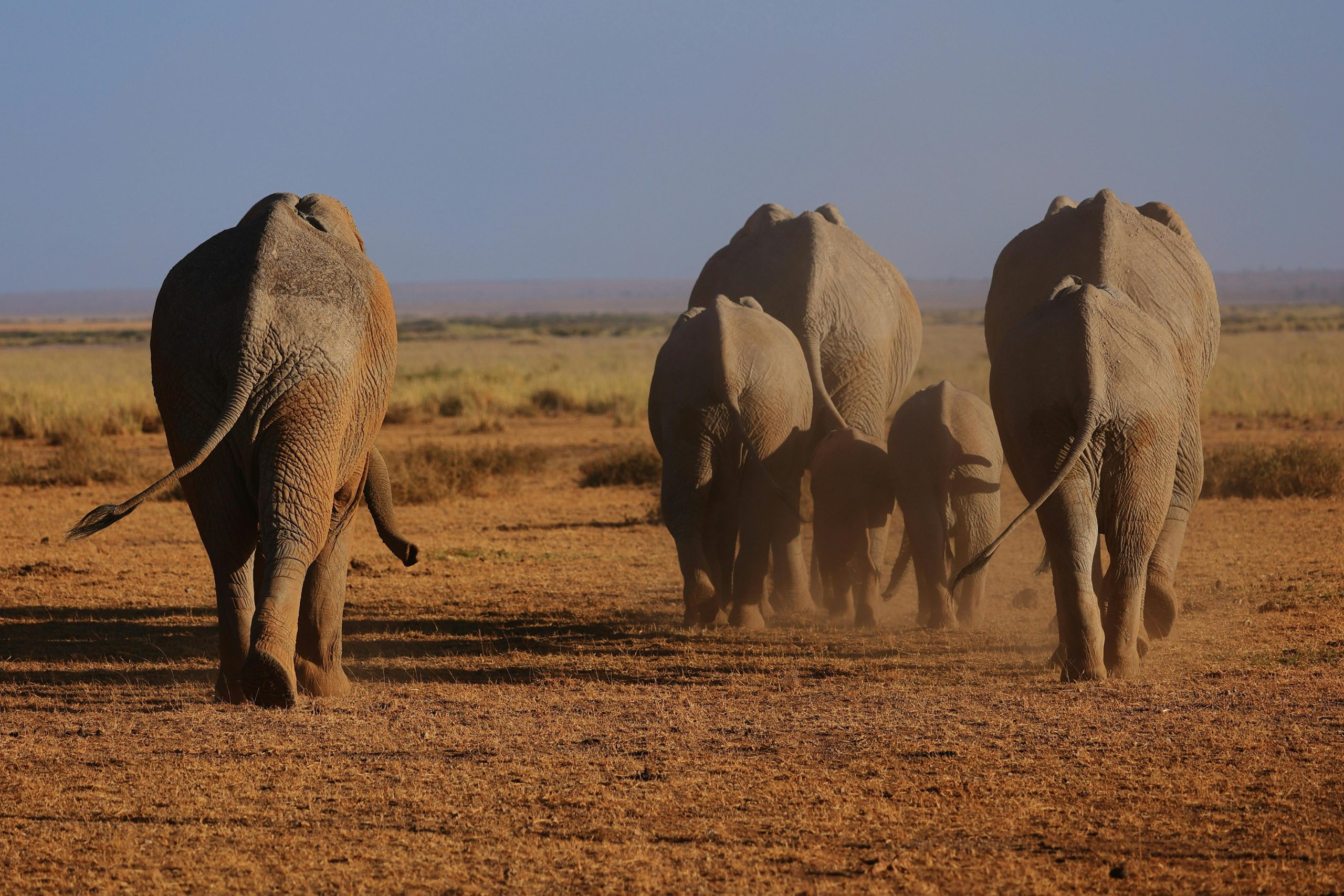
- Elephant – African elephants, the largest land mammals, are commonly seen in Amboseli and Tsavo.
- Buffalo – Cape buffaloes are dangerous and unpredictable, often found in large herds.
- Leopard – Elusive and nocturnal, leopards are best spotted in Samburu and Laikipia.
- Rhinoceros – Both black and white rhinos are protected in sanctuaries like Ol Pejeta Conservancy.
Other Notable Species
- Cheetah – The fastest land animal, often seen in the Maasai Mara.
- Giraffe – Kenya hosts three subspecies: Rothschild’s, Reticulated, and Masai giraffes.
- Zebra – Both plains and Grevy’s zebras roam the grasslands.
- Hippos and Crocodiles – Common in rivers and lakes such as the Mara River.
- Birds – Over 1,100 bird species, including flamingos, eagles, and hornbills.
Top Wildlife Destinations in Kenya
1. Maasai Mara National Reserve
Famed for the Great Wildebeest Migration, the Maasai Mara is a must-visit for any wildlife lover. It offers:
- Year-round game viewing
- Hot air balloon safaris
- Cultural interactions with the Maasai people
2. Amboseli National Park
Located at the foot of Mount Kilimanjaro, Amboseli is known for:
- Large elephant herds
- Scenic views of the mountain
- Swamps and wetlands that attract diverse fauna
3. Tsavo National Parks (East and West)
Together forming Kenya’s largest protected area, Tsavo is known for:
- Red elephants
- Lava flows and volcanic landscapes
- Birdwatching opportunities
4. Samburu National Reserve
This semi-arid region is home to the “Samburu Special Five”:
- Grevy’s zebra
- Somali ostrich
- Reticulated giraffe
- Gerenuk
- Beisa oryx
5. Lake Nakuru National Park
A haven for bird lovers, Lake Nakuru is famous for:
- Flamingo flocks
- White rhinos
- Waterfalls and acacia woodlands
Conservation Efforts and Challenges
Wildlife Conservation in Kenya
Kenya has made significant strides in wildlife conservation through:
- Community Conservancies – Local communities manage wildlife areas, benefiting from tourism revenue.
- Anti-Poaching Units – Armed rangers and surveillance technologies combat poaching.
- Wildlife Corridors – These connect fragmented habitats, allowing animals to migrate safely.
- Sanctuaries – Places like the David Sheldrick Wildlife Trust rescue and rehabilitate orphaned animals.
Challenges Facing Kenyan Wildlife
Despite progress, several threats persist:
- Habitat Loss – Urbanization and agriculture encroach on natural habitats.
- Human-Wildlife Conflict – As populations grow, encounters between people and animals increase.
- Climate Change – Droughts and erratic weather patterns affect ecosystems.
- Illegal Wildlife Trade – Poaching for ivory, skins, and exotic pets remains a concern.
Sustainable Tourism and Eco-Safaris
Kenya is a pioneer in eco-tourism, offering sustainable travel experiences that support conservation and local communities.
Principles of Eco-Tourism
- Minimize environmental impact
- Respect local cultures
- Support conservation efforts
- Provide economic benefits to locals
Recommended Eco-Lodges and Camps
- Ol Pejeta Bush Camp – Supports rhino conservation
- Saruni Samburu – Community-owned and operated
- Basecamp Explorer – Works closely with the Maasai community
Activities for Responsible Travelers
- Guided nature walks
- Birdwatching tours
- Volunteering at wildlife sanctuaries
- Visiting community projects
Kenya’s Role in Global Conservation
Kenya is a leader in international conservation efforts. It hosts key organizations and events, such as:
- UN Environment Programme (UNEP) – Headquartered in Nairobi
- African Wildlife Foundation – Active in habitat preservation
- Global Wildlife Conferences – Kenya regularly participates in CITES and IUCN forums
Future Outlook: Protecting Kenya’s Natural Heritage
The future of Kenya’s wildlife depends on:
- Strengthening conservation laws
- Enhancing community involvement
- Promoting sustainable tourism
- Investing in education and awareness
With continued global support and local commitment, Kenya can remain a beacon of hope for wildlife conservation.
Frequently Asked Questions (FAQ)
1. What is the best time to visit Kenya for wildlife viewing?
The dry seasons from June to October and January to February offer the best game viewing opportunities. The Great Migration typically occurs between July and October.
2. Is it safe to go on a safari in Kenya?
Yes, safaris in Kenya are generally safe when organized by reputable tour operators. Always follow park regulations and guide instructions.
3. What animals can I see in the Maasai Mara?
You can see the Big Five, cheetahs, hyenas, wildebeests, zebras, and a variety of birds. The Maasai Mara is one of the best places for wildlife photography.
4. How does tourism support wildlife conservation in Kenya?
Tourism generates revenue that funds park management, anti-poaching efforts, and community development. Many lodges also contribute directly to conservation projects.
5. Can I volunteer with wildlife conservation programs in Kenya?
Yes, several organizations like the David Sheldrick Wildlife Trust and Wildlife Works offer volunteer opportunities.
Conclusion
Kenya’s wildlife is a testament to the raw, untamed beauty of nature. From the thunder of hooves during the Great Migration to the silent grace of a stalking leopard, every moment spent in the wilds of Kenya is unforgettable. As we move forward, it is our collective responsibility to protect this natural heritage for future generations. Whether you visit as a tourist, support conservation efforts, or simply spread awareness, you become part of the story of Kenya’s wildlife.