
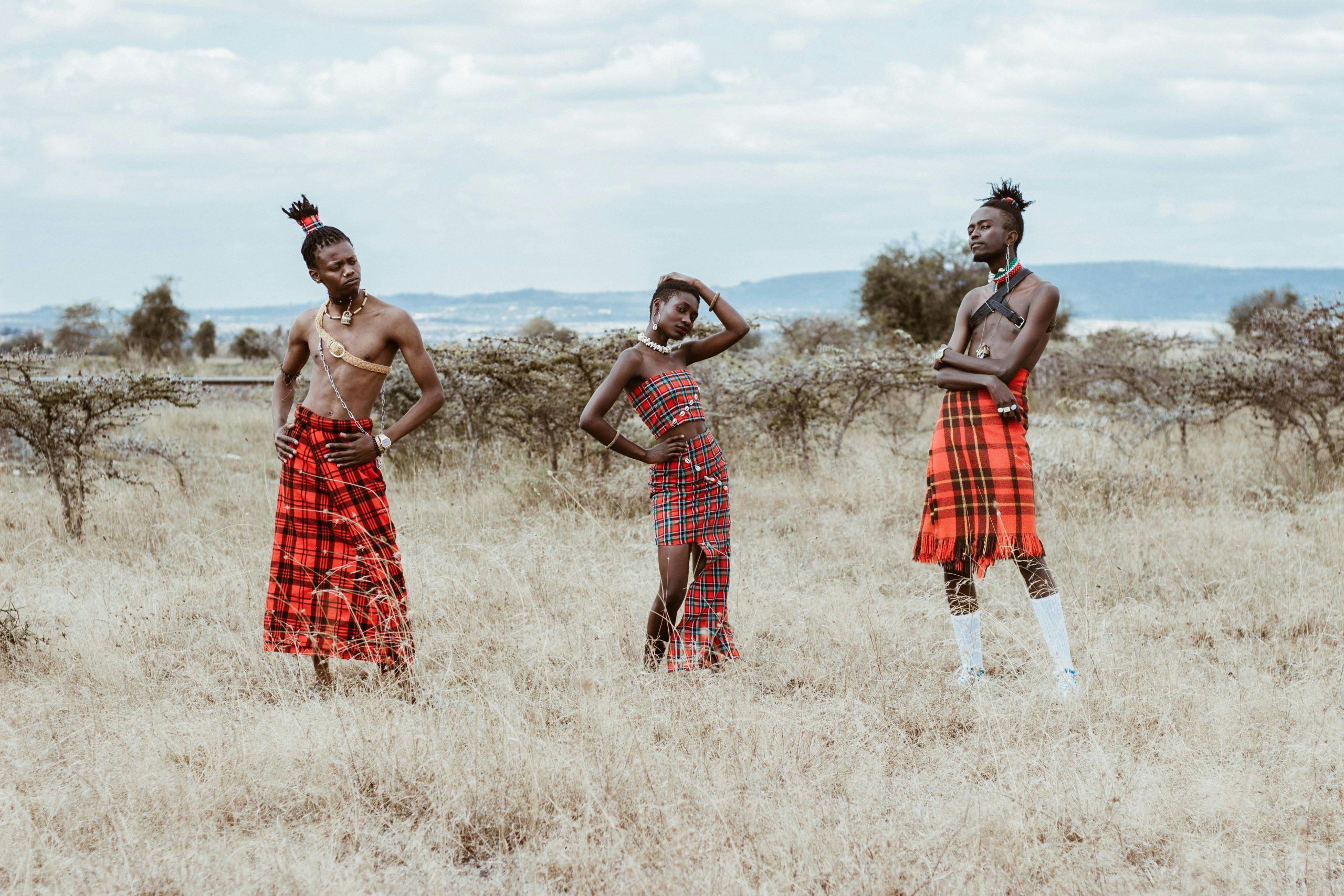
Masai Tanzania
Masai Tanzania
Discovering the Masai of Tanzania: A Deep Dive into Culture, Heritage, and Modern Identity
Introduction
Nestled in the heart of East Africa, the Masai of Tanzania are one of the most iconic and culturally rich ethnic groups on the continent. Known for their vibrant attire, semi-nomadic lifestyle, and deep-rooted traditions, the Masai (also spelled Maasai) have long fascinated anthropologists, travelers, and cultural enthusiasts alike. This article offers a comprehensive exploration of their history, customs, challenges, and evolving identity in the 21st century.
Who Are the Masai?
The Masai people are a Nilotic ethnic group primarily inhabiting northern Tanzania and southern Kenya. They are renowned for maintaining their traditional lifestyle despite the pressures of modernization and globalization. Their population in Tanzania is estimated at over 800,000, with communities spread across the Arusha, Manyara, Mara, and Kilimanjaro regions.
Origins and Migration
Anthropological evidence suggests that the Masai migrated southward from the Nile Valley region around the 15th century. They settled in the Great Rift Valley, attracted by its fertile lands and abundant grazing opportunities for their cattle. Their migration patterns were dictated by seasonal changes and the availability of water and pasture, which shaped their semi-nomadic pastoralist lifestyle.
Cultural Identity and Social Structure
The Masai culture is deeply intertwined with their livestock, especially cattle, which are considered sacred and central to their way of life. Cattle are not only a source of food but also a symbol of wealth, status, and spiritual connection.
Language and Communication
The Masai speak Maa, a Nilotic language, although most are also fluent in Swahili, the national language of Tanzania, and increasingly in English due to education and tourism.
Clan System and Age Sets
Masai society is organized into clans and age sets. The age set system is particularly unique, grouping males into cohorts that progress through life stages together—from childhood to elderhood. This structure fosters unity and shared responsibility.
Role of Elders and Warriors
- Elders: Custodians of wisdom and decision-makers in the community.
- Morans (Warriors): Young men trained in combat and survival, responsible for protecting the community and livestock.
Traditional Attire and Adornments
The Masai are easily recognized by their striking clothing and jewelry. Their traditional dress, known as the shúkà, is a red or blue cloth wrapped around the body. Red is the most prominent color, symbolizing bravery and unity.
Jewelry and Body Art
- Beaded necklaces and earrings are worn by both men and women.
- Jewelry patterns often signify marital status, age, and social standing.
- Ear stretching and intricate hairstyles are common forms of personal expression.
Spiritual Beliefs and Practices
The Masai follow a monotheistic belief system centered around Enkai (or Engai), a deity associated with fertility, rain, and life. Their spiritual practices are closely tied to nature and the cycles of the earth.
Rituals and Ceremonies
- Eunoto: A rite of passage marking the transition from warrior to elder.
- Enkipaata: Initiation ceremony for boys entering adulthood.
- Emuratta: Circumcision ritual, a key cultural milestone.
These ceremonies often involve singing, dancing, and storytelling, reinforcing communal bonds and cultural continuity.
The Role of Women in Masai Society
While traditionally patriarchal, Masai society is gradually evolving in its treatment of women. Women are primarily responsible for building homes (enkangs), raising children, and managing household duties. However, education and advocacy are empowering more Masai women to take on leadership roles and pursue careers outside the home.
Challenges Faced by Women
- Limited access to education
- Early marriage and female genital mutilation (FGM)
- Economic dependency
Progress and Empowerment
Organizations such as Maasai Women Development Organization (MWEDO) are working to improve health, education, and economic opportunities for Masai women in Tanzania.
Masai and the Environment
The Masai have a deep respect for the land and its resources. Their traditional knowledge of sustainable grazing and water conservation has allowed them to thrive in arid and semi-arid environments for centuries.
Coexistence with Wildlife
Living near national parks like Serengeti and Ngorongoro, the Masai have developed a symbiotic relationship with wildlife. However, this proximity also leads to conflicts over land use and conservation policies.
Tourism and Cultural Exchange
The Masai are a major draw for tourists visiting Tanzania. Cultural tours, homestays, and craft markets offer visitors a glimpse into their way of life. While tourism provides income, it also risks commodifying their culture.
Ethical Tourism Tips
- Choose community-led tours
- Respect local customs and privacy
- Purchase authentic crafts directly from artisans
Education and Modernization
Access to education among the Masai is improving, though challenges remain. Government initiatives and NGOs are building schools and offering scholarships to Masai children, especially girls.
Balancing Tradition and Progress
Many young Masai are navigating the tension between preserving their heritage and embracing modern opportunities. Some pursue careers in urban centers while maintaining strong ties to their communities.
Land Rights and Political Representation
Land is central to the Masai identity, but disputes over land ownership and usage have long plagued the community. Government policies and commercial interests often clash with traditional land use practices.
Advocacy and Legal Battles
Masai leaders and activists are increasingly using legal channels and international platforms to assert their rights. Organizations like Minority Rights Group International support their efforts to secure land tenure and political voice.
Challenges Facing the Masai Today
Despite their resilience, the Masai face numerous challenges:
- Climate change affecting grazing patterns and water availability
- Encroachment and land dispossession due to tourism and agriculture
- Cultural erosion from globalization and urban migration
- Health issues, including limited access to medical care
The Future of the Masai in Tanzania
The Masai are at a crossroads. While modernization offers new opportunities, it also threatens the fabric of their traditional society. The future lies in finding a balance—preserving cultural heritage while adapting to a changing world.
Strategies for Sustainable Development
- Promoting bilingual education in Maa and Swahili
- Supporting eco-tourism and community-based conservation
- Encouraging youth engagement in cultural preservation
- Strengthening legal frameworks for land and human rights
Frequently Asked Questions (FAQ)
1. What is the origin of the Masai people?
The Masai are believed to have migrated from the Nile Valley region around the 15th century, settling in the Great Rift Valley due to its fertile lands and water sources.
2. What language do the Masai speak?
They primarily speak Maa, a Nilotic language. However, many are also fluent in Swahili and English, especially those involved in tourism or education.
3. What is the significance of cattle in Masai culture?
Cattle are central to Masai life, serving as a source of food, wealth, and spiritual connection. They are used in rituals, dowries, and as a measure of social status.
4. How do the Masai view modern education?
While traditionalists were initially skeptical, modern education is increasingly valued. Many Masai now see it as essential for community development and empowerment, particularly for girls.
5. Are the Masai involved in conservation efforts?
Yes, many Masai communities are active in wildlife conservation and eco-tourism, often partnering with NGOs and government agencies to protect their lands and biodiversity.
Conclusion
The Masai of Tanzania are more than just a symbol of African tradition—they are a living, evolving community navigating the complexities of the modern world. Their resilience, cultural richness, and adaptability serve as a testament to the enduring power of indigenous knowledge and identity. As Tanzania continues to develop, the Masai will undoubtedly play a vital role in shaping a future that honors the past while embracing progress.