
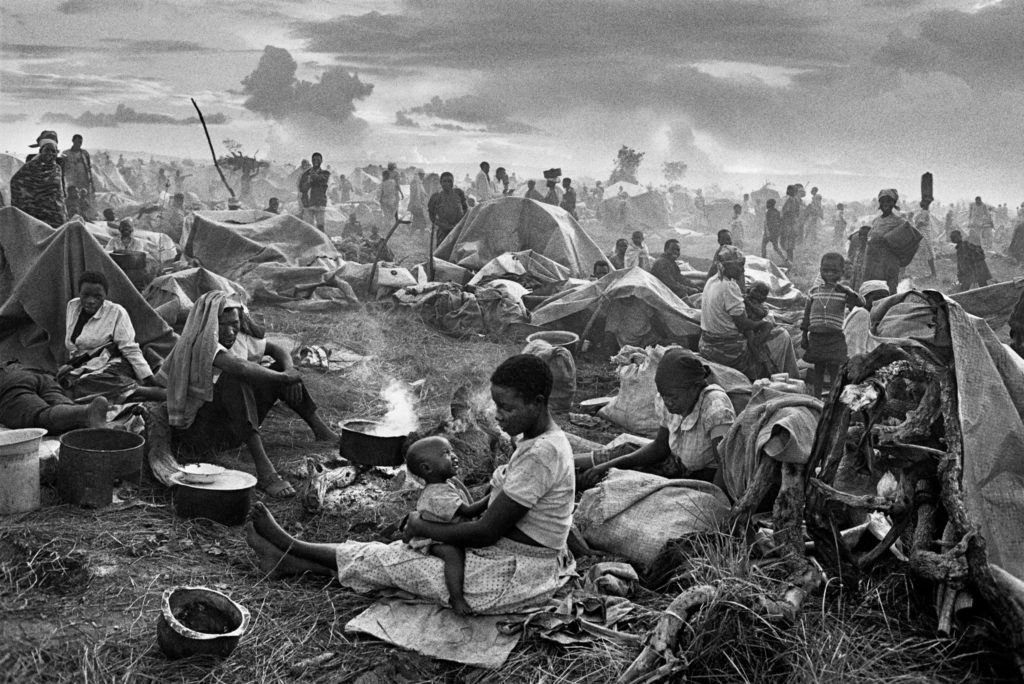
Rwanda Ethnic History
Rwanda Ethnic History
Rwanda Ethnic History: A Deep Dive into the Roots, Conflicts, and Reconciliation
Introduction
Rwanda, a small yet profoundly significant country in East Africa, is often remembered globally for the tragic genocide of 1994. However, the ethnic history of Rwanda is far more complex and nuanced than a single event. Understanding the intricate tapestry of its ethnic groups—primarily the Hutu, Tutsi, and Twa—requires a deep exploration into centuries of social, political, and cultural evolution.
In this comprehensive article, we will unravel the ethnic history of Rwanda, tracing its origins, colonial manipulations, post-independence struggles, and the ongoing journey towards unity and reconciliation.
The Origins of Rwanda’s Ethnic Groups
Pre-Colonial Rwanda
Before the arrival of European colonizers, Rwanda was a well-organized kingdom, characterized by a sophisticated social structure. The three primary groups—Hutu, Tutsi, and Twa—coexisted, with social mobility allowing individuals to move between groups based on wealth and cattle ownership.
- Hutu: Traditionally agriculturalists, forming the majority.
- Tutsi: Primarily cattle herders, often associated with the aristocracy.
- Twa: A marginalized pygmy group, known for hunting and pottery.
The distinctions were more socio-economic than ethnic, and intermarriage was common.
The Myth of Racial Differences
European colonizers, particularly the Germans and later the Belgians, introduced the Hamitic hypothesis, suggesting that the Tutsi were racially superior due to their “Caucasoid” features. This pseudo-scientific theory laid the groundwork for deep-seated divisions.
Colonial Manipulation and Its Consequences
German and Belgian Rule
The Germans, and subsequently the Belgians after World War I, ruled Rwanda indirectly through the Tutsi monarchy. They institutionalized ethnic identities by:
- Issuing identity cards specifying ethnicity.
- Favoring Tutsi in education and administrative roles.
- Marginalizing the Hutu majority.
This systemic favoritism sowed seeds of resentment that would later erupt into violence.
The Introduction of Ethnic Identity Cards
In 1933, the Belgians mandated ethnic identity cards, crystallizing fluid social categories into rigid ethnic divisions. This policy entrenched inequalities and fueled animosity.
The Road to Independence and Rising Tensions
The Hutu Revolution (1959-1961)
By the late 1950s, Hutu intellectuals began advocating for greater political representation. The Hutu Revolution led to:
- The overthrow of the Tutsi monarchy.
- Mass killings and displacement of Tutsi.
- Establishment of a Hutu-led republic in 1962.
Post-Independence Rwanda
Under Hutu leadership, policies of exclusion and periodic violence against Tutsi persisted. Many Tutsi fled to neighboring countries, forming exile communities that would later play crucial roles in Rwanda’s future conflicts.
The Genocide Against the Tutsi (1994)
Prelude to Genocide
Decades of propaganda, political instability, and ethnic scapegoating culminated in the 1994 genocide. The assassination of President Juvénal Habyarimana served as the catalyst for mass slaughter.
The Tragedy Unfolds
Over approximately 100 days, an estimated 800,000 Tutsi and moderate Hutu were brutally murdered. The Rwandan Patriotic Front (RPF), led by Paul Kagame, eventually halted the genocide.
Post-Genocide Rwanda: Rebuilding and Reconciliation
Justice and Accountability
In the aftermath, Rwanda pursued justice through:
- International Criminal Tribunal for Rwanda (ICTR): Prosecuted high-level perpetrators.
- Gacaca Courts: Community-based justice systems aimed at promoting reconciliation.
National Unity and Identity
The Rwandan government, under Kagame’s leadership, has emphasized a national identity over ethnic divisions. Measures include:
- Abolishing ethnic identity cards.
- Promoting “Rwandanness” in education and media.
- Instituting annual Kwibuka commemorations.
Cultural and Social Impacts of Ethnic History
Literature and Art
Rwanda’s ethnic history has profoundly influenced its literature, music, and visual arts, serving both as a means of mourning and a vehicle for healing.
Economic Development
Post-genocide Rwanda has experienced remarkable economic growth, often cited as a model for post-conflict recovery. However, underlying ethnic tensions occasionally resurface, reminding the world that reconciliation is an ongoing process.
Key Takeaways
- Rwanda’s ethnic divisions were historically fluid but became rigid under colonial rule.
- Colonial favoritism towards the Tutsi exacerbated Hutu resentment.
- The 1994 genocide was the culmination of decades of ethnic tension.
- Post-genocide Rwanda focuses on unity, justice, and economic development.
Frequently Asked Questions (FAQ)
1. What were the main ethnic groups in pre-colonial Rwanda?
The primary groups were the Hutu, Tutsi, and Twa, distinguished more by socio-economic roles than rigid ethnic lines.
2. How did colonialism affect Rwanda’s ethnic relations?
Colonial powers, particularly Belgium, institutionalized ethnic divisions through identity cards and preferential treatment, deepening societal rifts.
3. What triggered the Rwandan Genocide?
The assassination of President Habyarimana in 1994 triggered the genocide, but it was rooted in long-standing ethnic tensions and political manipulation.
4. How has Rwanda addressed ethnic divisions post-genocide?
Rwanda has abolished ethnic classifications in official documents, promoted a unified national identity, and established justice mechanisms like the Gacaca Courts.
5. Is ethnicity still a sensitive topic in Rwanda today?
Yes, discussions around ethnicity remain sensitive. The government promotes unity, but underlying tensions occasionally surface, highlighting the need for continued reconciliation efforts.
Conclusion
The ethnic history of Rwanda is a profound testament to the dangers of artificial divisions and the resilience of a nation determined to heal. From pre-colonial coexistence to colonial manipulation, through genocide and into a hopeful future, Rwanda’s story is one of tragedy, resilience, and the enduring quest for unity.
Understanding Rwanda’s ethnic history is crucial not only for appreciating its past but also for supporting its journey toward a peaceful and inclusive future. As the world watches Rwanda’s remarkable transformation, it serves as both a cautionary tale and a beacon of hope.