
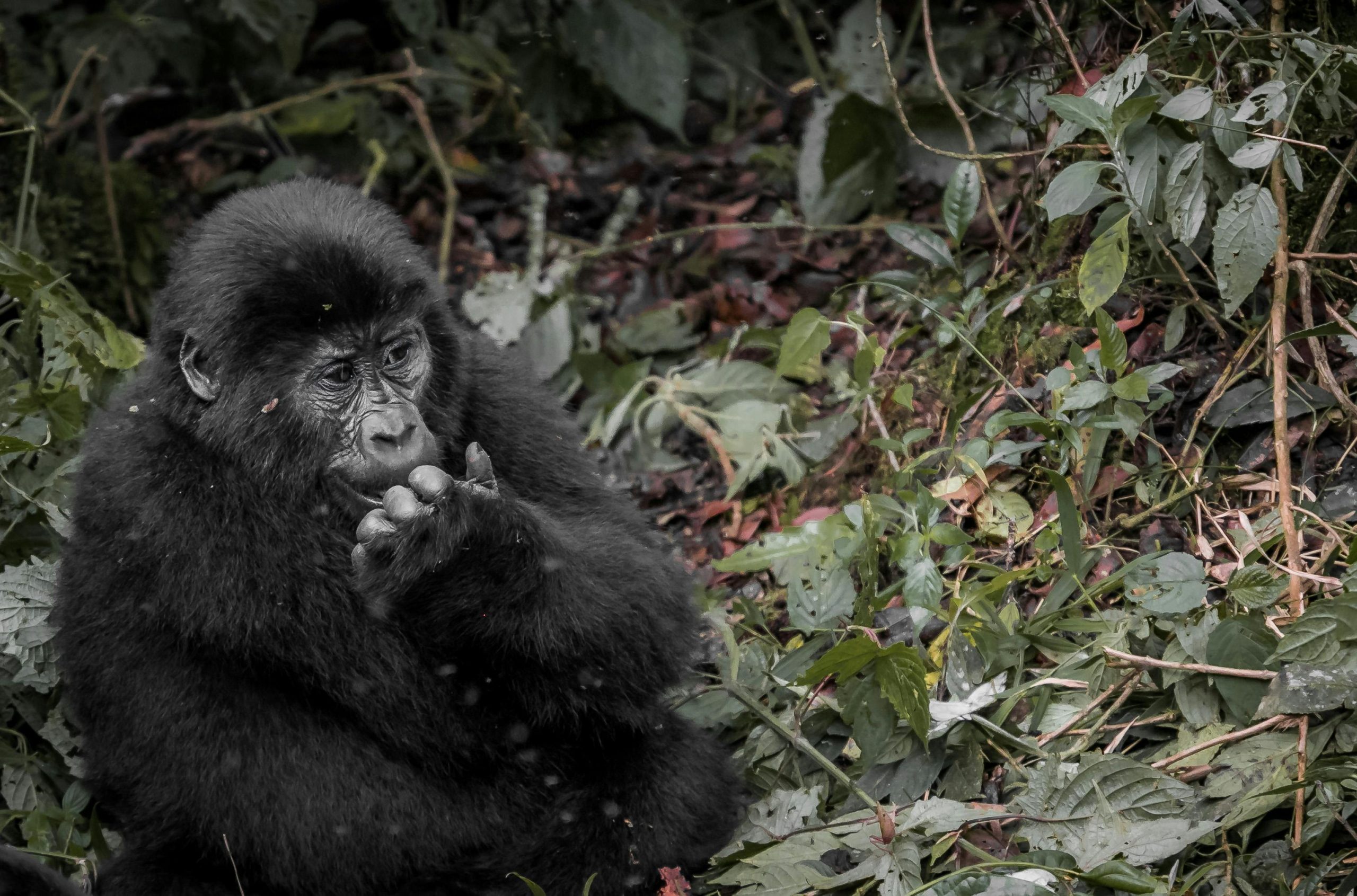
Gorilla Trekking in Rushaga
Gorilla Trekking in Rushaga
The Ultimate Guide to Gorilla Trekking in Rushaga: A Life-Changing Adventure in Uganda’s Wild Heart
Introduction
Deep in the verdant folds of Uganda’s Bwindi Impenetrable Forest lies a hidden gem for wildlife enthusiasts and adventure seekers: Rushaga, a sector famed for its exceptional gorilla trekking experiences. Nestled in the southern part of the forest, Rushaga offers not just a chance to encounter the majestic mountain gorillas, but also a journey into a world of biodiversity, culture, and untamed beauty.
This comprehensive guide explores everything you need to know about gorilla trekking in Rushaga—from permits and preparation to the best travel tips and conservation efforts. Whether you’re a seasoned traveler or a first-time explorer, this article will equip you with expert insights to make your gorilla trekking adventure unforgettable.
Why Choose Rushaga for Gorilla Trekking?
Rushaga stands out among the four sectors of Bwindi Impenetrable National Park—Buhoma, Ruhija, Nkuringo, and Rushaga—for several compelling reasons:
- High Gorilla Population: Rushaga boasts the highest number of habituated gorilla families, increasing your chances of a successful trek.
- Gorilla Habituation Experience: Unique to Rushaga, this allows visitors to spend up to four hours with a semi-habituated gorilla group.
- Scenic Terrain: The region offers dramatic landscapes with rolling hills, misty valleys, and dense forest trails.
- Accessibility: Located near Kisoro, Rushaga is accessible via road and air, making it a convenient choice for many travelers.
Explore more about Bwindi Impenetrable Forest, a UNESCO World Heritage Site.
Understanding Gorilla Trekking in Rushaga
What Is Gorilla Trekking?
Gorilla trekking is a guided hike through dense forest terrain to observe mountain gorillas in their natural habitat. These treks are led by experienced guides and trackers who follow fresh trails and signs left by the gorillas.
The Gorilla Families of Rushaga
Rushaga is home to over 8 habituated gorilla families, including:
- Nshongi Group – Once the largest group in Bwindi
- Mishaya Group – Known for its playful juveniles
- Bweza Group – A breakaway group with unique dynamics
- Busingye Group – Led by a dominant silverback
- Kahungye Group – A large family with multiple silverbacks
Each family offers a different experience, making every trek unique.
How to Obtain a Gorilla Trekking Permit
Booking Your Permit
Permits are issued by the Uganda Wildlife Authority (UWA) and are mandatory for all treks. As of 2024, prices are:
- $800 USD for foreign non-residents
- $700 USD for foreign residents
- 300,000 UGX for East African citizens
Permits can be booked through:
- UWA directly
- Licensed tour operators
- Travel agencies specializing in Ugandan safaris
Best Time to Book
Due to high demand, especially in peak seasons (June–August and December–February), it’s advisable to book your permit at least 6 months in advance.
Preparing for Your Gorilla Trek
Physical Fitness
Trekking can range from moderate to strenuous, depending on the gorilla family’s location. Prepare with:
- Regular cardio exercises
- Hiking practice on uneven terrain
- Strength training for endurance
What to Pack
Here’s a checklist of essentials:
- Waterproof hiking boots
- Long-sleeved shirts and trousers
- Rain jacket or poncho
- Garden gloves for gripping vegetation
- Insect repellent
- Reusable water bottle
- Energy snacks
- Camera with no flash
Health Requirements
- Yellow Fever Vaccination (mandatory)
- COVID-19 protocols may still apply
- Malaria prophylaxis is recommended
The Gorilla Trekking Experience: What to Expect
The Day of the Trek
- Early Start: Treks begin at 7:30 AM with a briefing at the Rushaga Visitor Center.
- Group Allocation: Visitors are grouped (max 8 people) based on fitness and preferences.
- Tracking Begins: Guides lead you through dense forest, often for 2–6 hours.
- Gorilla Encounter: Once located, you’ll spend 1 hour observing the gorillas—watching them eat, groom, and interact.
Rules and Etiquette
- Maintain a 7-meter distance
- No flash photography
- Keep voices low
- Do not eat or drink near gorillas
- If sick, you may be denied participation
Gorilla Habituation Experience in Rushaga
This unique offering allows visitors to join researchers and rangers in the habituation process—a gradual acclimatization of wild gorillas to human presence.
- Duration: Up to 4 hours with gorillas
- Cost: $1,500 USD
- Availability: Limited permits per day
This immersive experience is ideal for photographers, researchers, and wildlife enthusiasts seeking deeper interaction.
Accommodation Options in Rushaga
Rushaga offers a range of lodges and campsites to suit every budget:
Luxury Lodges
Mid-Range
- Rushaga Gorilla Camp
- Ichumbi Gorilla Lodge
Budget
- Bwindi Backpackers Lodge
- Rushaga Gorilla Havens Lodge
All accommodations offer guided treks, local cuisine, and spectacular views of the forest.
Getting to Rushaga
By Road
- From Kampala: 8–10 hours via Mbarara and Kabale
- From Kigali, Rwanda: 4–5 hours through Cyanika border
By Air
- Chartered flights from Entebbe to Kisoro Airstrip
- Transfers from Kisoro to Rushaga (approx. 1 hour)
Several tour operators offer all-inclusive packages with transport, permits, and accommodation.
Conservation and Community Involvement
Gorilla trekking in Rushaga is more than a tourist activity—it’s a vital conservation tool.
Conservation Impact
- Funds from permits support anti-poaching efforts
- Research and monitoring of gorilla health
- Preservation of the Bwindi ecosystem
Community Benefits
- Employment for local guides and porters
- Revenue-sharing programs for community development
- Cultural tourism initiatives like Batwa experiences
By choosing responsible tourism, you contribute to the long-term survival of mountain gorillas.
Cultural Experiences Around Rushaga
Enhance your visit with cultural encounters:
- Batwa Trail: Learn about the forest-dwelling Batwa pygmies
- Traditional Dance Performances
- Craft Markets: Buy handmade souvenirs from local artisans
- Village Walks: Explore rural Ugandan life
These activities offer insight into the region’s rich heritage and support local livelihoods.
Best Time to Visit Rushaga
Dry Seasons (Best for Trekking)
- June to August
- December to February
Rainy Seasons (Fewer Tourists, Lush Scenery)
- March to May
- September to November
While trekking is possible year-round, the dry season offers easier trails and better visibility.
Tips for a Successful Gorilla Trek
- Hire a porter—they help with your backpack and balance
- Stay hydrated and pace yourself
- Follow your guide’s instructions at all times
- Carry extra batteries for your camera
- Respect the gorillas and their habitat
Frequently Asked Questions (FAQ)
1. How difficult is gorilla trekking in Rushaga?
Trek difficulty varies based on the gorilla group’s location. Some treks are short and easy, while others can be steep and challenging. A reasonable level of fitness is recommended.
2. Is it safe to trek with gorillas?
Yes. Treks are led by trained guides and armed rangers. Gorillas are habituated and generally peaceful if respected.
3. Can children go gorilla trekking?
Only individuals aged 15 and above are allowed to participate in gorilla trekking due to safety and maturity considerations.
4. What’s the difference between gorilla trekking and habituation?
Trekking allows 1 hour with fully habituated gorillas. The habituation experience offers up to 4 hours with gorillas still adjusting to human presence.
5. How can I support gorilla conservation?
- Book through ethical tour operators
- Donate to organizations like Gorilla Doctors
- Participate in community-based tourism
- Avoid single-use plastics during your trip
Final Thoughts
Gorilla trekking in Rushaga is more than an adventure—it’s a transformative experience that connects you with one of the planet’s most endangered and awe-inspiring creatures. From the misty trails of Bwindi to the intimate gaze of a silverback, every moment is etched with wonder.
By choosing Rushaga, you not only witness the raw beauty of nature but also support vital conservation and community efforts. Prepare well, respect the forest, and let the gorillas change your life.