
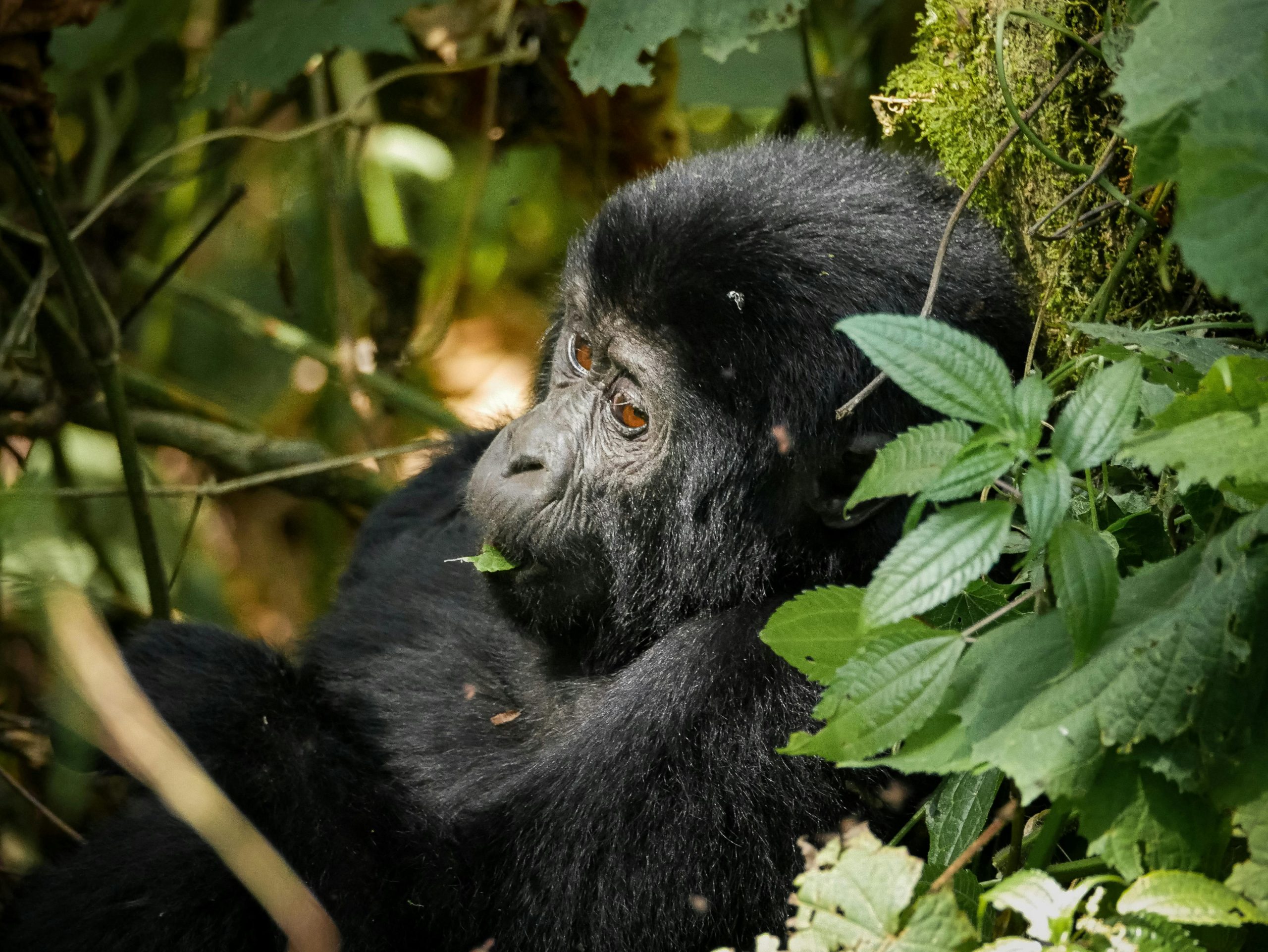
Rushaga Gorillas
Rushaga Gorillas
Discovering the Rushaga Gorillas: A Complete Guide to Uganda’s Primate Paradise
Introduction
Hidden deep within the misty jungles of southwestern Uganda lies a treasure trove of biodiversity and wonder — the Rushaga sector of Bwindi Impenetrable National Park, home to one of the most captivating wildlife experiences on the planet: gorilla trekking. The Rushaga gorillas, a collection of habituated mountain gorilla families, offer an unparalleled opportunity for adventurers, conservationists, and nature lovers to witness the majesty of these gentle giants in their natural habitat.
This article is your comprehensive guide to the Rushaga gorillas — from their unique behaviors and family dynamics to how you can responsibly visit them. Whether you’re planning a once-in-a-lifetime trip or simply fascinated by these incredible primates, this in-depth exploration will leave you inspired and informed.
What Makes Rushaga Unique?
A Gorilla Trekking Haven
The Rushaga sector is one of the four main regions in Bwindi Impenetrable Forest, alongside Buhoma, Ruhija, and Nkuringo. What sets Rushaga apart is its high concentration of habituated gorilla families, making it a prime location for gorilla trekking.
- Home to over 8 habituated gorilla families
- Offers both standard trekking and the exclusive Gorilla Habituation Experience
- Accessible from Kisoro and Kabale towns
- Stunning views of the Virunga Volcanoes
Gorilla Families in Rushaga
Each gorilla family in Rushaga has its own story, hierarchy, and personality. Here are some of the most notable groups:
- Nshongi Family – Once the largest gorilla group ever habituated
- Mishaya Group – Known for its dominant silverback, Mishaya
- Bweza Family – A splinter group from Nshongi, now fully habituated
- Kahungye Group – A dynamic family with a strong silverback leader
- Busingye Family – Famous for its playful juveniles and curious infants
These families are monitored daily by rangers and researchers, ensuring their health and safety while allowing tourists to observe them closely.
The Gorilla Trekking Experience
Preparing for the Trek
Gorilla trekking in Rushaga is not a casual stroll — it’s a challenging yet rewarding hike through dense forest, steep hills, and muddy trails. Preparation is key:
- Fitness Level: Moderate to high physical fitness is recommended
- Gear to Bring:
- Waterproof hiking boots
- Long-sleeved shirts and trousers
- Insect repellent
- Gloves (for grabbing vegetation)
- Rain jacket
- Reusable water bottle
- Permits: A gorilla trekking permit is mandatory and must be booked in advance through the Uganda Wildlife Authority or a licensed tour operator
The Trek Itself
The trek begins early in the morning with a briefing at the Rushaga visitor center. Groups of 8 are assigned to a specific gorilla family, and the hike can last anywhere from 1 to 6 hours depending on the gorillas’ location.
Once the gorillas are found, you’ll have exactly one hour to observe them — a magical 60 minutes that many describe as life-changing.
The Gorilla Habituation Experience
For those seeking a deeper connection, Rushaga is the only sector in Bwindi offering the Gorilla Habituation Experience. This allows visitors to spend up to 4 hours with a semi-habituated gorilla group, accompanied by researchers and conservationists.
- Limited to 4 visitors per day
- Provides insights into gorilla behavior, communication, and social structure
- Ideal for photographers and wildlife enthusiasts
Conservation and Community Involvement
Protecting the Mountain Gorillas
Mountain gorillas are critically endangered, with only about 1,000 individuals remaining in the wild. The success of gorilla tourism in Rushaga has played a pivotal role in their conservation.
- 20% of permit fees go directly to local communities
- Anti-poaching patrols and veterinary interventions are funded by tourism
- Gorilla trekking has incentivized forest preservation
Community Tourism Initiatives
The people of Rushaga and surrounding villages are integral to the conservation effort. Many are employed as porters, guides, and lodge staff. Others run cultural experiences that enrich the visitor’s journey:
- Batwa Cultural Experience – Learn about the indigenous Batwa pygmies, the forest’s original inhabitants
- Handicraft Markets – Purchase locally made souvenirs that support women’s cooperatives
- Community Walks – Explore the daily life of Ugandan villagers
Best Time to Visit Rushaga
Uganda’s equatorial climate means Rushaga can be visited year-round, but the dry seasons offer the best trekking conditions:
- June to September – Peak season, dry trails, high demand for permits
- December to February – Also dry, with fewer tourists
- March to May & October to November – Rainy seasons, but lush scenery and discounted rates
Where to Stay in Rushaga
There’s a wide range of accommodation options catering to every budget:
Luxury Lodges
Mid-Range Options
Budget-Friendly Stays
- Gorilla Valley Lodge
- Bwindi Backpackers Lodge
Most lodges offer packed lunches, guided walks, and stunning views of the forest canopy.
Getting to Rushaga
By Road
- From Kampala: ~9-10 hours via Mbarara and Kabale
- From Kigali, Rwanda: ~4-5 hours via Cyanika border
By Air
- Daily domestic flights from Entebbe to Kisoro Airstrip
- 1.5-hour drive from Kisoro to Rushaga
Tour operators often include transport in their packages, making logistics seamless.
Responsible Tourism Tips
- Maintain a 7-meter distance from gorillas
- Do not trek if you’re ill — gorillas are susceptible to human diseases
- Avoid flash photography
- Follow ranger instructions at all times
- Support local businesses and eco-friendly lodges
Fascinating Facts About Rushaga Gorillas
- Mountain gorillas share 98.4% of their DNA with humans
- A silverback can weigh up to 200 kg and lead a group of up to 30 individuals
- Gorillas communicate through vocalizations, chest-beating, and facial expressions
- Infants are born after an 8.5-month gestation and cling to their mothers for up to 3 years
- Each gorilla has a unique nose print, used by researchers for identification
Frequently Asked Questions (FAQ)
1. How much does it cost to trek gorillas in Rushaga?
A gorilla trekking permit costs $800 per person for foreign non-residents, $700 for foreign residents, and UGX 300,000 for East African citizens. The Gorilla Habituation Experience costs $1,500.
2. Is it safe to visit Rushaga?
Yes, Rushaga is safe for tourists. The area is patrolled by Uganda Wildlife Authority rangers, and the gorillas are habituated to human presence. Always follow your guide’s instructions.
3. What is the best time of year to see gorillas?
The best time is during the dry seasons: June to September and December to February. Trails are less slippery, and visibility is better.
4. Can children trek gorillas?
Only individuals aged 15 and above are allowed to participate in gorilla trekking due to the physical demands and health risks to gorillas.
5. How do I book a gorilla trekking permit?
Permits can be booked through the Uganda Wildlife Authority or a licensed tour operator. Booking several months in advance is recommended, especially during peak season.
Final Thoughts
The Rushaga gorillas offer more than just a wildlife encounter — they provide a profound connection to nature, a glimpse into our evolutionary past, and a powerful reminder of the importance of conservation. Whether you’re standing face-to-face with a silverback or watching a mother cradle her infant, the experience is nothing short of transformative.
By choosing to visit Rushaga, you’re not only embarking on an unforgettable adventure but also contributing to the preservation of one of the world’s most endangered species. So lace up your boots, grab your camera, and prepare for the trek of a lifetime.