
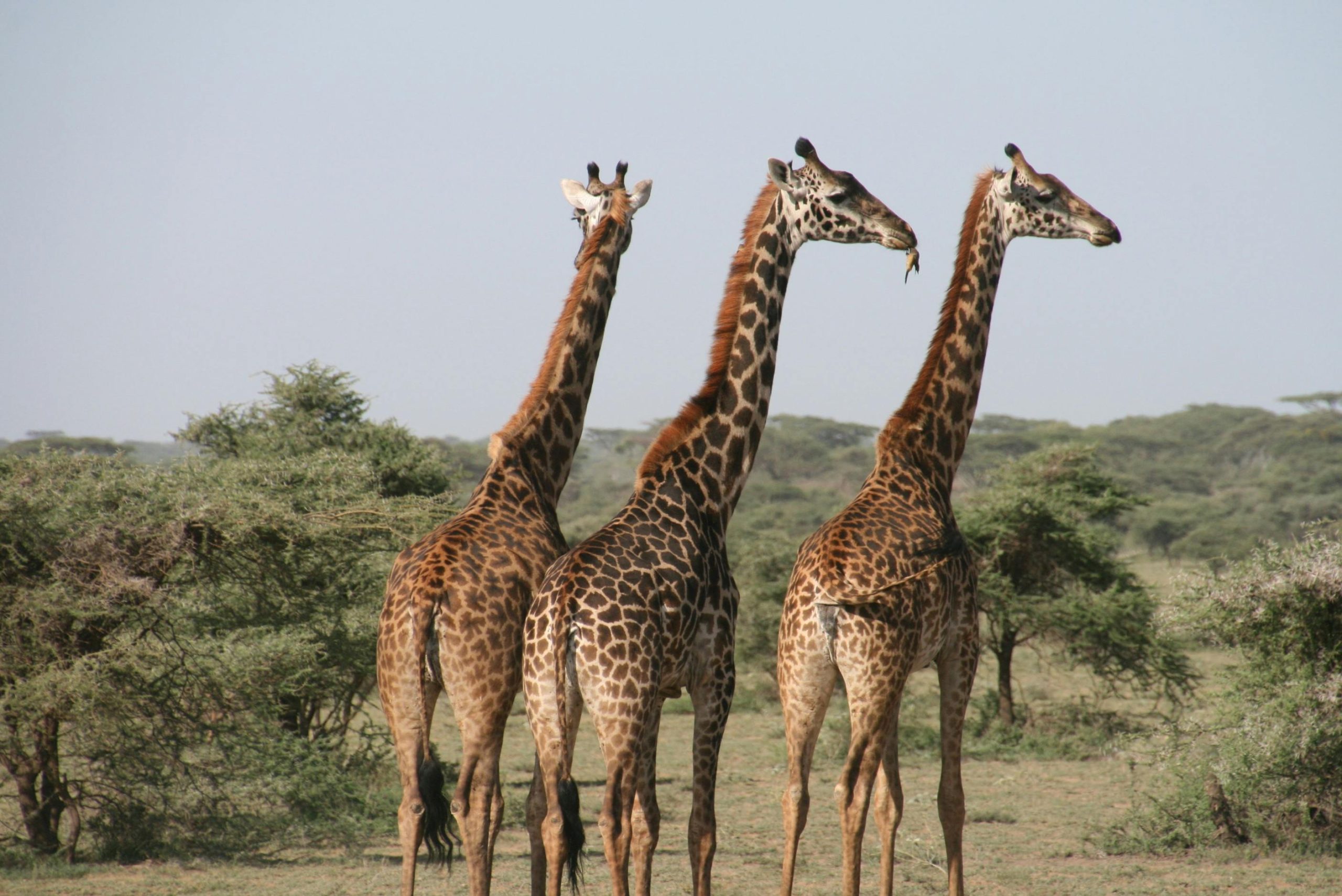
Kenya Wildlife
Kenya Wildlife
Discovering Kenya’s Wildlife: A Journey Through Africa’s Untamed Wilderness
Introduction
Kenya is a land where the wild still roams free, where the rhythm of nature pulses through vast savannahs, dense forests, and shimmering lakes. This East African gem is globally renowned for its breathtaking biodiversity and iconic wildlife. From the majestic Big Five to the lesser-known but equally fascinating species, Kenya offers a wildlife experience like no other.
In this comprehensive guide, we delve deep into the heart of Kenya’s wildlife, exploring its national parks, conservation efforts, endemic species, and the role of ecotourism. Whether you’re a seasoned safari-goer or a curious adventurer, this article will transport you into the wild soul of Africa.
The Rich Biodiversity of Kenya
Kenya’s unique geographical position straddles several ecological zones, from coastal mangroves to alpine highlands. This diversity supports a wide array of flora and fauna, making the country a top destination for wildlife enthusiasts.
Key Ecosystems Supporting Wildlife
- Savannah Grasslands – Home to lions, elephants, zebras, and wildebeests.
- Mountain Forests – Shelter rare species like the bongo and Mount Kenya bush viper.
- Rift Valley Lakes – Attract millions of flamingos and other waterbirds.
- Coastal Forests and Coral Reefs – Host endemic birds, primates, and marine life.
Kenya’s ecosystems are interconnected, creating a dynamic and resilient environment for wildlife to thrive.
Iconic Wildlife Species in Kenya
Kenya is synonymous with the “Big Five”: lion, elephant, buffalo, leopard, and rhinoceros. But the country’s wildlife extends far beyond these famous animals.
The Big Five
- African Lion – Found in Masai Mara, known for its social structure and hunting prowess.
- African Elephant – Roams in Amboseli and Tsavo, often seen with Mount Kilimanjaro in the background.
- Cape Buffalo – Common in most parks, known for its unpredictable nature.
- Leopard – Elusive and solitary, often spotted in Samburu and Laikipia.
- Black and White Rhinoceros – Protected in sanctuaries like Ol Pejeta Conservancy.
Other Notable Species
- Cheetah – The fastest land animal, often seen in open plains.
- Giraffe – Includes the endangered Rothschild’s giraffe.
- Grevy’s Zebra – A rare species found in northern Kenya.
- Hippos and Crocodiles – Inhabit rivers and lakes such as Lake Naivasha and the Mara River.
- Birds – Over 1,100 species, including the lilac-breasted roller and African fish eagle.
Top National Parks and Reserves
Kenya boasts over 50 national parks and reserves, each offering a unique wildlife experience.
1. Masai Mara National Reserve
- Famous for the Great Migration, where over 1.5 million wildebeests and zebras cross the Mara River.
- Rich predator population including lions, cheetahs, and hyenas.
- Cultural interactions with the Maasai people.
2. Amboseli National Park
- Known for large elephant herds and views of Mount Kilimanjaro.
- Excellent birdwatching with over 400 species recorded.
3. Tsavo East and West National Parks
- Kenya’s largest protected area.
- Home to red elephants, lava flows, and the Lugard Falls.
4. Samburu National Reserve
- Unique species like the gerenuk, Somali ostrich, and reticulated giraffe.
- Lesser tourist traffic, offering a more intimate safari experience.
5. Lake Nakuru National Park
- Famous for its flamingo-covered shores.
- Sanctuary for both black and white rhinos.
Conservation Efforts and Challenges
Kenya has made significant strides in wildlife conservation, though challenges persist.
Key Conservation Initiatives
- Community Conservancies – Local communities manage wildlife areas, benefiting from tourism revenue.
- Anti-Poaching Units – Equipped with modern technology and trained rangers.
- Wildlife Corridors – Maintain migratory routes between ecosystems.
- Rehabilitation Centers – Such as the David Sheldrick Wildlife Trust for orphaned elephants.
Ongoing Challenges
- Poaching and Illegal Wildlife Trade
- Human-Wildlife Conflict
- Habitat Loss Due to Agriculture and Urbanization
- Climate Change Affecting Ecosystem Balance
Ecotourism and Sustainable Travel
Ecotourism plays a pivotal role in Kenya’s wildlife preservation. By choosing responsible travel options, tourists can contribute to conservation while enjoying unforgettable experiences.
Best Practices for Sustainable Safari Travel
- Stay in eco-lodges and camps that practice sustainability.
- Support community-run conservancies.
- Avoid disturbing animals or feeding wildlife.
- Travel with certified guides and tour operators.
- Offset your carbon footprint.
Recommended Eco-Friendly Safari Operators
Unique Wildlife Experiences in Kenya
Beyond traditional safaris, Kenya offers immersive wildlife experiences that deepen your connection with nature.
Walking Safaris
- Explore on foot with expert guides in conservancies like Lewa and Laikipia.
- Learn about animal tracks, plants, and survival skills.
Night Game Drives
- Discover nocturnal species like aardvarks, bush babies, and leopards.
Hot Air Balloon Safaris
- Soar above the Masai Mara at dawn for a bird’s-eye view of the savannah.
Birdwatching Tours
- Visit Lake Baringo, Kakamega Forest, and Arabuko Sokoke for rare bird sightings.
The Role of Indigenous Communities
Indigenous groups like the Maasai, Samburu, and Turkana have coexisted with wildlife for centuries. Their knowledge and traditions are integral to conservation.
Community-Based Tourism
- Cultural visits and homestays.
- Traditional dances, crafts, and storytelling.
- Revenue supports education, healthcare, and conservation.
Success Stories
- Il Ngwesi Conservancy – Run by the Maasai, protecting rhinos and lions.
- Northern Rangelands Trust – Unites over 40 community conservancies.
Kenya’s Marine Wildlife
Kenya’s wildlife isn’t limited to land. Its Indian Ocean coastline is a haven for marine life.
Marine Parks and Reserves
- Watamu Marine National Park – Coral reefs, turtles, and dolphins.
- Kisite-Mpunguti Marine Park – Snorkeling with reef fish and occasional whale sightings.
Endangered Marine Species
- Green and hawksbill turtles.
- Dugongs and humpback whales.
- Whale sharks and manta rays.
Wildlife Photography in Kenya
Kenya is a paradise for wildlife photographers, offering dramatic landscapes and abundant subjects.
Best Tips for Capturing Stunning Shots
- Use a telephoto lens for close-ups.
- Shoot during golden hours (sunrise and sunset).
- Respect animal space and behavior.
- Capture interactions, not just portraits.
Top Spots for Photography
- Masai Mara during the migration.
- Amboseli for elephants with Kilimanjaro.
- Samburu for unique northern species.
Kenya’s Wildlife Calendar
Timing your visit can enhance your wildlife experience.
Seasonal Highlights
- January – March: Dry season, great for game viewing.
- April – June: Green season, fewer tourists, vibrant landscapes.
- July – October: Wildebeest migration in Masai Mara.
- November – December: Bird migration and calving season.
Frequently Asked Questions (FAQ)
1. What is the best time to visit Kenya for wildlife viewing?
The best time is during the dry seasons (January to March and July to October), especially for the Great Migration in the Masai Mara.
2. Are safaris in Kenya safe?
Yes, safaris are generally safe when conducted by reputable operators. Always follow your guide’s instructions and stay within designated areas.
3. Can I see the Big Five in one park?
While possible, it’s more likely across multiple parks. Masai Mara, Amboseli, and Ol Pejeta offer good chances to spot all five.
4. How can I contribute to wildlife conservation in Kenya?
Support eco-tourism, donate to conservation organizations like the David Sheldrick Wildlife Trust, and spread awareness about wildlife protection.
5. What should I pack for a Kenyan safari?
Essentials include:
- Lightweight, neutral-colored clothing
- Binoculars and camera
- Sunscreen and insect repellent
- Hat and sunglasses
- Reusable water bottle
Conclusion
Kenya’s wildlife is a profound testament to the beauty and resilience of nature. From the thunder of hooves during the migration to the silent glide of a leopard through the bush, every moment in Kenya’s wild spaces is a story waiting to be told. By exploring responsibly and supporting conservation, we ensure these stories continue for generations to come.
Whether you’re drawn by the thrill of the chase, the serenity of birdwatching, or the cultural richness of indigenous communities, Kenya offers a wildlife experience that is both wild and deeply human.