
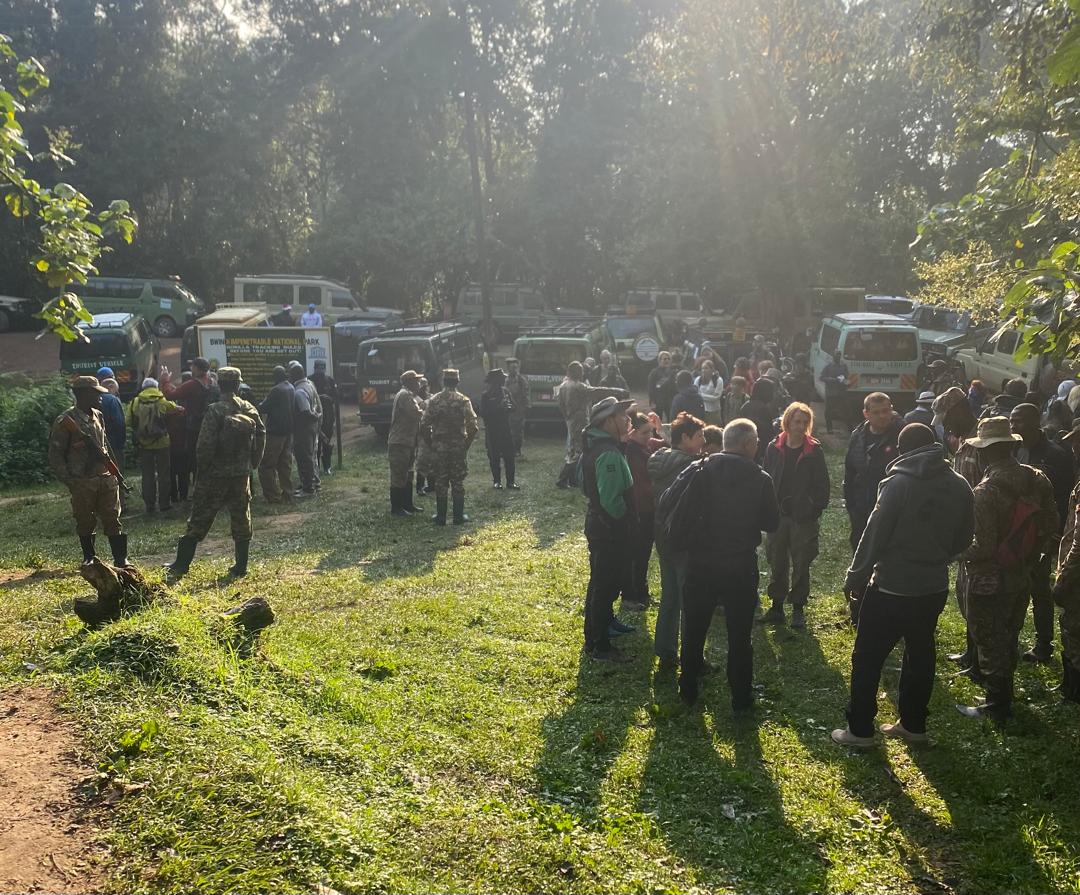
Bwindi Gorilla Groups
Bwindi Gorilla Groups
Ultimate Guide to Bwindi Gorilla Groups: Exploring Uganda’s Majestic Mountain Gorillas
Introduction
Nestled in the lush, mist-covered highlands of southwestern Uganda lies the Bwindi Impenetrable National Park, a UNESCO World Heritage Site and one of the most biologically diverse rainforests on the planet. But beyond its rich flora and fauna, Bwindi is globally renowned for being home to nearly half of the world’s remaining mountain gorillas. These gentle giants are organized into distinct gorilla families or groups, each with its own unique dynamics, personalities, and territories.
In this in-depth guide, we’ll explore the various habituated gorilla groups in Bwindi, how they are distributed across the park’s four sectors, and what makes each group special. Whether you’re planning a gorilla trekking safari or simply fascinated by primate behavior, this article provides a comprehensive look into the lives of Bwindi’s gorilla families.
What Are Bwindi Gorilla Groups?
Bwindi gorilla groups, also known as gorilla families, are structured social units of mountain gorillas that live together under the leadership of a dominant silverback. These groups vary in size, ranging from as few as 5 individuals to over 20, and are made up of silverbacks, adult females, juveniles, and infants.
Unlike their lowland cousins, mountain gorillas are not kept in zoos due to their specific habitat needs and conservation status. Therefore, Bwindi offers one of the rare opportunities to observe them in their natural environment.
The Four Sectors of Bwindi and Their Gorilla Families
Bwindi Impenetrable Forest is divided into four main trekking sectors:
- Buhoma
- Ruhija
- Rushaga
- Nkuringo
Each sector hosts several habituated gorilla groups that are available for tourism and research.
Buhoma Sector Gorilla Groups
Located in the northern part of the park, Buhoma is the most accessible and historically significant sector—it was the first area in Bwindi where gorilla trekking began in 1993.
1. Mubare Group
- Group Size: ~9 members
- Notable For: First habituated gorilla family in Uganda
- Dominant Silverback: Kanyonyi (formerly Ruhondeza)
- Special Traits: Known for being calm and photogenic
2. Habinyanja Group
- Group Size: ~17 members
- Dominant Silverback: Makara
- Unique Feature: Often found near swampy areas (hence the name “Habinyanja” from “Nyanja” meaning water)
3. Rushegura Group
- Group Size: ~19 members
- Dominant Silverback: Kabukojo
- Interesting Fact: A breakaway from the Habinyanja group; known for being very mobile and often seen near lodges
Ruhija Sector Gorilla Groups
Situated in the eastern part of Bwindi, Ruhija is known for its high altitude and panoramic views. It’s a quieter sector, ideal for those seeking a more intimate trekking experience.
4. Bitukura Group
- Group Size: ~13 members
- Dominant Silverback: Ndahura
- Highlights: Peaceful group with strong bonds among members
5. Oruzogo Group
- Group Size: ~25 members
- Dominant Silverback: Bakwate
- Special Mention: One of the largest and most playful groups, making it a favorite among tourists
6. Kyaguriro Group (Research Group)
- Group Size: ~10 members
- Purpose: Primarily used for research
- Dominant Silverback: Rukina (deceased), succeeded by Mukiza
- Note: Occasionally opened for tourism
Rushaga Sector Gorilla Groups
Located in the southern part of Bwindi, Rushaga has the highest number of habituated gorilla families, making it a hotspot for gorilla trekking.
7. Nshongi Group
- Group Size: ~26 members (originally over 30)
- Dominant Silverback: Nshongi
- Trivia: Once the largest habituated group in the world
8. Bweza Group
- Group Size: ~12 members
- Origin: Split from the Nshongi group
- Traits: Frequently seen and relatively easy to track
9. Busingye Group
- Group Size: ~9 members
- Name Meaning: “Peace” in the local language
- Irony: Despite its name, the silverback is known for aggressive behavior
10. Kahungye Group
- Group Size: ~13 members
- Dominant Silverback: Rumanzi
- Background: Initially had over 27 members before splitting
11. Mishaya Group
- Group Size: ~7 members
- Origin: Another offshoot from the Nshongi group
- Notable For: Mishaya was known for his frequent fights with other groups
Nkuringo Sector Gorilla Groups
Nkuringo is the most scenic and remote sector, located on the southwestern edge of the park. It offers challenging treks but highly rewarding encounters.
12. Nkuringo Group
- Group Size: ~12 members
- Dominant Silverback: Rafiki (deceased), succeeded by Rwamutwe
- Famous For: First group to be habituated in this sector
13. Christmas Group
- Group Size: ~9 members
- Named After: The dominant silverback, Christmas
- Behavior: Known for its calm demeanor
14. Bushaho Group
- Group Size: ~11 members
- Dominant Silverback: Bahati
- Origin: Formed from members of the Nkuringo group
Gorilla Habituation Experience
In addition to trekking habituated groups, Bwindi offers a unique Gorilla Habituation Experience, where visitors can spend up to four hours with a semi-habituated group. This is available in the Rushaga sector and provides deeper insight into gorilla behavior and conservation.
Conservation and Protection of Gorilla Groups
The survival of Bwindi’s gorilla families is a testament to decades of conservation efforts. Organizations like the Uganda Wildlife Authority (UWA) and International Gorilla Conservation Programme (IGCP) work tirelessly to protect these endangered primates.
Key Conservation Strategies:
- Anti-poaching patrols
- Community education and involvement
- Sustainable tourism practices
- Veterinary interventions via Gorilla Doctors
Best Time to Visit Bwindi for Gorilla Trekking
Bwindi can be visited year-round, but the best times are during the dry seasons:
- June to August
- December to February
During these months, trails are less muddy, and sightings are more predictable.
Packing List for Gorilla Trekking
To make the most of your trek, ensure you pack appropriately:
- Waterproof hiking boots
- Long-sleeved shirts and trousers
- Rain jacket
- Gardening gloves
- Insect repellent
- Reusable water bottle
- Energy snacks
- Camera (no flash)
Tips for a Successful Gorilla Encounter
- Maintain a 7-meter distance from gorillas
- Do not mimic gorilla sounds
- Avoid direct eye contact with silverbacks
- Stay quiet and calm
- Follow your guide’s instructions at all times
FAQs About Bwindi Gorilla Groups
1. How many gorilla groups are in Bwindi?
Bwindi hosts over 20 habituated gorilla families across four sectors, with more groups being studied for future habituation.
2. What is the difference between a gorilla group and a habituated group?
A gorilla group refers to any social unit of gorillas, while a habituated group is one that has been accustomed to human presence for tourism or research.
3. Can I choose which gorilla group to visit?
While preferences can be indicated, final group assignments are made by park authorities based on fitness levels and group availability.
4. How much does a gorilla trekking permit cost?
As of 2024, a gorilla trekking permit in Uganda costs $800 for foreign non-residents, $700 for foreign residents, and UGX 300,000 for East African citizens.
5. Is gorilla trekking safe?
Yes, it is safe. Treks are led by experienced guides and rangers, and gorillas are habituated to human presence. However, basic precautions must be followed.
Conclusion
The Bwindi Impenetrable Forest is not just a sanctuary for mountain gorillas—it is a living, breathing ecosystem where conservation, tourism, and community development converge. Each gorilla group in Bwindi tells a different story of resilience, adaptation, and familial bonds.
Whether you’re drawn to the historic Mubare group, the playful Oruzogo family, or the scenic treks of Nkuringo, a visit to Bwindi offers a once-in-a-lifetime chance to connect with one of our closest relatives in the animal kingdom.
So, lace up your boots, grab your permit, and prepare for an unforgettable journey into the heart of Africa’s most revered rainforest.