
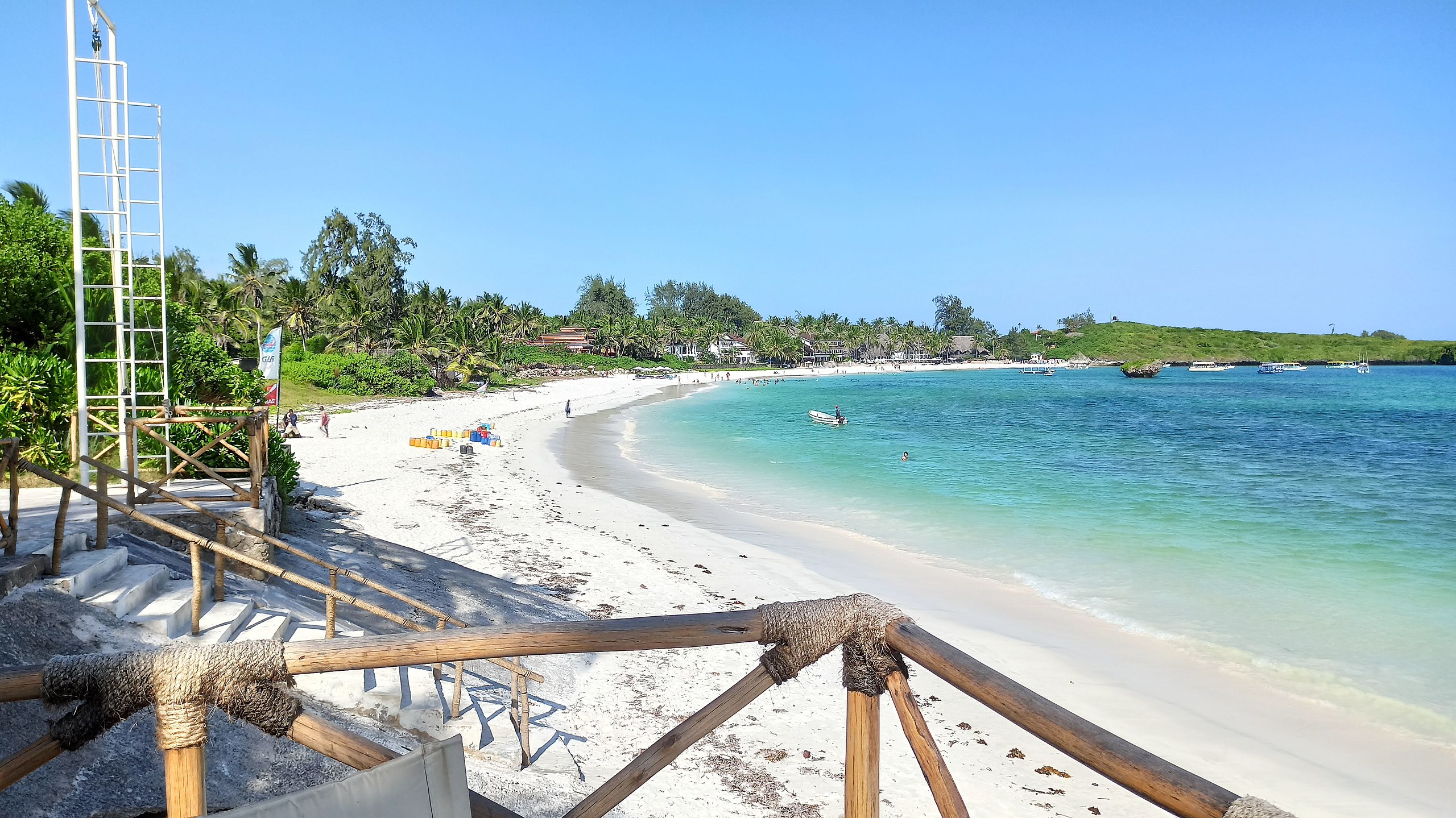
Watamu Beach
Watamu Beach
Watamu Beach: A Hidden Gem on Kenya’s Coastline
Introduction
Nestled along Kenya’s Indian Ocean shoreline lies a coastal treasure that remains largely untouched by mass tourism — Watamu Beach. Located just north of Mombasa and a short drive from Malindi, this serene destination offers a perfect blend of natural beauty, cultural richness, and adventure. With its powdery white sands, turquoise waters, and vibrant marine life, Watamu is a dream for travelers seeking both relaxation and discovery.
In this detailed guide, we’ll explore what makes Watamu Beach so special — from its marine parks and ancient ruins to the unique experiences that await you in this coastal paradise.
The Beauty of Watamu Beach
A Coastal Paradise
Watamu Beach stretches along a series of bays and coves, each offering its own unique charm. The calm, clear waters are ideal for swimming, while the surrounding coral reefs create a safe and picturesque environment for underwater exploration. The beach is clean, quiet, and framed by swaying palm trees — a postcard-perfect setting for anyone looking to unwind.
Rich Natural Environment
Watamu is known for its incredible biodiversity. The nearby marine park is home to hundreds of species of fish, sea turtles, and dolphins. Inland, the Arabuko Sokoke Forest — the largest coastal forest in East Africa — offers a sanctuary for rare birds and other wildlife. Together, these ecosystems make Watamu a haven for nature lovers.
Things to See and Do
1. Watamu Marine Park
This protected area is a wonderland for anyone who loves the ocean. Here you can:
- Snorkel among colorful coral reefs
- Take a boat tour with a glass bottom to view marine life
- Watch sea turtles nesting on the beach
2. Gede Ruins
Hidden in the forest are the remains of an ancient Swahili town. Walking through the crumbling stone buildings, you’ll find:
- Old mosques and homes
- A palace and tombs
- A mysterious atmosphere that hints at a once-thriving civilization
3. Mida Creek
This vast tidal inlet is surrounded by mangroves and is a peaceful place for:
- Kayaking and canoeing
- Birdwatching
- Sunset cruises on traditional boats
4. Bio-Ken Snake Farm
For those curious about reptiles, this research center offers:
- A chance to learn about local snake species
- Guided tours with experts
- Insight into snake conservation and venom research
Activities to Enjoy
Ocean Adventures
Watamu is a playground for water lovers. Popular activities include:
- Kite surfing during the windy season
- Deep-sea fishing for marlin and tuna
- Paddleboarding in calm lagoons
Nature and Wildlife
The area is perfect for those who enjoy the outdoors. You can:
- Join a turtle conservation program
- Explore forest trails in Arabuko Sokoke
- Visit butterfly farms and bird sanctuaries
Cultural Experiences
Watamu is rich in culture. You can:
- Learn to cook traditional Swahili dishes
- Take a dhow sailing trip with local fishermen
- Shop in local markets for handmade crafts
Where to Stay
Luxury Options
- Hemingways Watamu: A high-end resort with ocean views and fine dining
- Medina Palms: Elegant villas with a blend of African and Mediterranean design
Mid-Range Choices
- Turtle Bay Beach Club: Family-friendly with all-inclusive packages
- Ocean Sports Resort: A relaxed atmosphere and beachfront bar
Budget and Eco-Friendly
- Watamu Treehouse: Unique architecture and wellness programs
- A Rocha Kenya: Simple lodging with a focus on conservation
When to Visit
Watamu has a warm, tropical climate year-round. The best times to visit are:
- December to March: Sunny and dry — perfect for beach activities
- July to October: Cooler weather and a chance to see migrating whales
The rainy season (April to June) brings lush greenery and fewer tourists, though some activities may be limited.
Getting There
By Plane
- Fly into Malindi Airport, just a short drive from Watamu
- Alternatively, arrive in Mombasa and take a car or shuttle north
By Road
- From Mombasa: A scenic 2.5-hour drive along the coast
- From Nairobi: A longer trip, but with beautiful landscapes along the way
Responsible Travel Tips
- Avoid touching coral or disturbing marine life
- Support local businesses and artisans
- Bring reusable items to reduce plastic waste
Highlights of Watamu Beach
- Stunning white-sand beaches and clear waters
- Rich marine and forest ecosystems
- Historical sites and cultural experiences
- A wide range of activities for all interests
- Warm, welcoming local communities
Frequently Asked Questions
1. What makes Watamu different from other beach destinations?
Watamu offers a unique mix of natural beauty, history, and culture. It’s quieter than many other coastal spots, making it perfect for those seeking peace and authenticity.
2. Can I see wildlife in Watamu?
Yes! From sea turtles and dolphins in the ocean to rare birds in the forest, Watamu is full of wildlife. You can also visit conservation centers and nature reserves.
3. Is Watamu suitable for families?
Absolutely. There are plenty of family-friendly resorts, safe swimming areas, and activities for kids, such as snorkeling and visiting animal centers.
4. What should I pack for a trip to Watamu?
Light clothing, swimwear, reef-safe sunscreen, a hat, and comfortable shoes for walking or hiking. Don’t forget a camera to capture the beautiful scenery.
5. How long should I stay in Watamu?
A stay of 4 to 7 days is ideal to explore the beach, marine park, historical sites, and nearby forest. But many visitors find themselves wanting to stay longer!
Final Thoughts
Watamu Beach is a place where time slows down, and nature takes center stage. Whether you’re lounging on the sand, exploring coral reefs, or wandering through ancient ruins, every moment here feels like a discovery. With its blend of adventure, relaxation, and culture, Watamu is a destination that leaves a lasting impression.
If you’re looking for a getaway that’s both peaceful and full of wonder, Watamu Beach is waiting to welcome you.