
Safari in Uganda
Safari in Uganda
Ultimate Guide to an Unforgettable Safari in Uganda: Explore the Pearl of Africa
Introduction
Uganda, often referred to as the “Pearl of Africa”, is a hidden gem in East Africa that offers some of the most diverse and awe-inspiring safari experiences on the continent. From the misty mountains of Bwindi to the sprawling savannahs of Queen Elizabeth National Park, a safari in Uganda is not just a vacation—it’s a journey into the heart of wild Africa. This comprehensive guide will take you through everything you need to know about planning, experiencing, and enjoying an unforgettable Ugandan safari adventure.
Why Choose Uganda for Your Safari?
Uganda is uniquely positioned at the crossroads of East African savannah and Central African rainforest, offering a rare blend of ecosystems and wildlife. Unlike its neighbors, Uganda is the only country where you can spot the Big Five and track endangered mountain gorillas in their natural habitat.
Key Highlights of a Ugandan Safari:
- Gorilla Trekking in Bwindi Impenetrable Forest
- Chimpanzee Tracking in Kibale National Park
- Game Drives in Queen Elizabeth & Murchison Falls National Parks
- Bird Watching with Over 1,000 Species
- Boat Safaris on the Nile and Kazinga Channel
Top Safari Destinations in Uganda
1. Bwindi Impenetrable National Park
A UNESCO World Heritage Site, Bwindi is home to nearly half of the world’s remaining mountain gorillas. Trekking through its dense forest is a once-in-a-lifetime experience.
What to Expect:
- Guided gorilla trekking experiences
- Opportunities to see rare birds like the African green broadbill
- Cultural encounters with the Batwa pygmies
2. Queen Elizabeth National Park
This park is famous for its rich biodiversity and scenic landscapes, including volcanic craters, lakes, and savannahs.
Highlights:
- Tree-climbing lions in the Ishasha sector
- Boat cruises on the Kazinga Channel
- Over 600 bird species
3. Murchison Falls National Park
Named after the dramatic Murchison Falls, where the Nile River explodes through a narrow gorge, this park offers classic safari experiences.
Activities:
- Game drives with sightings of elephants, giraffes, and lions
- Nile boat safaris to the base of the falls
- Hiking to the top of the falls for panoramic views
4. Kibale Forest National Park
Known as the primate capital of the world, Kibale is the best place for chimpanzee tracking.
Features:
- Over 13 primate species
- Guided forest walks
- Bird watching and butterfly spotting
5. Kidepo Valley National Park
Remote and less visited, Kidepo offers a raw and untouched safari experience.
Unique Offerings:
- Vast open savannahs
- Rare species like cheetahs and ostriches
- Cultural visits to the Karamojong communities
Best Time to Go on Safari in Uganda
Uganda is a year-round destination, but the dry seasons are ideal for safaris.
Dry Seasons (Best for Wildlife Viewing):
- June to September
- December to February
Wet Seasons (Lush Landscapes and Fewer Tourists):
- March to May
- October to November
Types of Safari Experiences in Uganda
Uganda offers a wide variety of safari styles to suit every traveler’s preference and budget.
1. Gorilla and Primate Safaris
- Focused on tracking gorillas and chimpanzees
- Often include cultural experiences and forest hikes
2. Classic Game Drive Safaris
- Explore savannah parks in 4×4 vehicles
- Ideal for spotting the Big Five and other wildlife
3. Birding Safaris
- Uganda is a birdwatcher’s paradise with over 1,000 species
- Specialized guides and itineraries available
4. Boat and Water Safaris
- Unique perspective on wildlife along rivers and lakes
- Popular in Murchison Falls and Queen Elizabeth parks
5. Walking and Hiking Safaris
- Guided treks through rainforests and highlands
- Great for up-close encounters with nature
Wildlife You Can Expect to See
Uganda’s diverse habitats support an incredible array of wildlife.
Mammals:
- African elephants
- Lions (including tree-climbing lions)
- Leopards
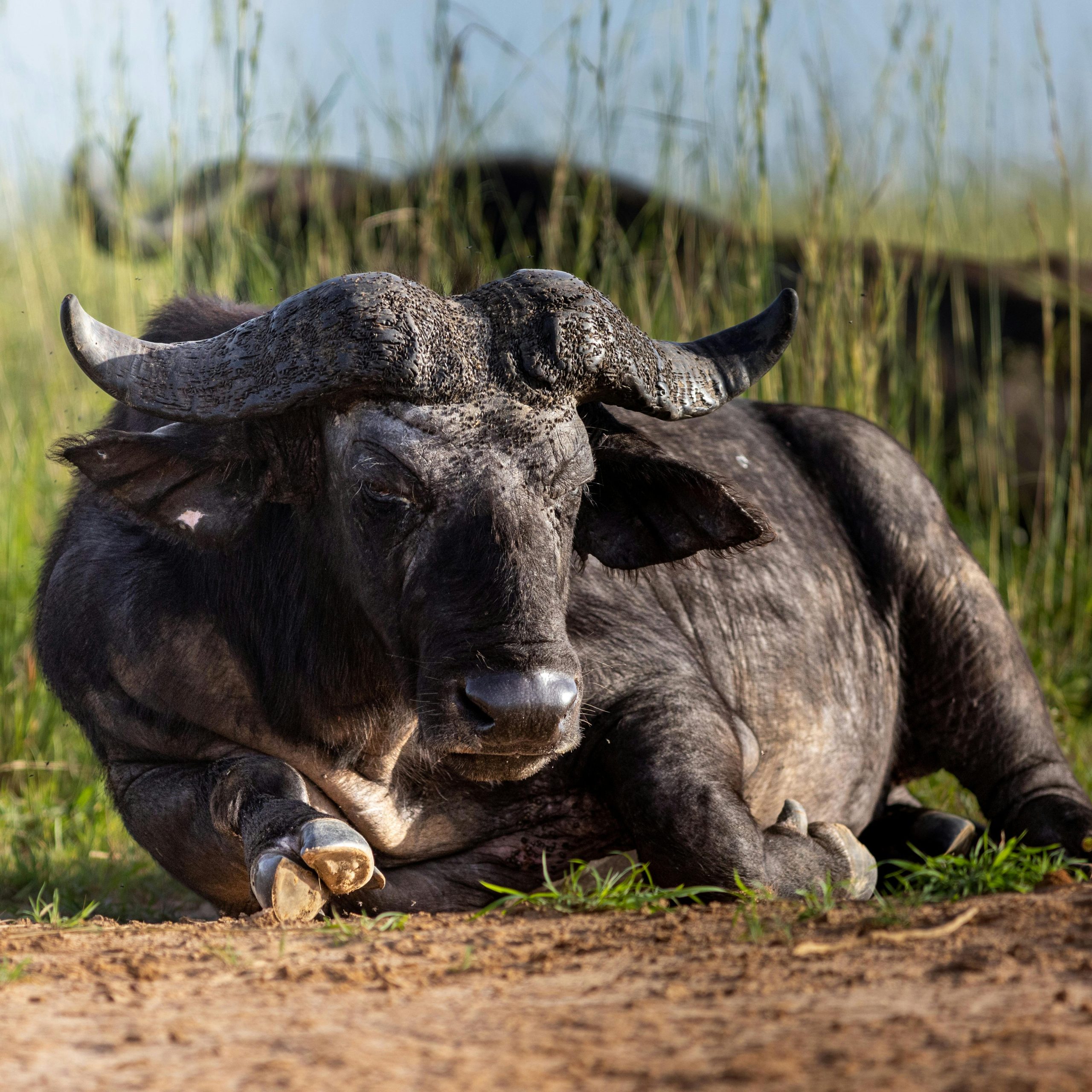
- Buffaloes
- Rhinos (in Ziwa Rhino Sanctuary)
- Mountain gorillas
- Chimpanzees
- Giraffes
- Zebras
Birds:
- Shoebill stork
- African fish eagle
- Great blue turaco
- Green-breasted pitta
Reptiles and Amphibians:
- Nile crocodiles
- Monitor lizards
- Various frog species
Planning Your Safari: What You Need to Know
Entry Requirements
- Valid passport
- Tourist visa (can be obtained online via Uganda Electronic Visa Application)
Health and Safety
- Yellow fever vaccination required
- Malaria prophylaxis recommended
- Travel insurance is essential
What to Pack
- Lightweight, neutral-colored clothing
- Hiking boots for treks
- Binoculars and camera
- Sunscreen and insect repellent
- Reusable water bottle
Accommodation Options
Uganda offers a range of lodging options, from budget camps to luxury lodges.
Budget:
- Campsites and hostels
- Basic guesthouses
Mid-Range:
- Safari lodges with comfortable amenities
- Eco-lodges near national parks
Luxury:
- High-end lodges with panoramic views
- Private safari camps with personalized service
Responsible Tourism and Conservation
Uganda places a strong emphasis on eco-tourism and wildlife conservation.
How You Can Help:
- Choose eco-certified tour operators
- Respect wildlife and local cultures
- Support community-based tourism initiatives
- Donate to conservation programs like Uganda Wildlife Authority
Sample 10-Day Uganda Safari Itinerary
Day 1: Arrival in Entebbe
- Airport pickup and overnight stay
Day 2: Transfer to Murchison Falls
- Visit Ziwa Rhino Sanctuary en route
Day 3: Game Drive and Nile Boat Safari
- Explore northern circuit and cruise to the falls
Day 4: Transfer to Kibale Forest
- Scenic drive through tea plantations
Day 5: Chimpanzee Tracking
- Afternoon nature walk or Bigodi Swamp tour
Day 6: Queen Elizabeth National Park
- Game drive and evening relaxation
Day 7: Kazinga Channel Boat Cruise
- Visit crater lakes and salt pans
Day 8: Drive to Bwindi Impenetrable Forest
- Stop at Ishasha for tree-climbing lions
Day 9: Gorilla Trekking Experience
- Cultural encounter with Batwa community
Day 10: Return to Entebbe and Departure
Frequently Asked Questions (FAQ)
1. Is Uganda safe for tourists?
Yes, Uganda is generally safe for travelers. However, always use reputable tour operators and follow local advice. For updated safety information, visit the U.S. Department of State Travel Advisory.
2. How much does a safari in Uganda cost?
Prices vary depending on the type of safari and accommodation. On average:
- Budget: $150–$250/day
- Mid-range: $300–$500/day
- Luxury: $600–$1,000+/day
3. Do I need a permit for gorilla trekking?
Yes, a gorilla permit is required and costs approximately $700 per person. Book through the Uganda Wildlife Authority.
4. What is the best park for first-time visitors?
Queen Elizabeth National Park offers a great mix of wildlife, landscapes, and activities, making it ideal for first-timers.
5. Can I combine a Uganda safari with other countries?
Absolutely. Uganda shares borders with Kenya, Rwanda, and Tanzania. Many travelers combine safaris across East Africa for a broader experience.
Final Thoughts
A safari in Uganda is more than just a wildlife expedition—it’s a transformative journey through one of Africa’s most enchanting landscapes. Whether you’re tracking gorillas in misty forests, cruising along the Nile, or watching lions prowl the savannah, Uganda offers a safari experience that is as diverse as it is unforgettable.