
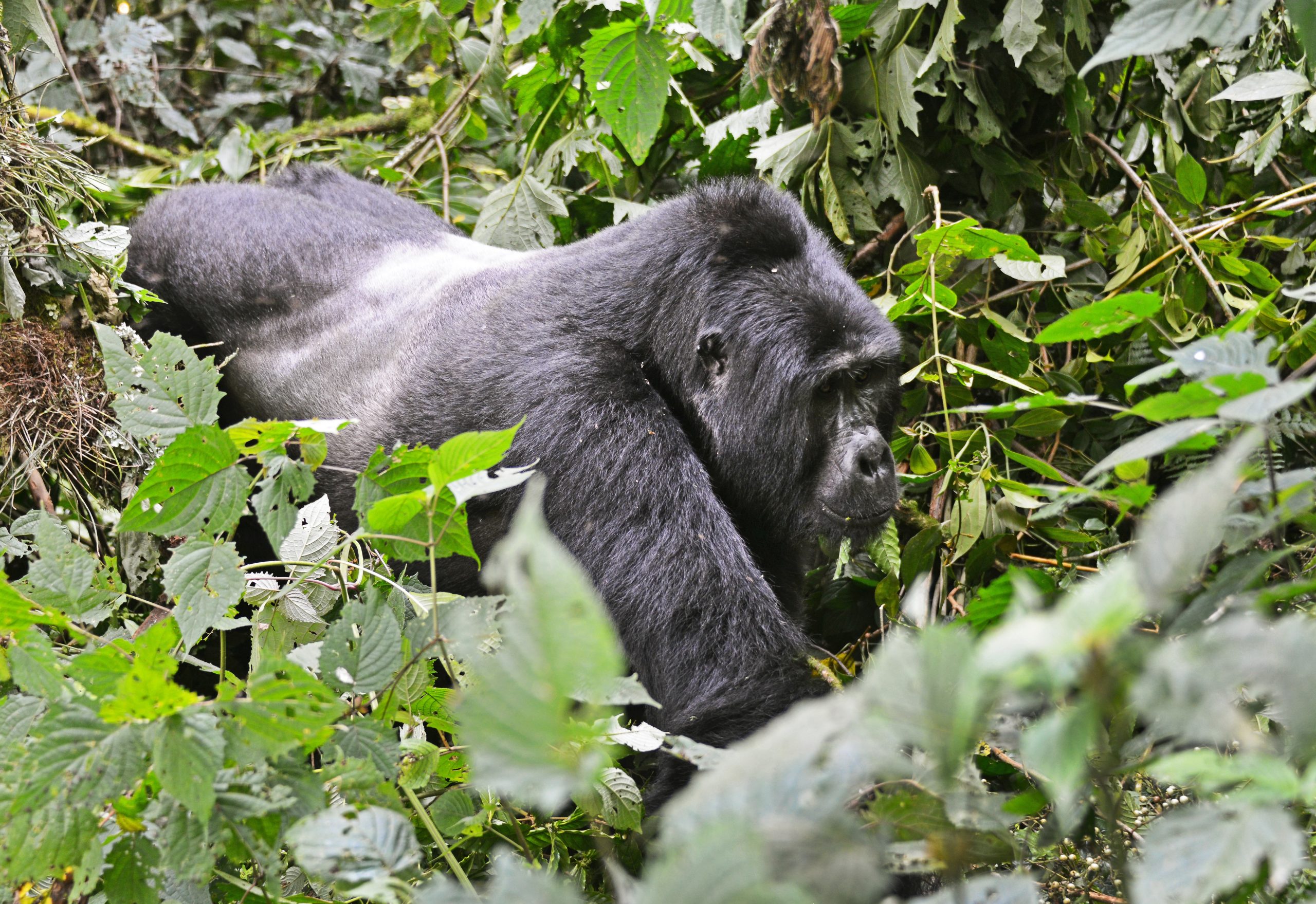
What is Gorilla or Chimpanzee Habituation Experience
What is Gorilla or Chimpanzee Habituation Experience
Gorilla and Chimpanzee Habituation Experience: A Deep Dive into Primate Encounters in the Wild
Introduction
The Gorilla and Chimpanzee Habituation Experience is one of the most profound and immersive wildlife encounters available to eco-tourists and primate enthusiasts. Unlike traditional trekking or safari experiences, habituation experiences allow you to spend extended time observing the intricate behaviors of these intelligent primates as they become accustomed to human presence. This unique adventure is not only thrilling but also contributes to vital conservation efforts.
In this comprehensive guide, we’ll explore the essence of gorilla and chimpanzee habituation, how it differs from standard trekking, the best destinations to experience it, and why it’s a must-do for wildlife lovers. We’ll also delve into the ethical and ecological implications of these encounters, ensuring you understand the full scope of this rare opportunity.
What is Primate Habituation?
Understanding the Term
Habituation is a process where wild animals gradually get used to the presence of humans without altering their natural behaviors. In the context of primates like gorillas and chimpanzees, this process can take up to two or three years and is carried out by trained researchers and conservationists.
The goal is not to domesticate or tame the animals but to allow them to behave naturally in the presence of humans. This is crucial for research, tourism, and conservation, as it enables scientists to study the animals closely and tourists to observe them without causing distress.
Gorilla Habituation Experience
Where It Happens
The Gorilla Habituation Experience is primarily offered in Uganda’s Bwindi Impenetrable National Park, a UNESCO World Heritage Site known for its dense forest and rich biodiversity. Only a few gorilla families are open for habituation experiences, making it an exclusive and limited opportunity.
What to Expect
- Duration: Up to 4 hours with the gorillas, compared to the standard 1-hour trek.
- Group Size: Limited to 4 tourists per group to minimize stress on the animals.
- Guidance: Accompanied by expert trackers, researchers, and armed rangers.
- Experience: Observe gorillas feeding, grooming, playing, and interacting in their natural habitat.
Why It’s Unique
Unlike regular gorilla trekking, where the animals are already habituated, this experience allows you to witness the process of habituation itself. You may see the gorillas reacting to human presence, displaying curiosity, or even mild apprehension. This raw, unfiltered interaction offers a deeper understanding of their social structures and behaviors.
Chimpanzee Habituation Experience
Top Locations
Chimpanzee habituation experiences are available in several locations across East Africa, including:
- Kibale National Park – Uganda’s primate capital
- Budongo Forest Reserve – Near Murchison Falls National Park
- Kalinzu Forest – A lesser-known gem for chimpanzee tracking
The Experience
- Timeframe: Full-day experience, starting early in the morning.
- Activities: Follow chimpanzees from their nests, observe their daily routines, and witness their interactions.
- Behavioral Insights: Learn about their vocalizations, tool use, and complex social hierarchies.
Chimpanzees are more active and vocal than gorillas, making the habituation experience dynamic and unpredictable. Their high intelligence and emotional depth make every encounter unique and memorable.
Differences Between Trekking and Habituation
| Feature | Trekking | Habituation |
|---|---|---|
| Duration | 1 hour with primates | Up to 4 hours (gorillas) or full day (chimpanzees) |
| Group Size | Up to 8 people | Max 4 people |
| Cost | Lower | Higher |
| Experience Level | Beginner-friendly | More immersive and intense |
| Conservation Impact | Moderate | High (supports research and conservation) |
Conservation and Ethical Considerations
Participating in a habituation experience directly supports conservation efforts. The fees collected are used for:
- Anti-poaching patrols
- Veterinary care for injured animals
- Community development projects
- Research and monitoring programs
However, it’s essential to approach these experiences responsibly:
- Maintain a safe distance from the animals
- Follow all guidelines provided by park authorities
- Avoid direct eye contact, which can be seen as a threat
- Do not eat or drink near the primates
By respecting these rules, you help ensure the safety and well-being of both the animals and the local ecosystems.
Best Time to Go
The best time for gorilla and chimpanzee habituation experiences is during the dry seasons:
- June to September
- December to February
During these months, the trails are more accessible, and the chances of successful sightings are higher. However, the experience is available year-round, and the rainy season offers lush scenery and fewer tourists.
How to Prepare for a Habituation Experience
Physical Preparation
- Engage in regular cardio and strength training
- Practice hiking on uneven terrain
- Acclimate to high altitudes if possible
Packing Essentials
- Waterproof hiking boots
- Long-sleeved shirts and trousers
- Rain jacket and hat
- Insect repellent
- Reusable water bottle
- Binoculars and camera (no flash)
Permits and Costs
- Gorilla Habituation Permit (Uganda): ~$1,500 USD
- Chimpanzee Habituation Permit: ~$250–300 USD
Permits must be booked in advance through the Uganda Wildlife Authority or a licensed tour operator.
Cultural and Community Engagement
Many habituation experiences are located near indigenous communities such as the Batwa pygmies. Participating in cultural tours, buying local crafts, and supporting community-run lodges enhances your trip and contributes to sustainable tourism.
Benefits of Habituation Experiences
For Conservation
- Supports long-term research
- Funds anti-poaching initiatives
- Promotes habitat preservation
For Local Communities
- Creates employment opportunities
- Encourages education and awareness
- Supports infrastructure development
For Tourists
- Offers a deeper, more meaningful connection with wildlife
- Provides educational insights into primate behavior
- Creates lifelong memories and transformative experiences
Frequently Asked Questions (FAQ)
1. What is the difference between gorilla trekking and gorilla habituation?
Gorilla trekking involves visiting already habituated gorilla families for a brief 1-hour encounter. In contrast, gorilla habituation allows you to spend up to 4 hours with a group still undergoing the habituation process, offering a more immersive and raw experience.
2. Is it safe to participate in a habituation experience?
Yes, it is safe when conducted under the supervision of trained guides and rangers. The animals are monitored closely, and strict safety protocols are in place to protect both visitors and primates.
3. How physically demanding is the experience?
The experience can be moderately to highly strenuous, depending on the terrain and weather. Participants should be in good physical condition and prepared for long hikes through dense forests.
4. Can children participate in habituation experiences?
Most parks require participants to be at least 15 years old for gorilla and chimpanzee habituation experiences due to safety and behavioral concerns.
5. How can I book a habituation experience?
You can book through the Uganda Wildlife Authority or reputable tour operators specializing in eco-tourism and wildlife safaris. It’s recommended to book several months in advance due to limited availability.
Conclusion
The gorilla and chimpanzee habituation experience is not just a wildlife encounter—it’s a journey into the heart of the African jungle, a lesson in empathy, and a contribution to the future of endangered species. By choosing this path, you become part of a larger mission: to understand, protect, and coexist with some of the planet’s most intelligent and vulnerable creatures.
Whether you’re a seasoned wildlife enthusiast or a curious traveler seeking a transformative adventure, this experience offers unparalleled access to the secret lives of our closest relatives in the animal kingdom. Don’t just observe—immerse, engage, and be inspired.