
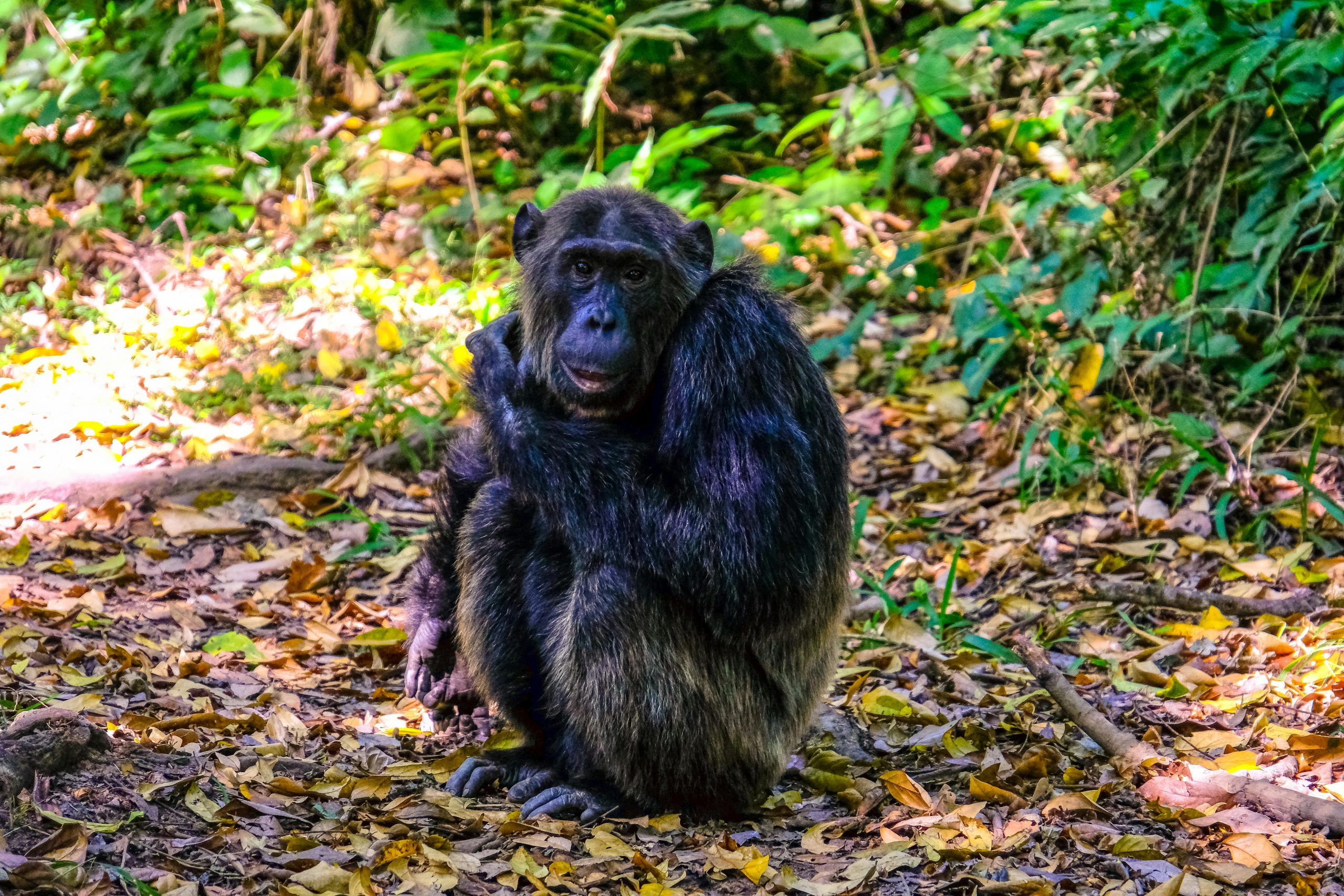
Chimpanzee Habituation Experience
Chimpanzee Habituation Experience
Chimpanzee Habituation Experience: A Complete Guide to an Unforgettable Wildlife Encounter
Introduction
The Chimpanzee Habituation Experience (CHE) is a unique and immersive adventure that allows wildlife enthusiasts to observe and interact with chimpanzees in their natural habitat. Unlike standard chimpanzee trekking, this experience provides an extended opportunity to witness the daily routines of these intelligent primates as they become accustomed to human presence.
In this comprehensive guide, we will explore everything you need to know about the Chimpanzee Habituation Experience, including:
- What chimpanzee habituation is
- The best destinations for this experience
- What to expect during the trek
- Essential tips for a successful habituation experience
- Frequently asked questions
Let’s dive into the fascinating world of chimpanzee habituation and discover why this is a must-do activity for primate lovers and adventure seekers alike.
What is Chimpanzee Habituation?
Chimpanzee habituation is the process of gradually acclimating wild chimpanzees to human presence so that researchers, conservationists, and tourists can observe them without causing distress. This process can take several years and involves daily visits by researchers who follow the chimpanzees from dawn to dusk.
Unlike traditional chimpanzee trekking, where visitors spend about an hour with the primates, the Chimpanzee Habituation Experience allows participants to spend an entire day with the chimpanzees, observing their behaviors, interactions, and social structures.
Why is Chimpanzee Habituation Important?
Chimpanzee habituation plays a crucial role in:
- Conservation efforts – By familiarizing chimpanzees with human presence, researchers can monitor their health, behavior, and population dynamics.
- Tourism development – Habituated chimpanzees attract eco-tourists, generating revenue that supports conservation initiatives.
- Scientific research – Researchers gain valuable insights into chimpanzee behavior, intelligence, and social structures.
Best Destinations for Chimpanzee Habituation Experience
Several national parks and reserves across Africa offer the Chimpanzee Habituation Experience. Below are some of the top destinations:
1. Kibale National Park, Uganda
Kibale National Park is the best place for chimpanzee habituation in Africa. It is home to the highest population of chimpanzees in Uganda, with over 1,500 individuals. The park’s dense tropical rainforest provides an ideal habitat for these primates.
- Location: Western Uganda
- Best time to visit: December to February and June to September
- Duration: Full-day experience
2. Budongo Forest Reserve, Uganda
Located within Murchison Falls National Park, Budongo Forest is another excellent location for chimpanzee habituation. The forest is home to around 800 chimpanzees and offers a rich biodiversity of flora and fauna.
- Location: Northwestern Uganda
- Best time to visit: December to March and June to October
- Duration: Full-day experience
3. Mahale Mountains National Park, Tanzania
Mahale Mountains National Park is one of the most remote and pristine locations for chimpanzee habituation. The park is situated along the shores of Lake Tanganyika, offering breathtaking scenery and a unique trekking experience.
- Location: Western Tanzania
- Best time to visit: May to October
- Duration: Full-day experience
4. Gombe Stream National Park, Tanzania
Famous for Jane Goodall’s pioneering research on chimpanzees, Gombe Stream National Park is a historic and fascinating destination for primate lovers. The park offers both chimpanzee trekking and habituation experiences.
- Location: Western Tanzania
- Best time to visit: June to October
- Duration: Full-day experience
What to Expect During the Chimpanzee Habituation Experience
The Chimpanzee Habituation Experience is an intense and rewarding adventure that requires patience, endurance, and a love for wildlife. Here’s what you can expect:
1. Early Morning Start
The experience begins early in the morning, usually around 6:00 AM, as you join researchers and guides in tracking the chimpanzees.
2. Tracking the Chimpanzees
Using fresh nests, vocalizations, and footprints, you will follow the chimpanzees through the forest. The trek can take anywhere from 30 minutes to several hours, depending on their location.
3. Observing Chimpanzee Behavior
Once you locate the chimpanzees, you will observe their daily activities, including:
- Feeding – Watching them forage for fruits, leaves, and insects.
- Grooming – Witnessing their social bonding rituals.
- Playing – Observing young chimpanzees engage in playful interactions.
- Hunting – Occasionally, chimpanzees hunt small mammals for food.
4. Learning from Researchers
Throughout the experience, researchers and guides will provide insights into chimpanzee behavior, social structures, and conservation efforts.
5. Full-Day Adventure
Unlike regular chimpanzee trekking, which lasts about an hour, the Chimpanzee Habituation Experience allows you to spend an entire day following and observing the primates.
Essential Tips for a Successful Chimpanzee Habituation Experience
To make the most of your Chimpanzee Habituation Experience, consider these essential tips:
1. Wear Appropriate Clothing
- Long-sleeved shirts and pants to protect against insect bites.
- Sturdy hiking boots for navigating rough terrain.
- A rain jacket, as tropical forests can be unpredictable.
2. Pack Essential Gear
- Binoculars for better viewing.
- A camera with a zoom lens for capturing the experience.
- A backpack with water, snacks, and sunscreen.
3. Follow Ethical Guidelines
- Maintain a safe distance from the chimpanzees.
- Avoid direct eye contact, as it can be perceived as a threat.
- Do not feed or touch the chimpanzees.
4. Be Physically Prepared
The trek can be physically demanding, so ensure you are in good shape before embarking on the experience.
5. Book in Advance
Chimpanzee habituation permits are limited, so it’s advisable to book your experience well in advance through a reputable tour operator.
Frequently Asked Questions (FAQ)
1. What is the difference between chimpanzee trekking and chimpanzee habituation?
Chimpanzee trekking allows visitors to spend about one hour with the primates, while chimpanzee habituation provides a full-day experience, allowing for extended observation and interaction.
2. How much does a chimpanzee habituation permit cost?
The cost varies by location:
- Kibale National Park, Uganda: $300 per person
- Budongo Forest, Uganda: $230 per person
- Tanzania parks: Prices vary depending on the tour operator
3. Is the chimpanzee habituation experience safe?
Yes, it is safe as long as you follow the guidelines provided by the guides and researchers. The chimpanzees are accustomed to human presence but should always be respected as wild animals.
4. What is the best time of year for chimpanzee habituation?
The best time is during the dry seasons (December to February and June to September), as the trails are more accessible and chimpanzees are easier to track.
5. Can children participate in the chimpanzee habituation experience?
Most parks have a minimum age requirement of 15 years for chimpanzee habituation due to the physical demands and safety considerations.
Conclusion
The Chimpanzee Habituation Experience is an extraordinary adventure that offers a deeper understanding of chimpanzee behavior and conservation efforts. Whether you choose Kibale National Park, Budongo Forest, or Mahale Mountains, this experience will leave you with unforgettable memories and a newfound appreciation for these incredible primates.
If you’re a wildlife enthusiast or an adventure seeker, don’t miss the chance to embark on this once-in-a-lifetime journey into the world of chimpanzees!
Would you like help planning your Chimpanzee Habituation Experience?