
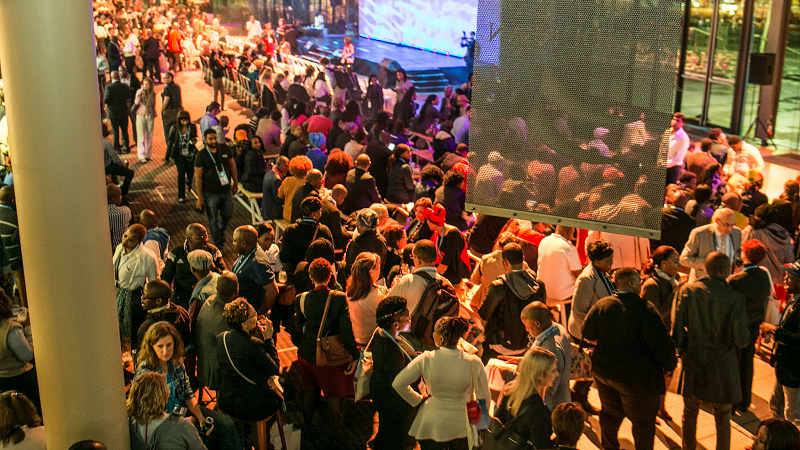
Tourism Industry Show
Tourism Industry Show
The Tourism Industry Show: A Deep Dive into Global Travel Trends and Innovations
Introduction
The global tourism industry is a dynamic and ever-evolving sector that plays a vital role in the economic development of nations. With millions of people traveling across borders every year, the tourism industry show has become a pivotal event that showcases the latest trends, technologies, and strategies shaping the future of travel. This comprehensive guide explores the significance of tourism expos, the innovations they present, and how they influence the global travel landscape.
What Is a Tourism Industry Show?
A tourism industry show, often referred to as a travel expo or tourism trade fair, is a large-scale event where stakeholders from across the travel and hospitality sectors gather to network, exchange ideas, and showcase their offerings. These events are attended by:
- Travel agencies
- Tour operators
- Airlines
- Hotel chains
- Destination marketing organizations (DMOs)
- Technology providers
- Government tourism boards
The primary goal of these shows is to foster collaboration, unveil new products, and promote destinations to both trade professionals and the public.
The Global Impact of Tourism Trade Shows
Tourism industry shows like ITB Berlin, World Travel Market (WTM) London, and FITUR Madrid are not just exhibitions—they are economic powerhouses. These events:
- Generate billions in business deals
- Attract hundreds of thousands of visitors
- Influence travel trends for the coming year
- Serve as platforms for policy discussions and sustainable tourism initiatives
Key Features of a Modern Tourism Industry Show
1. Destination Showcases
Countries and regions create immersive booths to highlight their unique attractions, culture, and experiences. These exhibits often include:
- Virtual reality tours
- Cultural performances
- Local cuisine tastings
- Interactive maps and itineraries
2. B2B Networking Opportunities
Tourism expos are a goldmine for business-to-business (B2B) interactions. Attendees can:
- Schedule meetings with potential partners
- Attend matchmaking sessions
- Participate in industry roundtables
3. Innovation and Technology Zones
With the rise of travel technology, tourism shows now dedicate entire sections to digital innovation. These zones feature:
- AI-powered booking platforms
- Smart tourism apps
- Virtual and augmented reality experiences
- Blockchain solutions for secure travel transactions
4. Educational Seminars and Workshops
Knowledge sharing is a cornerstone of these events. Experts deliver talks on:
- Sustainable tourism practices
- Post-pandemic recovery strategies
- Digital marketing for travel brands
- Data-driven decision-making in tourism
Emerging Trends Highlighted at Tourism Shows
1. Sustainable and Responsible Travel
Sustainability is no longer a niche—it’s a necessity. Tourism shows emphasize:
- Eco-friendly accommodations
- Carbon offset programs
- Community-based tourism
- Wildlife conservation initiatives
2. Experiential and Transformational Travel
Travelers are seeking more than just sightseeing. The focus is on:
- Authentic cultural immersion
- Wellness retreats
- Voluntourism
- Spiritual journeys
3. Personalization Through Data
Thanks to big data and AI, travel experiences are becoming hyper-personalized. Exhibitors showcase:
- Tailored itineraries based on user behavior
- Predictive analytics for travel preferences
- Chatbots for real-time customer support
4. Rise of Bleisure Travel
The blending of business and leisure travel, or “bleisure,” is gaining traction. Tourism shows present:
- Work-friendly accommodations
- Extended stay packages
- Hybrid event venues
The Role of Tourism Shows in Destination Marketing
Destination marketing organizations (DMOs) leverage these events to:
- Launch new tourism campaigns
- Build relationships with international tour operators
- Conduct market research
- Gain media exposure
By participating in tourism expos, destinations can significantly boost their visibility and attract new demographics.
How Tourism Shows Benefit Industry Stakeholders
For Travel Agents and Tour Operators
- Discover new products and destinations
- Forge partnerships with suppliers
- Stay updated on industry trends
For Hoteliers
- Showcase hospitality innovations
- Network with travel distributors
- Learn about guest experience technologies
For Airlines
- Promote new routes and services
- Collaborate with tourism boards
- Explore ancillary revenue opportunities
For Technology Providers
- Demonstrate cutting-edge solutions
- Gain feedback from end-users
- Identify market gaps
Case Studies: Leading Tourism Shows Around the World
ITB Berlin
- Over 10,000 exhibitors from 180+ countries
- Hosts the ITB Convention, a leading think tank for the travel industry
- Focuses on innovation, sustainability, and digital transformation
World Travel Market (WTM) London
- Attracts 50,000+ participants annually
- Features the WTM Responsible Tourism Awards
- Offers a robust B2B networking platform
Arabian Travel Market (ATM) Dubai
- Premier event for inbound and outbound tourism in the Middle East
- Highlights luxury travel, halal tourism, and smart travel solutions
FITUR Madrid
- One of the largest tourism fairs in Spain
- Strong focus on Latin American markets
- Includes FITURTECHY for tourism innovation
How to Prepare for a Tourism Industry Show
Before the Event
- Define your objectives (e.g., lead generation, brand awareness)
- Research attendees and exhibitors
- Schedule meetings in advance
- Prepare marketing materials and digital assets
During the Event
- Engage actively with visitors
- Attend seminars and workshops
- Network during social events
- Monitor competitor activities
After the Event
- Follow up with leads promptly
- Analyze ROI and performance metrics
- Share your experience on social media
- Incorporate feedback into future strategies
The Future of Tourism Industry Shows
As the world becomes more interconnected, tourism expos will continue to evolve. Key developments include:
- Hybrid events combining physical and virtual participation
- Greater emphasis on sustainability and inclusivity
- Enhanced use of data analytics for event personalization
- Integration of immersive technologies for better engagement
Frequently Asked Questions (FAQ)
1. What is the purpose of a tourism industry show?
A tourism industry show serves as a platform for stakeholders to network, showcase products, and discuss trends in the travel sector. It helps promote destinations, foster partnerships, and drive innovation.
2. Who should attend a tourism trade fair?
Anyone involved in the travel and hospitality industry, including travel agents, hoteliers, tourism boards, technology providers, and media professionals, can benefit from attending.
3. How do tourism expos promote sustainable travel?
By featuring eco-conscious exhibitors, hosting sustainability-focused seminars, and encouraging green practices, tourism shows play a crucial role in promoting responsible travel.
4. What are some of the top global tourism shows?
Leading events include ITB Berlin, WTM London, FITUR Madrid, and ATM Dubai.
5. How can I prepare for a tourism industry show?
To prepare effectively, set clear goals, research attendees, schedule meetings, design an engaging booth, and plan follow-up strategies post-event.
Conclusion
The tourism industry show is more than just an exhibition—it’s a catalyst for growth, innovation, and collaboration in the global travel ecosystem. As the world reopens and travel resumes, these events will play a pivotal role in shaping the future of tourism. Whether you’re a seasoned professional or a newcomer, participating in these expos can unlock new opportunities and elevate your brand on the international stage.