
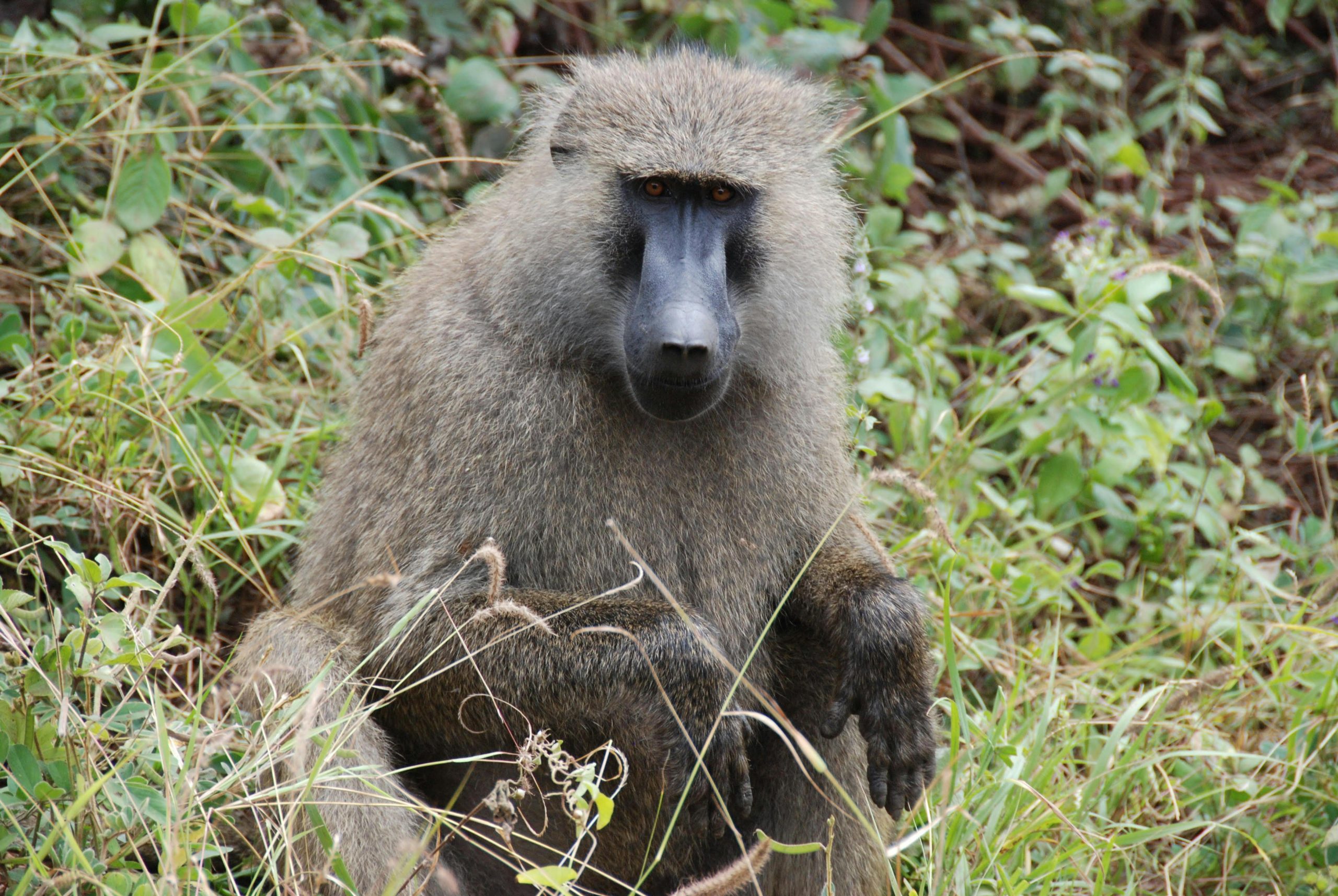
Planning a Safari in Rwanda
Planning a Safari in Rwanda
The Ultimate Guide to Planning a Safari in Rwanda: Discover the Land of a Thousand Hills
Introduction
Rwanda, often referred to as the “Land of a Thousand Hills,” is a captivating destination that offers a unique blend of breathtaking landscapes, rich biodiversity, and a deeply moving cultural heritage. Nestled in the heart of East Africa, this small yet vibrant country has rapidly emerged as one of the top safari destinations on the continent. Whether you’re dreaming of encountering majestic mountain gorillas, exploring lush rainforests, or witnessing the Big Five in their natural habitat, planning a safari in Rwanda promises an unforgettable adventure.
This comprehensive guide will walk you through every step of organizing your Rwandan safari—from choosing the best time to visit, selecting the right national parks, booking permits, to understanding local customs.
Why Choose Rwanda for Your Safari?
Rwanda is not just another safari destination; it’s a sanctuary of rare wildlife, pristine ecosystems, and heart-stirring experiences. Here’s why Rwanda stands out:
- Home to Mountain Gorillas: Rwanda is one of the few places on Earth where you can see mountain gorillas in the wild.
- Compact and Accessible: Unlike larger African countries, Rwanda’s top safari destinations are within a few hours’ drive from the capital, Kigali.
- Conservation Success Story: Rwanda has become a model for conservation and sustainable tourism.
- Safe and Clean: Known for its safety, cleanliness, and welcoming locals, Rwanda offers a secure and pleasant travel experience.
Best Time to Visit Rwanda for a Safari
Rwanda enjoys a temperate tropical highland climate with two main seasons:
Dry Seasons (Best for Safaris):
- Mid-December to February
- June to September
These months offer the best conditions for wildlife viewing, especially for gorilla trekking in Volcanoes National Park.
Wet Seasons:
- March to May
- October to mid-December
Although trails can be muddy, the wet season brings lush scenery and fewer tourists, ideal for photographers and budget travelers.
Top Safari Destinations in Rwanda
1. Volcanoes National Park
Home to the endangered mountain gorillas, Volcanoes National Park is Rwanda’s crown jewel.
Highlights:
- Gorilla trekking
- Golden monkey tracking
- Dian Fossey’s tomb hike
- Scenic volcanic landscapes
Permit Tip: Gorilla trekking permits cost $1,500 per person. Book well in advance through the Rwanda Development Board (RDB).
2. Akagera National Park
Located in eastern Rwanda, Akagera National Park is a classic savannah park teeming with wildlife.
Wildlife to Spot:
- Lions
- Elephants
- Rhinos
- Giraffes
- Hippos and crocodiles
Activities:
- Game drives
- Boat safaris on Lake Ihema
- Birdwatching (over 500 species)
3. Nyungwe Forest National Park
A biodiversity hotspot, Nyungwe Forest is ideal for primate lovers and nature enthusiasts.
Top Experiences:
- Chimpanzee trekking
- Canopy walk
- Colobus monkey tracking
- Waterfall hikes
How to Plan Your Rwanda Safari Step-by-Step
Step 1: Define Your Safari Goals
Ask yourself:
- Do you want to see gorillas, the Big Five, or both?
- Are you interested in luxury or budget travel?
- How many days can you spend?
Step 2: Choose Your Parks and Activities
Mix and match based on your interests:
- Gorilla trekking in Volcanoes NP
- Wildlife drives in Akagera
- Forest hikes in Nyungwe
Step 3: Book Permits and Accommodations
- Gorilla Permits: Book through RDB or a licensed tour operator.
- Accommodations: Options range from luxury lodges like Bisate Lodge to budget guesthouses.
Step 4: Arrange Transportation
- Self-drive: Possible but challenging due to terrain.
- Private Safari Vehicle: Most convenient and comfortable.
- Domestic Flights: Available but limited.
Step 5: Pack Smart
Essentials:
- Waterproof hiking boots
- Lightweight, neutral-colored clothing
- Binoculars
- Insect repellent
- Travel insurance
Top Safari Lodges and Camps in Rwanda
Luxury Options:
- One&Only Gorilla’s Nest
- Magashi Camp in Akagera
- Nyungwe House
Mid-Range:
- Sabyinyo Silverback Lodge
- Ruzizi Tented Lodge
- Chimpanzee Lodge
Budget-Friendly:
- Kinigi Guest House
- Akagera Rhino Lodge
- Gisakura Guest House
Cultural Experiences to Enrich Your Safari
Rwanda’s cultural heritage is as compelling as its wildlife. Don’t miss:
- Kigali Genocide Memorial: A sobering but essential visit.
- Iby’Iwacu Cultural Village: Experience traditional Rwandan life.
- Local Markets: Shop for crafts in Kimironko Market.
- Coffee and Tea Tours: Visit plantations near Nyungwe.
Sustainable Tourism and Conservation in Rwanda
Rwanda is a global leader in sustainable tourism. Here’s how your visit helps:
- Revenue Sharing: 10% of park fees go to local communities.
- Anti-Poaching Efforts: Strong enforcement and community involvement.
- Eco-Lodges: Many lodges use solar power and support local artisans.
Support organizations like African Parks and Dian Fossey Gorilla Fund to contribute further.
Sample 7-Day Safari Itinerary in Rwanda
| Day | Destination | Activity |
|---|---|---|
| 1 | Kigali | Arrival, city tour |
| 2 | Volcanoes NP | Transfer, cultural visit |
| 3 | Volcanoes NP | Gorilla trekking |
| 4 | Nyungwe NP | Drive via Lake Kivu |
| 5 | Nyungwe NP | Chimpanzee tracking |
| 6 | Akagera NP | Transfer, evening game drive |
| 7 | Akagera NP | Morning safari, return to Kigali |
Travel Tips for a Seamless Safari
- Visa: Most nationalities can get a visa on arrival or apply online.
- Currency: Rwandan Franc (RWF); credit cards accepted in major hotels.
- Language: English, French, and Kinyarwanda are widely spoken.
- Health: Yellow fever vaccination required; malaria prophylaxis recommended.
- Connectivity: SIM cards available; Wi-Fi in most lodges.
Frequently Asked Questions (FAQ)
1. Is Rwanda safe for tourists?
Yes. Rwanda is one of the safest countries in Africa, with low crime rates and a strong police presence. The capital, Kigali, is known for its cleanliness and order.
2. How difficult is gorilla trekking?
Gorilla trekking can be physically demanding due to steep terrain and high altitudes. However, porters are available to assist, and treks are tailored to fitness levels.
3. What is the cost of a safari in Rwanda?
Prices vary:
- Budget: $200–$400/day
- Mid-range: $400–$800/day
- Luxury: $800–$2,000+/day
Gorilla permits are $1,500 and are the biggest single expense.
4. Can I combine Rwanda with other countries?
Absolutely. Rwanda pairs well with:
- Uganda: For more gorilla and chimpanzee trekking
- Kenya or Tanzania: For classic Big Five safaris and the Great Migration
5. What should I wear on safari?
- Neutral colors (khaki, olive)
- Long sleeves and pants for protection
- Waterproof jacket
- Comfortable hiking shoes
- Hat and sunglasses
Final Thoughts
Planning a safari in Rwanda is more than just a vacation—it’s a journey into the heart of Africa’s most inspiring conservation success story. From the misty mountains of Volcanoes National Park to the golden savannahs of Akagera and the ancient rainforests of Nyungwe, Rwanda offers a safari experience that is intimate, ethical, and exhilarating.
Whether you’re a first-time visitor or a seasoned explorer, Rwanda will leave an indelible mark on your soul. Start planning today, and prepare for a transformative adventure in one of the world’s most remarkable destinations.