
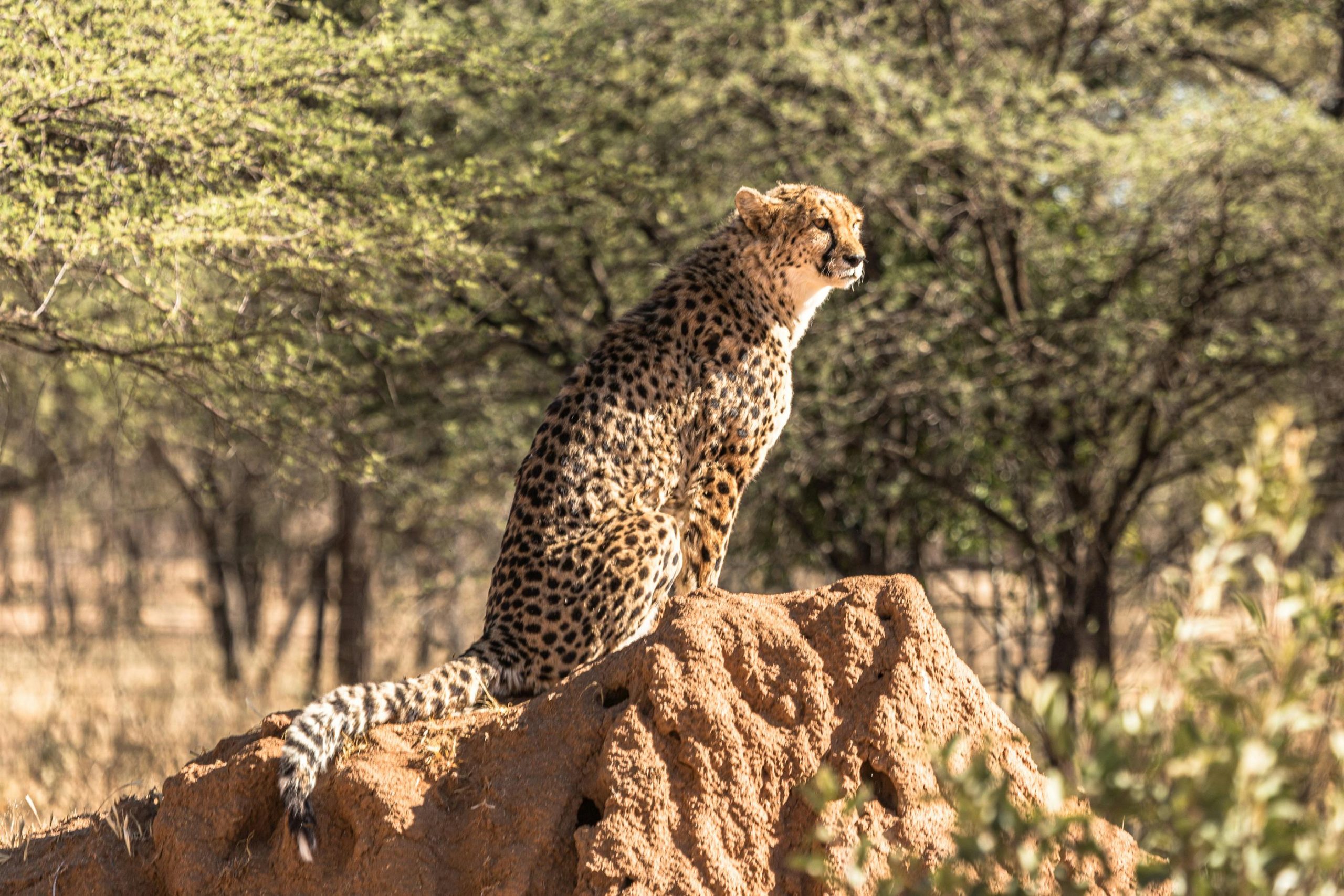
Best Time to Visit Kenya
Best Time to Visit Kenya
Best Time to Visit Kenya: A Complete Guide for Every Traveler
Kenya, a jewel of East Africa, is a destination that captivates the soul with its untamed wilderness, vibrant cultures, and breathtaking landscapes. Whether you’re drawn by the call of the wild on a safari, the allure of pristine beaches along the Indian Ocean, or the rich tapestry of local traditions, timing your trip right can make all the difference. In this comprehensive guide, we’ll explore the best time to visit Kenya based on weather patterns, wildlife migrations, cultural festivals, and travel preferences, ensuring your journey is nothing short of extraordinary.
Understanding Kenya’s Climate
Kenya’s climate varies significantly due to its diverse geography. From the coastal humidity to the temperate highlands and arid northern regions, each area offers a unique experience.
Key Climatic Zones:
- Coastal Region: Hot and humid year-round with temperatures averaging 27–31°C (80–88°F).
- Central Highlands (e.g., Nairobi): Mild and temperate with cooler nights.
- Northern Kenya: Arid and semi-arid with extreme temperatures.
- Western Kenya: Tropical climate with heavier rainfall.
Kenya experiences two main rainy seasons:
- Long Rains: March to May
- Short Rains: Late October to December
Dry seasons, which are ideal for travel, typically run from June to October and January to February.
Best Time to Visit Kenya for Safari Adventures
June to October – The Prime Safari Season
This is widely regarded as the best period for a Kenya safari, especially in iconic parks like the Maasai Mara, Amboseli, and Tsavo.
Why This Time Is Ideal:
- Dry weather means animals congregate around waterholes, making them easier to spot.
- The Great Migration occurs between July and October in the Maasai Mara, where over 1.5 million wildebeest and zebras cross from Tanzania’s Serengeti.
- Clear skies and minimal vegetation improve visibility for photography.
January to February – A Quieter Yet Rewarding Option
This short dry season is also excellent for wildlife viewing. Parks are less crowded, and the weather remains favorable.
When to Visit Kenya for Beach Holidays
Kenya’s coastline, stretching from Mombasa to Lamu, boasts some of the most stunning beaches in Africa.
Best Months: December to March
- Warm, sunny days perfect for sunbathing and water sports.
- Low rainfall ensures uninterrupted beach relaxation.
- Ideal for exploring marine parks like Watamu and Diani Beach.
Cultural Festivals and Events
Kenya’s rich cultural heritage is celebrated through numerous festivals, offering a deep dive into its traditions and communities.
Notable Events:
- Lamu Cultural Festival (November): A celebration of Swahili culture with poetry, dhow races, and traditional dances.
- Lake Turkana Festival (May): Showcasing the unique customs of northern Kenya’s tribes.
- Maulidi Festival (Varies): Held in Lamu, this Islamic celebration features processions, music, and religious devotion.
To experience these events, plan your visit around the festival dates, keeping in mind regional weather conditions.
Birdwatching in Kenya
Kenya is a birdwatcher’s paradise, home to over 1,100 bird species.
Best Time: November to April
- Migratory birds arrive from Europe and Asia.
- Breeding season for many native species, showcasing vibrant plumage.
- Top spots include Lake Nakuru, Kakamega Forest, and Arabuko Sokoke Forest.
Mount Kenya Trekking
For adventure seekers, Mount Kenya offers a thrilling climb to Africa’s second-highest peak.
Ideal Months: January to March and July to October
- Dry conditions make trekking safer and more enjoyable.
- Clear skies offer panoramic views of the surrounding landscapes.
Month-by-Month Travel Breakdown
January – Dry and Sunny
- Great for safaris and beach holidays.
- Excellent visibility for wildlife photography.
February – Warm and Dry
- Ideal for climbing Mount Kenya.
- Fewer tourists in national parks.
March – Start of Long Rains
- Lush landscapes but muddy trails.
- Not ideal for safaris, but good for budget travelers.
April – Peak of Long Rains
- Heavy rainfall; many lodges close.
- Best avoided unless visiting for specific purposes.
May – End of Long Rains
- Green scenery and fewer crowds.
- Lake Turkana Festival takes place.
June – Dry Season Begins
- Excellent for safaris.
- Cooler temperatures in highlands.
July – Great Migration Begins
- Peak safari season.
- Book accommodations early.
August – Prime Wildlife Viewing
- Migration in full swing.
- Popular with international tourists.
September – Still Excellent for Safaris
- Migration continues.
- Clear skies and cool nights.
October – Short Rains Begin
- Early part of the month still good for travel.
- Fewer tourists.
November – Cultural Festivals
- Lamu Cultural Festival.
- Short rains, but manageable.
December – Festive Season
- Popular for beach holidays.
- Book early due to holiday demand.
Travel Tips for Visiting Kenya
Health and Safety
- Vaccinations: Yellow fever, typhoid, hepatitis A & B, and malaria prophylaxis.
- Travel insurance is highly recommended.
- Avoid tap water; opt for bottled or filtered water.
Packing Essentials
- Light, breathable clothing for the day.
- Warm layers for cool mornings and evenings.
- Binoculars and a good camera for safaris.
- Sunscreen, insect repellent, and a wide-brimmed hat.
Visa and Entry Requirements
- Most travelers require a Kenya eVisa.
- Valid passport with at least six months’ validity.
Sustainable Travel in Kenya
Support eco-tourism by:
- Choosing lodges and camps that follow sustainable practices.
- Respecting local cultures and wildlife.
- Participating in community-based tourism initiatives.
Frequently Asked Questions (FAQ)
1. What is the best time to see the Great Migration in Kenya?
The best time is from July to October, when the wildebeest cross into the Maasai Mara from the Serengeti. This period offers dramatic river crossings and predator action.
2. Is it safe to travel to Kenya?
Yes, most tourist areas are safe. Stick to well-known destinations, use reputable tour operators, and stay informed through travel advisories.
3. Can I visit Kenya during the rainy season?
Yes, but expect muddy roads and limited accessibility in some parks. However, it’s a great time for birdwatching and enjoying lush landscapes at lower prices.
4. When is the cheapest time to travel to Kenya?
April and May offer the lowest prices due to the long rains. Fewer tourists mean better deals on accommodation and tours.
5. What should I wear on safari in Kenya?
Opt for neutral-colored clothing, long sleeves for sun and insect protection, and comfortable walking shoes. Avoid bright colors that may disturb wildlife.
Final Thoughts
Kenya is a land of contrasts and wonders, offering something magical in every season. Whether you’re chasing the thunder of hooves across the plains, lounging on sun-kissed beaches, or immersing yourself in vibrant traditions, the key lies in choosing the right time to go. By aligning your interests with Kenya’s seasonal offerings, you’ll unlock an unforgettable adventure crafted by nature, culture, and time.