
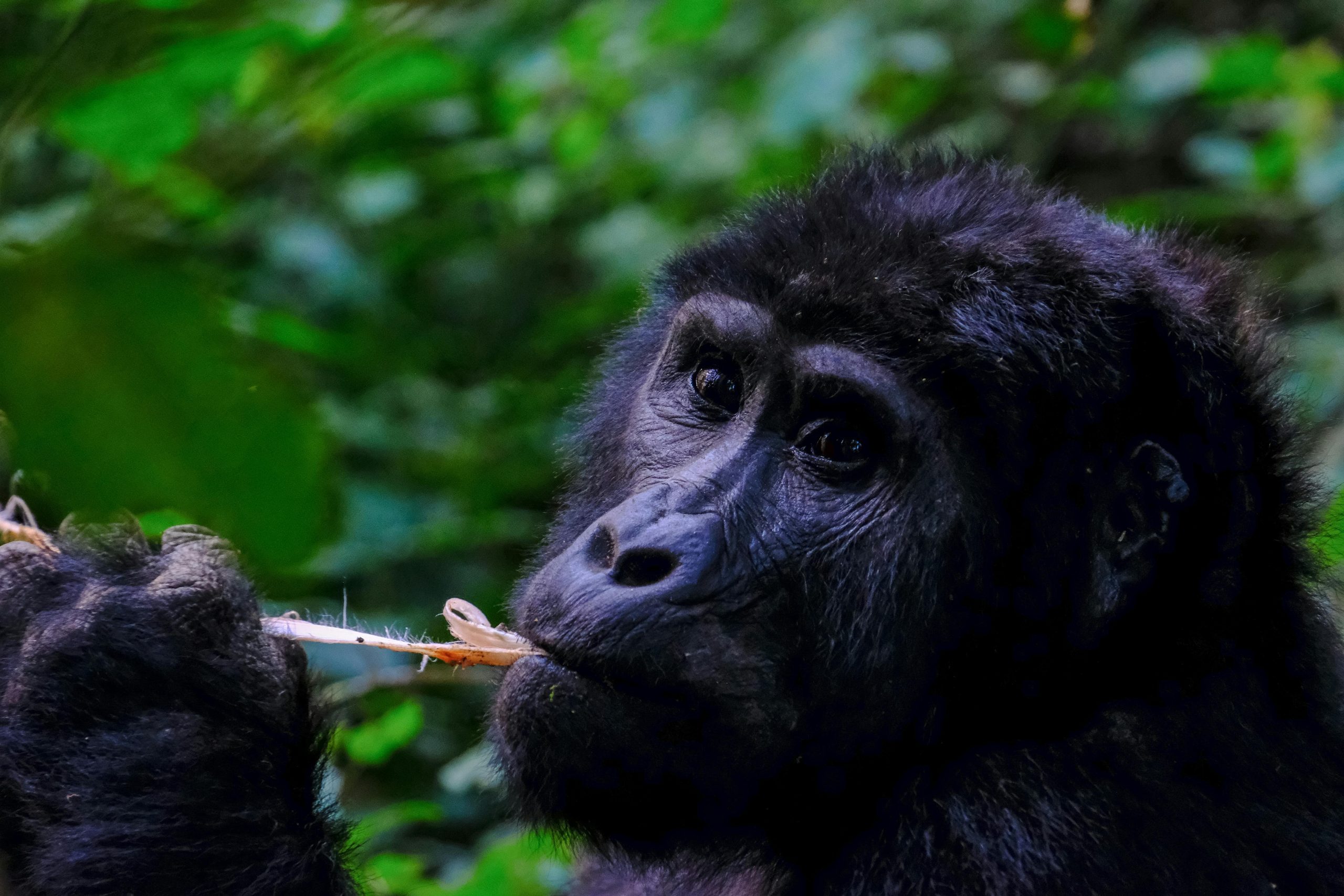
Where to See Mountain Gorillas
Where to See Mountain Gorillas
Where to See Mountain Gorillas: The Ultimate Guide to Gorilla Trekking in Africa
Introduction
Observing mountain gorillas in their natural habitat is one of the most profound wildlife experiences on Earth. These majestic primates, found only in a few remote regions of Africa, are critically endangered and protected through rigorous conservation efforts. If you’re an adventurous traveler or a wildlife enthusiast, witnessing these gentle giants up close is a once-in-a-lifetime opportunity.
In this comprehensive guide, we’ll explore the top destinations where you can see mountain gorillas, how to prepare for a gorilla trek, permit costs, the best time to visit, and essential travel tips. Whether you’re planning a luxury safari or a budget-friendly expedition, this article will help you navigate the thrilling world of gorilla trekking.
Where Do Mountain Gorillas Live?
Mountain gorillas are a subspecies of the eastern gorilla and are found in only three countries:
These gorillas inhabit the dense, misty forests of the Virunga Mountains and the Bwindi Impenetrable Forest, regions known for their rich biodiversity and dramatic landscapes.
Top Destinations to See Mountain Gorillas
1. Bwindi Impenetrable National Park, Uganda
Bwindi is arguably the most popular destination for gorilla trekking. Home to nearly half of the world’s mountain gorilla population, this UNESCO World Heritage Site offers a deeply immersive jungle experience.
Highlights:
- Over 20 habituated gorilla families
- Lush rainforest with over 160 tree species
- Opportunities for birdwatching and cultural tours
Access Points:
- Buhoma
- Ruhija
- Rushaga
- Nkuringo
Permit Cost:
Approximately $800 USD per person (subject to change)
2. Volcanoes National Park, Rwanda
Located in the northwestern part of Rwanda, Volcanoes National Park is famous for its accessibility and well-organized treks. It was also the base for the legendary primatologist Dian Fossey.
Highlights:
- Home to 12 habituated gorilla families
- Easier treks compared to Uganda
- Stunning views of volcanic peaks
Permit Cost:
$1,500 USD per person
Best For:
Luxury travelers and those with limited time
3. Virunga National Park, Democratic Republic of Congo
Virunga is Africa’s oldest national park and offers a raw, adventurous gorilla trekking experience. Despite political instability, it remains a favorite among seasoned travelers.
Highlights:
- Fewer tourists, more intimate encounters
- Opportunity to hike Mount Nyiragongo, an active volcano
- Budget-friendly permits
Permit Cost:
Around $400 USD per person
Travel Advisory:
Check current safety conditions before planning your visit.
Best Time to See Mountain Gorillas
The best time to go gorilla trekking is during the dry seasons:
- June to September
- December to February
During these months, trails are less muddy, and visibility is better. However, gorilla trekking is possible year-round, and permits are often more available during the rainy season.
How to Prepare for a Gorilla Trek
Physical Preparation
Trekking to see mountain gorillas can be physically demanding. Trails are steep, muddy, and at high altitudes.
Tips:
- Start a fitness regimen at least a month before your trip
- Practice hiking with a backpack
- Acclimate to altitude if possible
Packing Essentials
- Waterproof hiking boots
- Long-sleeved shirts and trousers
- Rain jacket
- Gloves (for grabbing vegetation)
- Insect repellent
- Reusable water bottle
- Energy snacks
- Camera with zoom lens (no flash)
Health and Safety
- Yellow fever vaccination (required)
- Malaria prophylaxis
- Travel insurance covering medical evacuation
Gorilla Trekking Permits: What You Need to Know
Permits are mandatory and must be booked in advance due to limited availability. Each permit allows one hour with a gorilla family.
How to Book
- Through national park authorities
- Via licensed tour operators
- As part of a safari package
Permit Prices Summary
| Country | Park | Permit Cost |
|---|---|---|
| Uganda | Bwindi / Mgahinga | $800 USD |
| Rwanda | Volcanoes | $1,500 USD |
| DRC | Virunga | $400 USD |
Responsible Gorilla Trekking
Mountain gorillas share 98% of their DNA with humans, making them susceptible to human diseases. Conservation is crucial.
Guidelines for Responsible Trekking
- Maintain a 7-meter distance
- Do not trek if you’re ill
- Follow your guide’s instructions
- Do not use flash photography
- Avoid direct eye contact
Support Conservation
- Choose eco-friendly lodges
- Donate to gorilla conservation programs
- Respect local communities
Support the Dian Fossey Gorilla Fund
Cultural Experiences Around Gorilla Trekking
Enhance your trip by engaging with local cultures:
- Visit Batwa pygmy communities in Uganda
- Explore Rwandan genocide memorials
- Tour Congolese artisan markets
These experiences add depth to your journey and support local economies.
Accommodation Options
Whether you’re seeking luxury or budget stays, there’s something for everyone.
Uganda
- Luxury: Clouds Mountain Gorilla Lodge
- Mid-range: Gorilla Safari Lodge
- Budget: Bwindi Backpackers Lodge
Rwanda
- Luxury: Bisate Lodge
- Mid-range: Five Volcanoes Boutique Hotel
- Budget: Kinigi Guesthouse
DRC
- Luxury: Mikeno Lodge
- Budget: Bukima Tented Camp
Combining Gorilla Trekking with Other Safaris
Why not extend your adventure?
Uganda
- Queen Elizabeth National Park (tree-climbing lions)
- Murchison Falls (Nile River safaris)
Rwanda
- Akagera National Park (Big Five safaris)
- Nyungwe Forest (chimpanzee tracking)
DRC
- Mount Nyiragongo hike
- Tchegera Island (Lake Kivu relaxation)
Travel Tips for First-Time Trekkers
- Book permits 6–12 months in advance
- Carry cash for tips and local purchases
- Hire a porter to ease your trek and support locals
- Respect wildlife and forest rules
- Stay hydrated and pace yourself
Frequently Asked Questions (FAQ)
1. How close can I get to the gorillas?
You must maintain a minimum distance of 7 meters to protect the gorillas from human diseases. However, gorillas may approach you out of curiosity—stay calm and follow your guide’s instructions.
2. Is gorilla trekking safe?
Yes, it is generally safe. Treks are led by experienced guides and trackers. However, always check travel advisories, especially for the DRC.
3. Can children go gorilla trekking?
Most parks require trekkers to be at least 15 years old. This is for safety and to ensure participants can handle the physical demands.
4. What happens if I don’t see any gorillas?
While sightings are not 100% guaranteed, the success rate is over 95%. Rangers track gorilla movements daily to ensure the best chance of an encounter.
5. Is it ethical to visit mountain gorillas?
Yes—when done responsibly. Permit fees fund conservation and community development. Choose operators who follow eco-tourism best practices.
Conclusion
Seeing mountain gorillas in the wild is an awe-inspiring experience that connects you with nature in a profound way. Whether you choose the misty jungles of Bwindi, the volcanic slopes of Rwanda, or the untamed wilderness of the DRC, your journey will be unforgettable.
By planning carefully, respecting wildlife, and supporting conservation, you can ensure that this magical encounter benefits both gorillas and the communities that protect them.